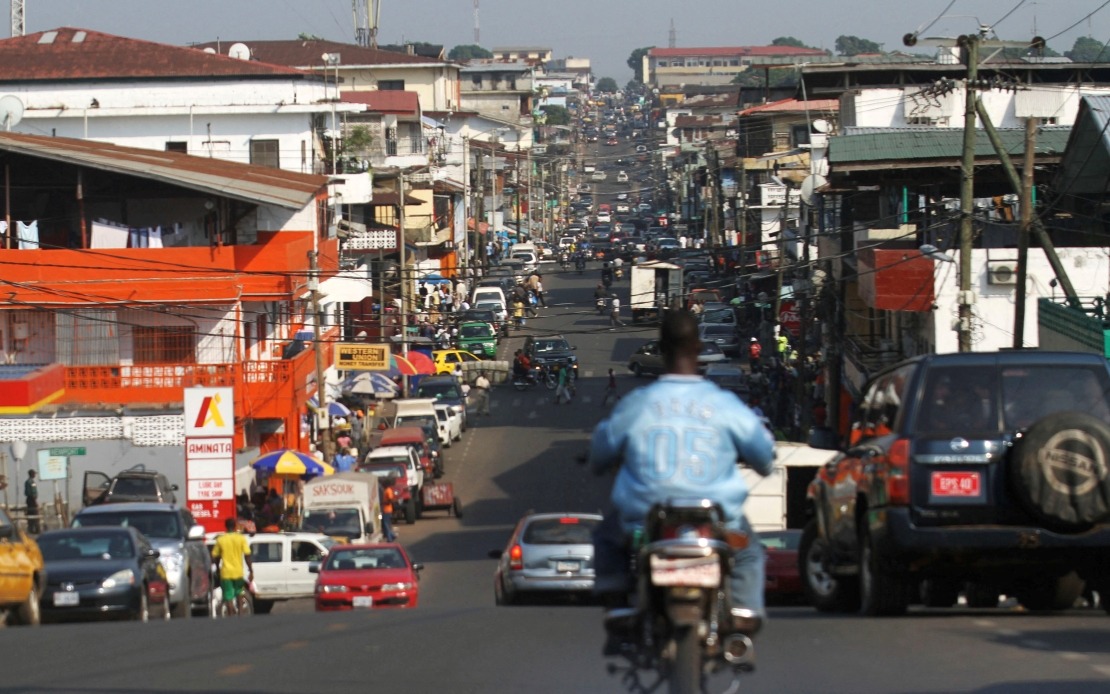
Liberia is poised to become a destination for third-country nationals deported by the United States under a bilateral arrangement forged in 2023. The West African nation expects to receive an initial cohort of 20 individuals at Roberts International Airport in Monrovia on Thursday, marking the commencement of what will ultimately transfer 1,200 deportees from American custody to Liberian territory. Government officials will formally receive the arrivals, underscoring the diplomatic significance of this migration initiative.
The deportees earmarked for transfer represent a diverse geographic mix, drawing from both African nations and countries throughout the Western Hemisphere. According to Liberian authorities, all individuals selected for relocation have undergone medical screening to ensure they are fit for travel. Critically, the arrangement accommodates the possibility that some deportees may request asylum protection upon arrival, acknowledging the humanitarian dimensions of the programme and Liberia's constitutional obligations as a state party to international refugee conventions.
Monrovia's decision to participate in this deportation scheme reflects the nation's historical role as a haven for displaced populations and those fleeing political turbulence. The Liberian government has characterised its acceptance of the arrangement as fundamentally humanitarian in nature, rather than transactional. This framing carries particular weight given Liberia's own post-conflict trajectory and its experience hosting asylum seekers from across the continent during periods of regional instability.
A key point of emphasis from the Liberian government is that it has neither demanded nor accepted any financial compensation in exchange for its participation. Instead, Monrovia has negotiated for capacity-building support to strengthen its migration management infrastructure and administrative systems. This approach contrasts sharply with international perceptions of migration deals, which often involve lucrative financial inducements. The undertaking to strengthen Liberia's broader migration apparatus suggests the arrangement extends beyond simple deportation logistics to encompass institutional development.
The diplomatic landscape surrounding this US initiative reveals significant variation in African receptiveness to such arrangements. Nigeria and other nations flatly rejected Washington's overtures, reflecting concerns about national sovereignty, the humanitarian implications of accepting foreign deportees, and the precedent such agreements might establish. Their refusal underscores ongoing tensions between American immigration enforcement priorities and African nations' capacity and willingness to absorb foreign nationals, many of whom may lack economic resources or social networks.
By contrast, multiple countries elected to participate in the scheme, including Ghana, Sierra Leone, Cameroon, the Democratic Republic of the Congo, the Central African Republic, Equatorial Guinea, and Liberia itself. This differentiated response suggests negotiations tailored to individual nations' circumstances, with some governments viewing the arrangement as acceptable, perhaps because of the promised institutional support, or because they perceived diplomatic or economic benefits from cooperating with Washington on immigration enforcement.
The timing of Liberia's inaugural receipt of these deportees arrives as the nation continues rebuilding governance institutions following its devastating civil conflict. The country's willingness to assume responsibility for managing incoming deportees represents both a demonstration of institutional confidence and a potential test of Monrovia's administrative capacity. The influx of 1,200 foreign nationals—distributed over an uncertain timeframe—will require dedicated resources for processing, accommodation, and integration services.
For regional observers and migration policy analysts, Liberia's acceptance of this programme carries implications beyond bilateral US-Liberian relations. The precedent established may influence how other West African nations calibrate their immigration policies and their relationship with American enforcement priorities. It also raises questions about the sustainability of such arrangements and their alignment with international humanitarian principles governing the treatment and resettlement of deportees.
From a Southeast Asian perspective, this arrangement illustrates the evolving architecture of global migration governance, where developed nations increasingly leverage agreements with less economically powerful countries to manage unwanted migrants. Malaysia and other ASEAN states face analogous pressures regarding deportations and irregular migration flows, making the Liberian experience instructive as a case study in how smaller nations navigate such demands while protecting their institutional and humanitarian interests.

