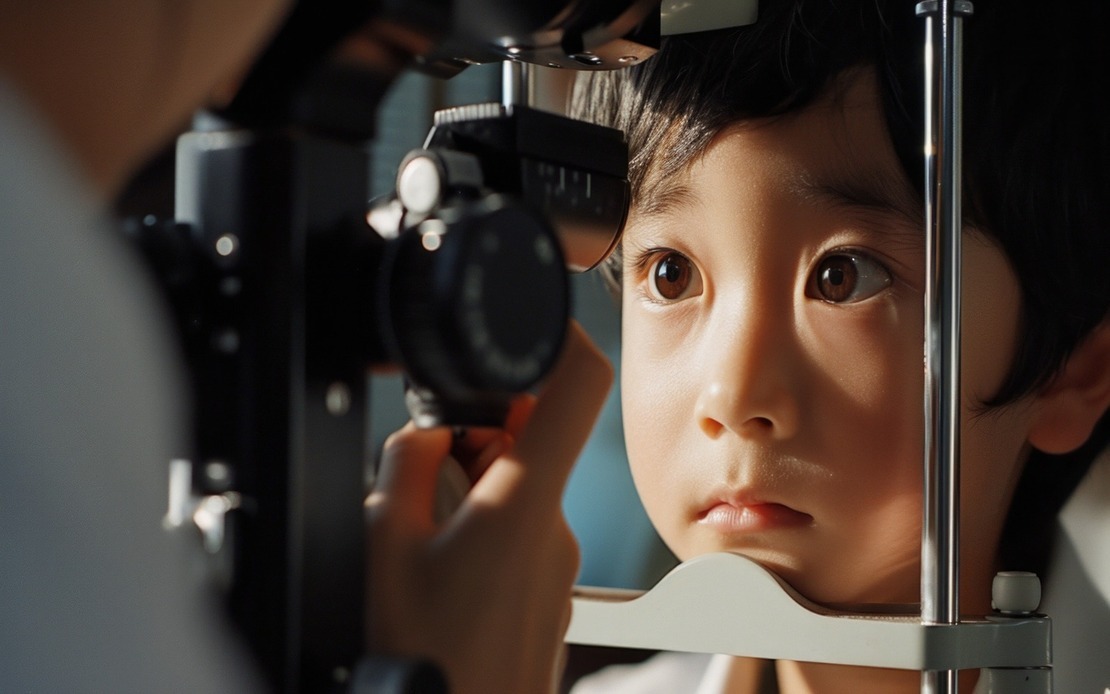
Early detection of eye conditions proves instrumental in preventing lifelong vision loss, with children and older adults particularly vulnerable to conditions that remain routinely overlooked across Malaysia. According to Dr Fazilawati A Qamarruddin, a consultant ophthalmologist and paediatric eye specialist at Sunway Medical Centre, Sunway City, timely screening can halt the progression of common afflictions such as squinting and cataracts before they compromise quality of life. The specialist's commentary underscores a critical gap in public awareness, as many Malaysians delay seeking eye care until symptoms have already begun affecting schooling, workplace performance, or independence.
Squinting, medically termed strabismus, represents one of the most prevalent yet underdiagnosed conditions affecting the Malaysian population across different life stages. The condition manifests when the eyes fail to align properly, with one eye deviating from the straight-ahead position while the other focuses forward. This misalignment disrupts the visual system's ability to function as an integrated unit, compromising depth perception and the brain's capacity to process three-dimensional space accurately. Beyond the immediate visual impact, persistent squinting in childhood frequently undermines academic performance and erodes social confidence, as affected children may withdraw from peer interaction or struggle with classroom learning that depends on clear binocular vision.
The underlying causes of squinting extend well beyond simple refractive errors, though uncorrected short-sightedness, long-sightedness, or astigmatism remain the most common triggers. Dr Fazilawati points to neurological deficits, nerve dysfunction, trauma, and space-occupying lesions such as brain or orbital tumours as potential culprits, particularly when squinting emerges suddenly in adulthood. The sudden onset of squinting accompanied by double vision warrants urgent medical evaluation to exclude serious pathology, a concern that frequently goes unaddressed when patients assume the condition is purely cosmetic or inconvenient. While global epidemiological data suggests that two to four per cent of children experience strabismus—a figure seemingly modest in percentage terms—the absolute numbers translate into thousands of affected Malaysian children navigating educational and social environments whilst struggling with compromised vision.
Without intervention, persistent squinting progression evolves into amblyopia or lazy eye, a neurological adaptation whereby the brain gradually suppresses visual input from the weaker eye and increasingly relies upon the stronger one. Over time, this cortical preference becomes entrenched, and the neglected eye's vision deteriorates despite the eye's physical health. The critical window for preventing this outcome closes during early childhood, making proactive screening before age three and again upon school entry non-negotiable preventive milestones. Dr Fazilawati emphasises that refractive errors—among Malaysia's most prevalent vision problems—respond excellently to prescription correction if identified early, yet many children progress through their formative years without their optical deficits being remedied, accepting blurred vision as normal until academic struggles prompt concern.
Parental vigilance for early warning signs offers an accessible layer of frontline detection before professional screening occurs. Children who habitually tilt their heads to achieve focus, squint during visual tasks, position themselves excessively close to television screens, or frequently report headaches demonstrate clear indicators warranting professional examination. Dr Fazilawati advises against postponing evaluation until schools flag concerns, as educational performance often reflects accumulated learning loss rather than acute newly-detected problems. The simple intervention of appropriately prescribed glasses, dispensed during childhood and continued into adolescence, frequently eliminates years of avoidable visual struggle and educational disadvantage.
Cataracts—the clouding of the natural lens within the eye—predominantly afflict individuals over sixty, though disease onset accelerates among those with diabetes, smoking histories, or chronic ultraviolet exposure. The condition produces progressively worsening vision characterised by haziness, glare sensitivity, colour desaturation, and particular difficulty navigating low-light environments such as night-time driving. Historically, cataract surgery represented a significant medical undertaking with extended recovery periods and substantial risk of complications. Modern surgical technology has fundamentally transformed treatment outcomes and patient experience through advanced phacoemulsification techniques utilising ultrasound energy to fragment the opaque lens through microscopic incisions.
Contemporary cataract surgery methodology bears minimal resemblance to procedures of previous decades, offering dramatically improved safety profiles and recovery trajectories. The phacoemulsification approach's reliance upon tiny incisions eliminates the need for hospitalisation in most cases, with procedures successfully performed on outpatient day-surgery bases. Patients typically resume light activities within seven days and experience substantially complete visual restoration within two weeks, allowing rapid return to normal functioning compared to the months of restricted activity once required. This technological advancement renders cataract surgery far more accessible and appealing to patients who might previously have tolerated progressive visual decline to avoid surgical intervention.
The modern digital environment has introduced emerging eye health challenges with particular significance for younger populations, as excessive screen exposure correlates with worsening short-sightedness among children and adolescents. Prolonged close-range focus on digital displays creates sustained accommodation demand that may contribute to myopic progression, particularly during developmental periods when the eye remains structurally malleable. Dr Fazilawati advocates adoption of the 20-20-20 strategy—directing gaze toward distant objects at least twenty feet away for twenty-second intervals every twenty minutes of screen work—as a simple yet effective mechanism for reducing ocular strain and potentially moderating refractive changes.
Comprehensive vision screening schedules should align with developmental and age-related risk profiles rather than assuming a one-size-fits-all approach. Children require professional eye examinations before beginning formal education to establish baseline vision and detect correctable problems that might otherwise compromise academic achievement. Adults transitioning into their fifth decade benefit from baseline eye examinations even absent symptoms, as conditions including elevated intraocular pressure and early cataracts may develop asymptomatically during this critical transition period. Individuals with diabetes require annual ophthalmologic assessment because diabetic retinopathy—microvascular damage within the retina triggered by prolonged hyperglycaemia—progresses silently yet threatens blindness if undetected and untreated.
The public health implications of deferred eye care extend beyond individual visual loss, encompassing broader impacts upon educational trajectories, employment capacity, independence, and quality of life. Children whose refractive errors receive timely correction access academic content previously inaccessible to their blurred vision, fundamentally altering educational and career trajectories. Seniors who maintain clear vision preserve independence in mobility, activities of daily living, and continued social engagement. Dr Fazilawati's counsel crystallises around a straightforward proposition: the minor inconvenience of scheduling screening appointments and obtaining corrective measures when necessary pales against the potentially irreversible consequences of postponement.

