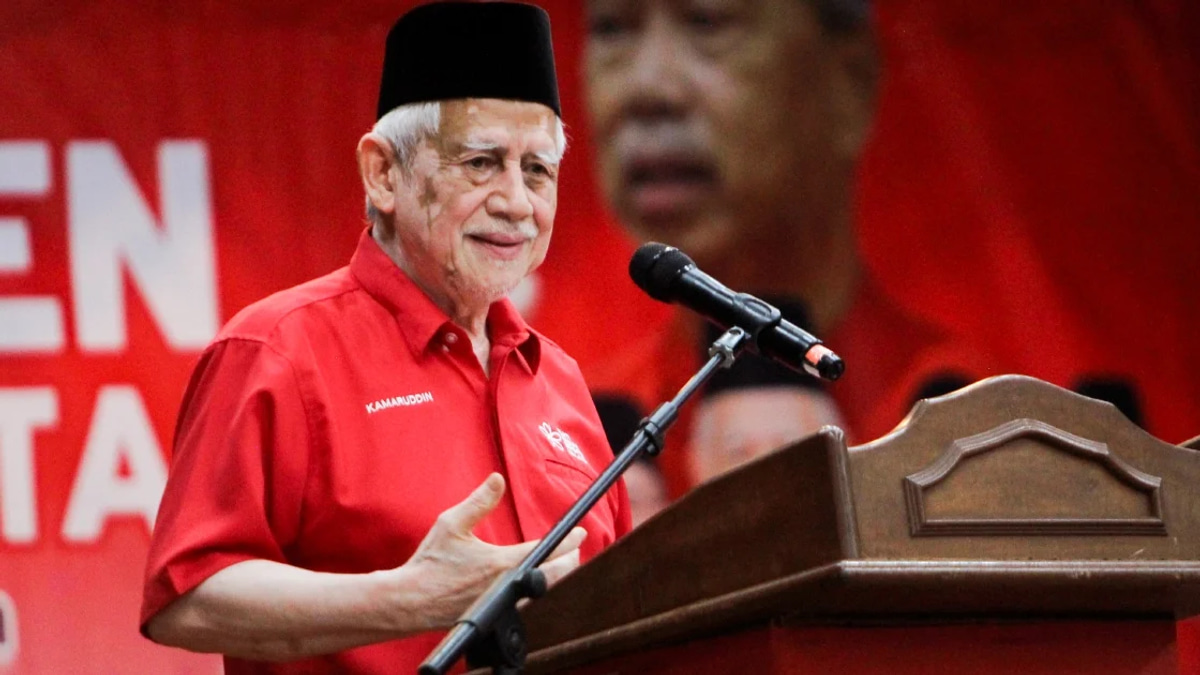
The Court of Appeal has upheld a defamation verdict favouring a leading Malaysian politician in a case against former Prime Minister Muhyiddin Yassin, though judges have significantly pared back the monetary damages previously awarded by the High Court. The appellate bench has disallowed RM150,000 in aggravated damages and another RM150,000 in exemplary damages that were originally granted, leaving the successful plaintiff with a reduced total award of RM450,000.
This outcome represents a partial victory for Muhyiddin, whose appeal succeeded in challenging the severity of the original damages calculation. The High Court's initial judgment had encompassed compensatory damages alongside the aggravated and exemplary components, creating a substantial overall award. By removing two of these three damage categories, the Court of Appeal has effectively signalled that while the defamation itself was established, the circumstances may not have warranted the elevated damages typically reserved for cases involving particularly egregious conduct or public malice.
The reduction underscores a judicial distinction that often escapes public notice: establishing that defamatory statements were published is not identical to proving they merit maximum financial punishment. Malaysian courts have increasingly refined their approach to damages in defamation cases, recognising that while vindication matters, proportionality must also be observed. The appellate judgment suggests that although Muhyiddin's statements caused harm sufficient to warrant legal recourse, the evidence may not have fully supported claims of calculated malice or recklessness that typically trigger enhanced damages.
For the victorious plaintiff, the outcome delivers validation of their complaint that false statements were made, which remains the core purpose of defamation law in protecting reputation. The RM450,000 award, while reduced, still represents a substantial financial recognition of the harm caused. In the Malaysian context, where public figures frequently become embroiled in disputes over controversial statements, this judgment provides a measured baseline for how courts will evaluate similar claims going forward.
This case arrives amid a broader pattern of defamation litigation involving Malaysia's political elite. Over recent years, several prominent politicians have pursued court action to challenge allegations made against them, reflecting intense factional tensions within the country's political system. Such suits often generate significant public interest and media scrutiny, as they frequently involve allegations touching on governance, financial propriety, or personal conduct. The courts have thus been called upon to balance press freedom and public discourse against individuals' rights to protect their reputations.
Muhyiddin's attempt to reduce damages reflects a common appellate strategy in defamation cases, where defendants seek to distinguish between proving statements were false and establishing the enhanced culpability that justifies punitive financial awards. The Court of Appeal's receptiveness to this argument suggests that appellate courts will continue examining whether trial judges have properly calibrated damages to the specific circumstances of each case, rather than applying standardised penalty amounts.
The implications for Malaysian political discourse are worth considering. High defamation awards can potentially chill public debate, as public figures and media organisations become reluctant to publish information they cannot immediately verify, lest they face ruinous financial exposure. Conversely, inadequate protection leaves public figures vulnerable to systematic reputation damage through false allegations. Courts must navigate this tension carefully, and the present judgment demonstrates an effort to strike that balance by protecting reputation through vindication and reasonable compensation whilst avoiding damages so elevated as to function as speech suppressants.
For media practitioners and political commentators in Southeast Asia, this outcome offers instructive guidance. The reduction in damages—whilst maintaining the core judgment—reinforces that accuracy matters profoundly in public discourse about political figures. Publishers cannot assume they will be shielded by low damages awards if they publish false statements; courts will award compensation for genuine harm. Simultaneously, the rejection of aggravated and exemplary damages suggests courts may be sceptical of arguments that political rivalries automatically constitute deliberate malice of the sort typically punished through such enhanced awards.
The case also highlights how Malaysia's judicial system processes complex questions about political speech. Unlike jurisdictions with constitutional protections for robust public debate, Malaysian courts apply common law defamation principles with somewhat less deference to freedom of expression concerns. This judgment therefore carries weight beyond the immediate parties, potentially influencing how public figures strategise about responding to controversial statements and how media organisations calculate the risk of reporting on allegations in the political sphere.
Going forward, the Court of Appeal's reasoning may influence other pending defamation matters involving politicians. Several such cases remain in various stages of proceedings throughout Malaysian courts, and appellate guidance on how damages should be calculated will likely inform both trial court decisions and settlement negotiations. The decision suggests that future claimants should prepare robust evidence not merely of falsity and harm, but specifically of the defendant's mental state or conduct suggesting deliberate malice if they hope to recover the enhanced damages category.
For Malaysian political observers, the judgment underscores that reputational disputes among the country's leadership will continue finding their way into courts. This reflects both the intensity of factional politics and the litigious inclinations of powerful individuals. Whether such lawsuits ultimately serve the public interest by ensuring accuracy in political discourse or alternatively distract from substantive policy debates remains contested. What is clear is that courts will continue weighing these concerns case by case, adjusting damages awards based on their assessment of culpability and harm, as demonstrated in this latest appellate decision.