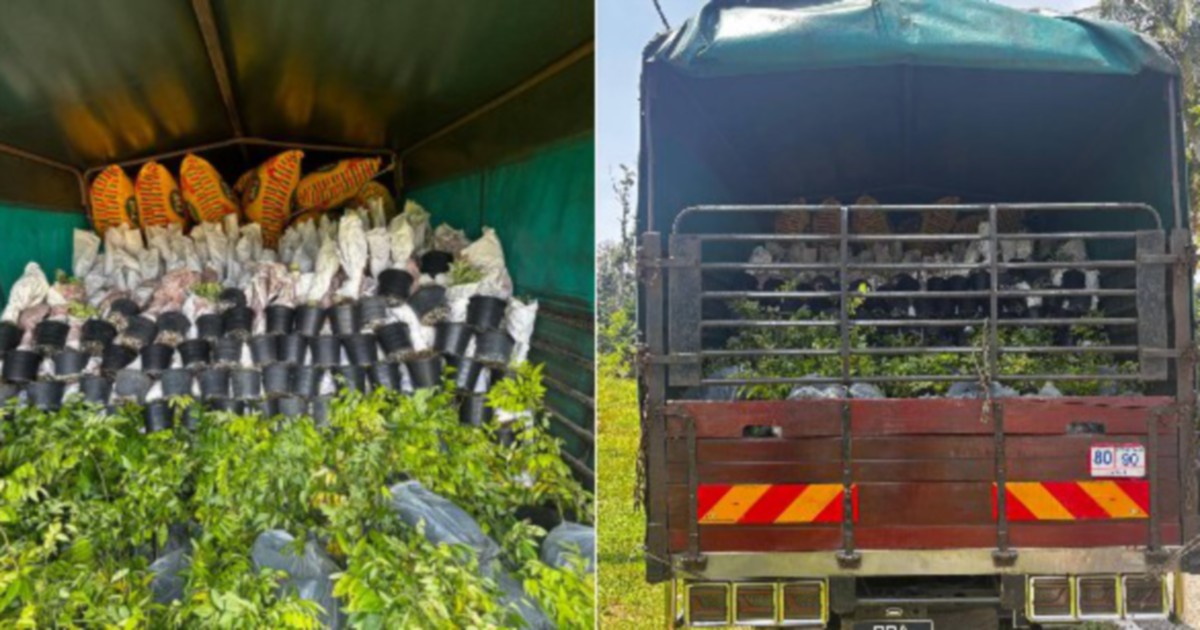
A commercial driver faces prosecution following the discovery of approximately 6,000 ornamental plant saplings, estimated to be worth RM200,000, in his vehicle at Kampung Padang Licin in Rantau Panjang. The cargo, which authorities believe originated illegally from Thailand, was intercepted during routine border operations at this strategic checkpoint connecting Malaysia and its northern neighbour. The apprehension marks another significant bust in a persistent pattern of horticultural smuggling that has plagued Malaysia's porous frontier regions.
The seizure highlights the ongoing vulnerability of Malaysia's cross-border trade infrastructure, particularly in the northeastern corridor where Rantau Panjang serves as a crucial transit point. Ornamental plants represent a lucrative but often loosely regulated commodity, creating opportunities for unscrupulous traders to bypass customs protocols and import duties. The sheer volume captured—6,000 saplings in a single vehicle—suggests an organised trafficking operation rather than opportunistic smuggling, indicating that criminal networks have established sophisticated supply chains exploiting the border region's geography and enforcement gaps.
Ornamental plant smuggling has emerged as a secondary but growing concern for Malaysian authorities, overshadowed by more headline-grabbing contraband like narcotics and counterfeit goods. However, the sector carries substantial economic implications. By circumventing legitimate import channels, smugglers deprive the government of tariff revenue while undercutting legitimate horticulturists and nursery operators who comply with regulatory requirements and taxation obligations. Local ornamental plant businesses, which supply both domestic landscaping markets and export markets across Southeast Asia, face unfair competition from illicit shipments that incur no official costs.
Thailand's northern provinces, particularly those bordering Malaysia, have become increasingly known for cultivating tropical and subtropical ornamental species for regional export. The accessibility of these plants, combined with relatively lax enforcement in Thai agricultural export zones, creates incentives for Malaysian smugglers to source directly and bypass documentation requirements. This undermines bilateral trade agreements and creates friction between the two nations' customs and agricultural authorities, who must coordinate more effectively to close these trafficking corridors.
The arrest of the driver raises questions about oversight mechanisms at Rantau Panjang and similar border posts. While intercepting such a substantial shipment demonstrates that some level of screening remains effective, the sophistication of smuggling operations suggests that many smaller consignments slip through undetected daily. The checkpoint's capacity to conduct thorough vehicle inspections, particularly of commercial lorries carrying bulky or disguised cargo, remains a persistent challenge given the volume of legitimate cross-border traffic during peak seasons.
For Malaysian consumers and the horticultural industry, smuggled plants present additional risks beyond economic competition. Illicit shipments typically bypass phytosanitary inspections designed to prevent the introduction of pests, diseases, and invasive species that could devastate local agriculture and landscaping sectors. Ornamental plants from Thailand may carry pathogens or parasites specific to tropical conditions that pose risks if introduced to Malaysian nurseries and gardens without proper quarantine procedures. The regulatory framework, while theoretically sound, depends upon consistent enforcement at entry points.
The estimated RM200,000 valuation underscores the commercial significance of this particular intercept. This figure suggests either high-value ornamental varieties or substantial bulk orders destined for major distributors rather than retail operations. The intended market remains unclear—whether the plants were targeted at landscape contractors undertaking major developments, wholesale nurseries supplying retailers, or exporters planning to re-export through Malaysia to third countries at a profit. Each scenario would involve different criminal actors and distribution networks warranting separate investigation.
The broader context of border security in the Malaysia-Thailand frontier reveals systemic challenges extending well beyond a single lorry seizure. The region's porous nature, limited personnel resources, and competing enforcement priorities mean that customs authorities must be strategic about deployment. Smuggling organisations have adapted their tactics over years, learning which crossing points and times of day present lower interception risks. The capture of 6,000 saplings may represent merely a fraction of ongoing traffic, with other shipments successfully reaching destinations through different routes or using different concealment methods.
Cooperation between Malaysia and Thailand on agricultural security remains underdeveloped compared to their coordination on narcotics enforcement. Joint task forces, intelligence sharing, and harmonised inspection protocols could substantially impede horticultural smuggling networks. Such collaboration would require Thai authorities to crack down on illicit export operations within their territory while Malaysian agencies enhance screening capabilities at border posts. Regional frameworks like ASEAN could facilitate such cooperation, embedding agricultural security into broader trade governance structures.
For Malaysian consumers and landscaping businesses, this seizure offers a reminder that ornamental plants purchased through legitimate channels, while potentially more expensive, carry assurances regarding quality, phytosanitary compliance, and economic fairness to local producers. As investigations into the driver's suppliers and intended recipients proceed, enforcement authorities may uncover additional networks requiring dismantling. Ultimately, addressing smuggling requires not merely reactive interdiction but proactive measures including intelligence operations, supplier identification, and coordinated regional action to close the channels enabling such trade to persist at Malaysia's borders.

