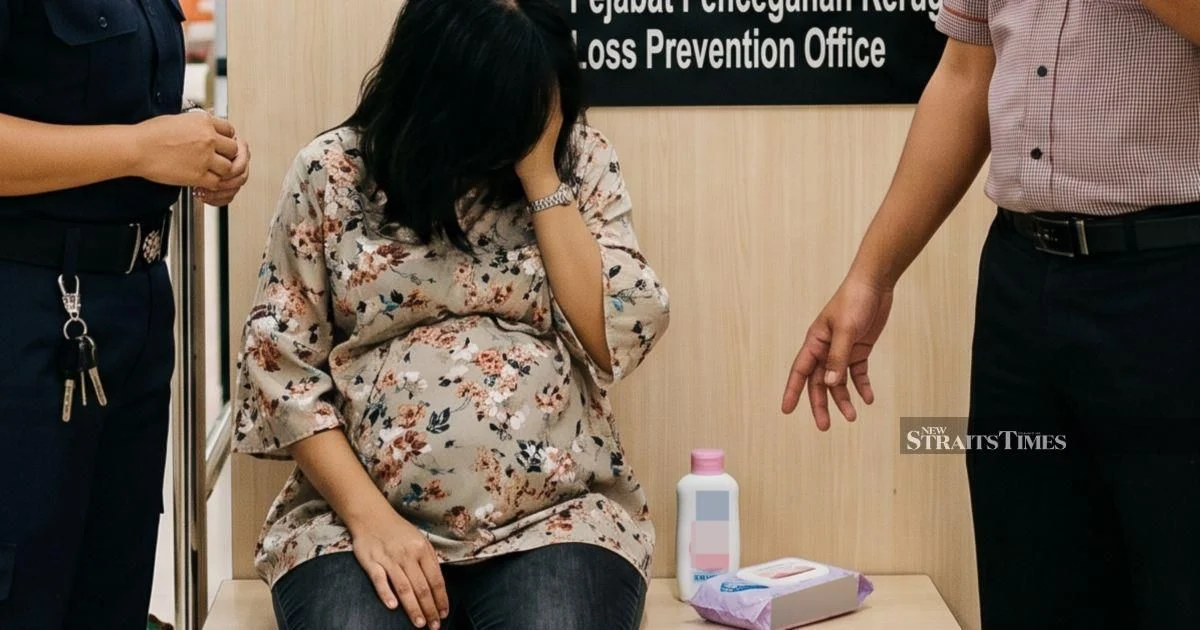
Lotus's Malaysia has initiated a comprehensive inquiry into events that unfolded at one of its outlets in the Selangor locality of Selayang, where staff members accused a pregnant woman of attempting to leave the premises with unpaid merchandise. The investigation signals the retailer's intention to examine both the circumstances surrounding the alleged incident and the manner in which staff responded to the situation.
The case has drawn attention to how supermarket chains manage suspected shoplifting instances, particularly when the individuals involved belong to vulnerable groups. Pregnancy-related incidents at retail establishments have become increasingly visible across Malaysia in recent years, with social media amplifying public discussion around customer treatment and staff protocols. The Lotus's store in Selayang, which serves a mixed demographic in one of Selangor's densely populated areas, now faces heightened scrutiny as the company determines what transpired.
Supermarkets across Malaysia operate under pressure to prevent losses through theft while maintaining customer service standards that reflect corporate values and legal obligations. The balance between security measures and customer dignity has become a recurring tension point in the retail sector, particularly in major urban centres where foot traffic and transaction volumes are substantial. Investigations of this nature often uncover gaps in staff training or unclear protocols that may have contributed to mishandled situations.
Lotus's operates an extensive network across Malaysia and serves as a significant employer in the retail food sector. The company's response to this incident will likely influence public perception of its brand and may set precedent for how comparable situations are managed at other locations. Retail chains are increasingly conscious that accusations of unfair treatment can escalate rapidly through digital channels, affecting customer loyalty and brand reputation.
The circumstances in Selayang highlight broader questions about how retail staff are trained to approach suspected misconduct. Many Malaysian supermarkets have implemented or are refining protocols that require staff to follow specific steps before making accusations or restricting customers. These procedures typically involve verification processes and involvement of management before confrontation, designed to prevent embarrassment or injury to innocent shoppers.
Pregnancy-related incidents raise additional legal and ethical considerations. Under Malaysian workplace and consumer protection frameworks, retailers must exercise reasonable care in their interactions with customers. When customers are pregnant, physiological and emotional factors may influence both perception and response, meaning staff should be equipped with appropriate awareness and de-escalation skills.
The Selayang outlet's handling of the situation will be examined against Lotus's Malaysia's corporate policies and industry standards. Large retailers typically maintain internal guidelines addressing customer disputes, suspected theft, and appropriate staff conduct. The investigation will likely determine whether these guidelines were followed and whether any additional training or procedural changes are warranted.
For consumers in Malaysia, particularly women and expecting mothers, such incidents raise concerns about personal dignity during shopping experiences. The retail environment is a space where most Malaysians conduct regular transactions, and customer confidence in fair treatment influences shopping behaviour and store selection. A single mishandled incident can create ripple effects through community networks and online discussion forums where customer experiences are shared extensively.
Lotus's Malaysia's investigation represents an opportunity to demonstrate accountability and customer-centredness. The company's findings and any subsequent actions will likely be followed by consumer advocacy groups and competitors. In a competitive retail landscape where customer experience significantly impacts market share, how management responds to this investigation matters both for the affected customer and for the retailer's broader market position.
The case also intersects with broader societal discussions about the treatment of pregnant women in public spaces across Malaysia. Healthcare, transport, and retail sectors all navigate questions about accommodating expecting mothers. Public expectations in these areas have evolved, with less tolerance for practices that might be perceived as dismissive or undignified.
As the investigation proceeds, Lotus's Malaysia faces an opportunity to reinforce its commitment to responsible retail practices. Whether the company implements revised training protocols, compensates the affected customer, or makes procedural changes will signal its values to existing and potential customers. The outcome may also influence how other Malaysian retailers approach similar situations going forward.

