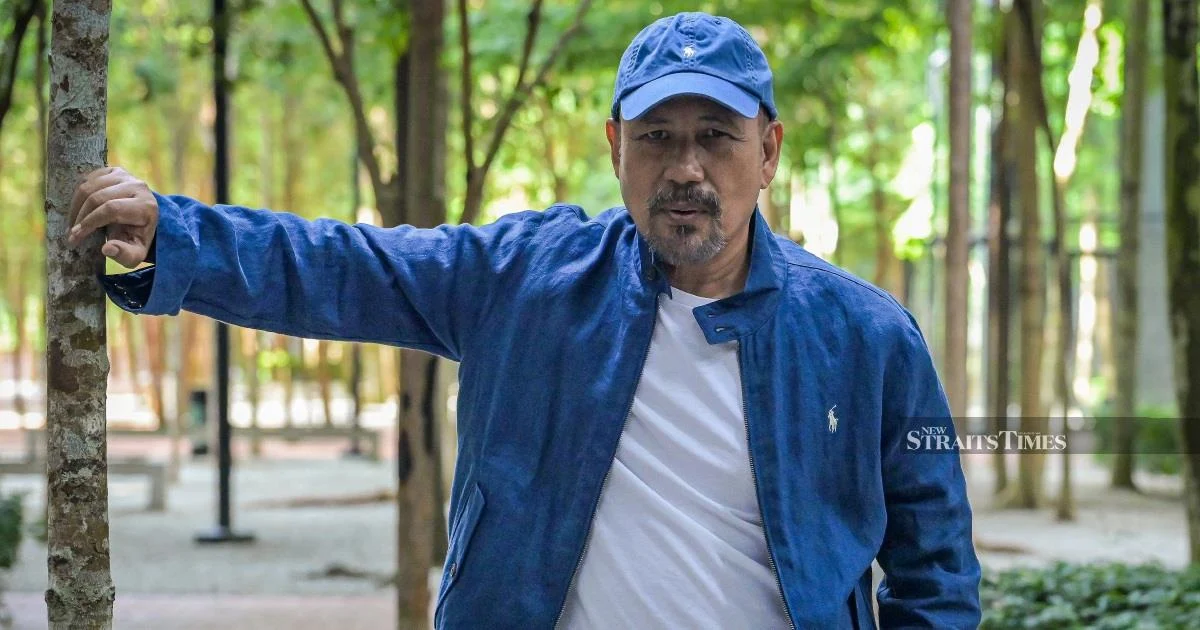
Datuk M. Nasir, one of Malaysia's most celebrated musical figures, has taken decisive legal action against MyTeksi Sdn Bhd, operating under the Grab Malaysia brand, demanding RM5 million in damages over what he characterises as an infringement of his personal rights. The acclaimed performer alleges that the company exploited his name and likeness without authorisation in connection with a beverage product marketing initiative, a violation he views as a fundamental breach of his intellectual property and personal dignity.
The lawsuit represents a significant moment in Malaysian entertainment law, highlighting the increasingly contentious relationship between established personality rights and corporate marketing practices in Southeast Asia's digital economy. M. Nasir's decision to pursue this case sets a precedent for how prominent figures might defend themselves against what they perceive as unauthorised commercial exploitation, particularly when such breaches occur in the context of large multinational enterprises operating in the region.
While the decorated maestro has maintained considerable restraint in public commentary, his decision to institute formal legal proceedings carries unmistakable weight. Rather than issuing inflammatory statements through media channels, M. Nasir appears to have chosen the deliberate path of courtroom action, allowing his legal team to articulate the specifics of his grievance. This measured approach stands in contrast to the immediate social media responses often seen in contemporary disputes involving public figures and corporations.
The dispute centres on a fundamental question of consent and commercial ethics in the modern marketplace. M. Nasir's assertion that his name was utilised without permission to market a consumable product touches upon deeper issues regarding how Malaysian personalities—particularly those of considerable stature within the cultural landscape—retain control over their public personas and commercial identities. The RM5 million claim suggests the damages he and his legal advisors believe appropriate for such a breach, reflecting both reputational impact and lost commercial opportunity.
Grab Malaysia's position in this dispute remains formally unelaborated in public forums, though the company operates as one of Southeast Asia's most significant ride-hailing and delivery platforms. The incident raises questions about the regulatory oversight and internal compliance procedures that multinational digital service companies employ when associating celebrity names with consumer products. For Malaysian consumers and industry observers, the case underscores how even technologically sophisticated organisations operating at massive scale require robust mechanisms to verify endorsement authorisation before deploying a celebrity's name in commercial contexts.
M. Nasir's reluctance to elaborate extensively beyond confirming his legal action likely reflects standard litigation strategy, where premature public statements could potentially prejudice ongoing proceedings. However, his invocation of moral and legal rights signals his conviction that this transgression extends beyond mere commercial disagreement into territory touching personal dignity and professional reputation. For an artist whose career has spanned decades and whose influence on Malaysian popular music remains substantial, such considerations carry particular weight.
The broader implications of this lawsuit resonate throughout Malaysia's entertainment and business sectors. Performers, musicians, athletes, and other public figures operating in the region now confront questions about the adequacy of their current contractual safeguards and monitoring mechanisms. The case demonstrates that even high-profile personalities with considerable resources and industry standing cannot assume their names enjoy automatic protection from unauthorised exploitation, necessitating proactive legal vigilance.
From a regulatory perspective, the dispute raises considerations for the Malaysian Communications and Multimedia Content Forum and other industry bodies regarding standards for celebrity endorsement verification. Should corporations utilising personality names in marketing materials face mandatory documentation requirements to prove explicit consent? The case may eventually influence how digital platforms and consumer brands in Malaysia approach personality rights going forward.
M. Nasir's decision to pursue this matter through formal litigation rather than settlement negotiation or public pressure campaigns suggests his determination to establish a legal precedent. His description of this action as reflecting his "moral right" indicates his view that the issues extend beyond financial compensation into questions of principle regarding personal autonomy and commercial propriety. For Malaysian cultural figures, the outcome of this case could establish important benchmarks for how courts evaluate personality rights violations in the contemporary marketplace.
The case also illustrates how Malaysia's legal system addresses personality rights in an era when digital and global commerce enable rapid, large-scale deployment of celebrity associations. Unlike in some jurisdictions with more explicitly codified personality rights protections, Malaysian jurisprudence has traditionally addressed such disputes through defamation, passing off, and contractual law frameworks. M. Nasir's lawsuit will likely involve these varied legal doctrines, potentially offering Malaysian courts opportunity to clarify evolving standards in this domain.
As the proceedings continue, industry observers across Southeast Asia will monitor how Malaysian courts evaluate such disputes. The outcome could influence how regional companies approach celebrity marketing, potentially establishing more stringent verification standards and tighter controls over name usage. For M. Nasir, the lawsuit represents both a personal stand regarding his right to control his commercial identity and a potential contribution to broader legal principles protecting Malaysian public figures from unauthorised exploitation.
%22%2F%3E%3C%2Fpattern%3E%3C%2Fdefs%3E%3Crect%20width%3D%22100%25%22%20height%3D%22100%25%22%20fill%3D%22url(%23ph2nulhg)%22%2F%3E%3Crect%20width%3D%22100%25%22%20height%3D%22100%25%22%20fill%3D%22url(%23ph2nulhp)%22%2F%3E%3Ctext%20x%3D%2250%25%22%20y%3D%2250%25%22%20text-anchor%3D%22middle%22%20dominant-baseline%3D%22central%22%20fill%3D%22rgba(255%2C255%2C255%2C0.95)%22%20font-family%3D%22Georgia%2C%20'Times%20New%20Roman'%2C%20serif%22%20font-weight%3D%22700%22%20font-size%3D%22272%22%20letter-spacing%3D%22-0.02em%22%3EAnwar%3C%2Ftext%3E%3C%2Fsvg%3E)