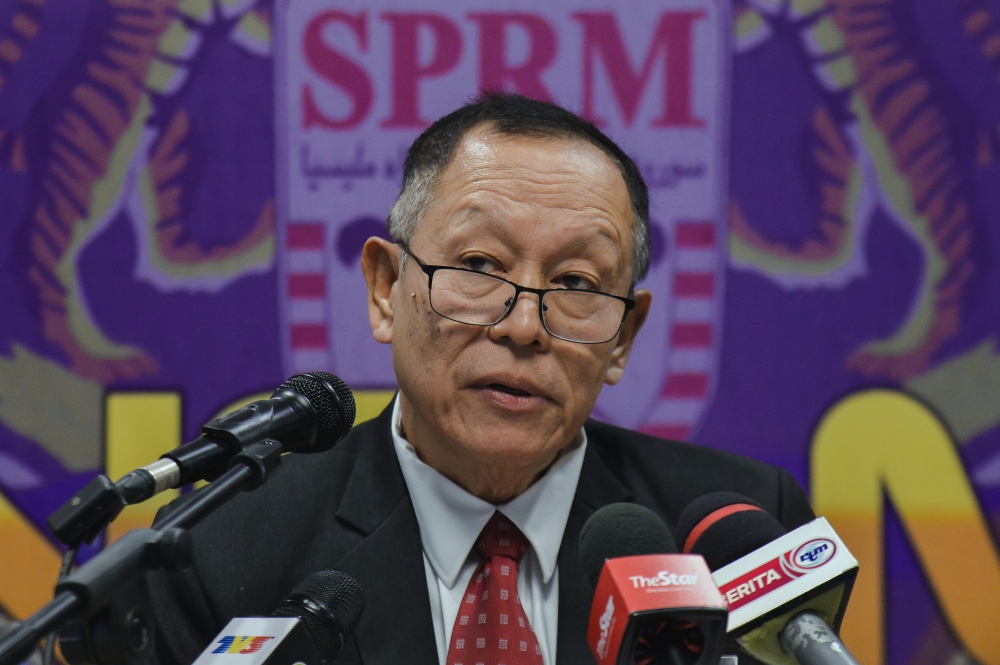
The Malaysian Anti-Corruption Commission has arrested the former chief executive and chief financial officer of a major plantation company as part of an ongoing investigation into alleged abuse of power surrounding a RM370 million business transaction. The pair's detention marks a significant escalation in the MACC's enforcement activities targeting senior management misconduct within Malaysia's substantial agricultural and commodities sector.
Authorities took the executives into custody following preliminary investigations that suggested they had misused their positions of authority during the negotiation and execution of the disputed deal. The specifics of how their official powers were allegedly abused remain under investigation, though such cases typically involve decisions made outside normal corporate governance frameworks or undertaken without proper board oversight and shareholder approval. The MACC has indicated that its inquiry will examine whether proper procedures were followed throughout the transaction process.
The RM370 million figure underscores the scale of the alleged misconduct. In the Malaysian business landscape, where corporate accountability has become increasingly scrutinized following high-profile scandals in recent years, the quantum of the transaction suggests potential exposure of significant company assets or shareholder value. Plantation companies remain economically important to Malaysia's economy, particularly in generating foreign exchange and providing employment across the country, making governance lapses within the sector a matter of national economic concern.
This development reflects intensified regulatory vigilance within Malaysia's corporate sector. The MACC has expanded its reach beyond government institutions to target misconduct within major private enterprises, signalling that no organization remains exempt from anti-corruption scrutiny. Companies listed on the stock exchange, in particular, face mounting pressure to demonstrate transparent and compliant management practices. The arrest of C-suite executives sends a potent message to corporate Malaysia that seniority provides no shield against investigation when evidence of impropriety emerges.
The timing of the arrests coincides with growing regional awareness regarding corporate governance standards. Southeast Asian economies increasingly benchmark their enforcement mechanisms against international best practices, with Malaysia positioning itself as a leader in combating financial crime. For multinational corporations with Malaysian operations and for domestic firms with regional ambitions, cases like this underline the importance of robust internal controls and transparent decision-making processes at board level.
Plantation companies operate within a highly regulated environment spanning land use, environmental protection, labor standards, and commodity trading. Additional layers of regulatory oversight mean that executives within the sector face heightened accountability. The alleged abuse of power in question may have implications beyond internal corporate governance, potentially affecting stakeholder relationships including workers, smallholders, suppliers, and commodity buyers. The broader business community will closely monitor how authorities prosecute this case and what precedent it establishes.
Investor confidence in Malaysian-listed companies can be affected by revelations of executive misconduct, particularly when major financial transactions are involved. Market participants assess governance risk when making investment decisions, and high-profile MACC actions against management may trigger portfolio reviews among institutional investors. For a plantation company already navigating global sustainability pressures and commodity price volatility, reputational damage from executive arrests could compound existing business challenges and affect access to capital markets.
The investigation will likely examine documentation surrounding the RM370 million transaction, including board meeting minutes, approval workflows, valuation assessments, and related party transaction disclosures. Regulators will determine whether proper authorization channels were bypassed, whether conflicts of interest were adequately managed, and whether information asymmetries allowed executives to benefit personally at company expense. These examinations typically extend beyond the transaction itself to review the executives' broader decision-making patterns during their tenure.
For Malaysia's broader anti-corruption agenda, this case demonstrates commitment to prosecuting white-collar misconduct at the highest corporate levels. The MACC's willingness to target chief executives and finance officers reflects recognition that systemic corruption risks emerge most acutely when those vested with significant discretionary authority operate outside established protocols. Successful prosecution of such cases strengthens institutional credibility and reinforces corporate compliance culture across Malaysian businesses.
The detention also carries implications for corporate board recruitment and succession planning across Malaysian industry. Boards may intensify due diligence regarding management proposals for major transactions, potentially slowing decision-making timelines but enhancing corporate governance practices. Professional liability insurance for directors and officers may see renewed focus, as board members contemplate their personal risk exposure when approving significant corporate decisions. This case will likely become a teaching point within Malaysian business schools and professional training programmes emphasizing ethical leadership and fiduciary responsibilities.

