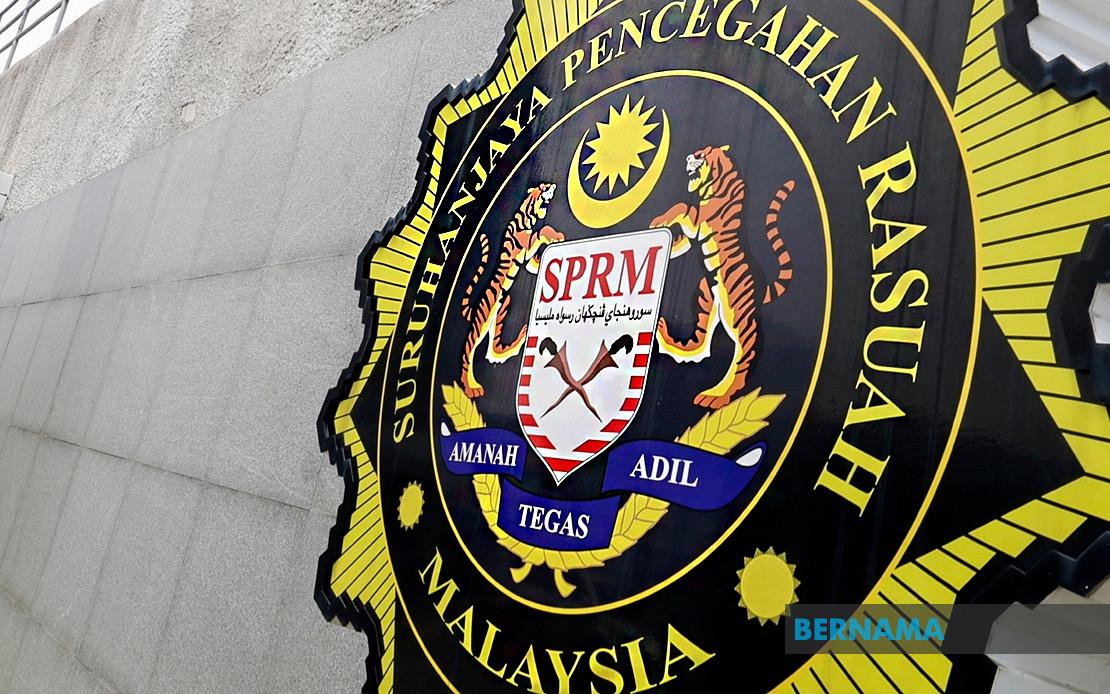
Malaysia's anti-corruption watchdog is fortifying its defences against an emerging threat to justice: artificially manipulated evidence and deepfake technology. The Malaysian Anti-Corruption Commission announced that its Technology Forensic Division has completed advanced training in digital authentication at an internationally recognised facility in Trieste, Italy, positioning the country to better identify fraudulent digital materials that could otherwise undermine investigations and court proceedings.
The four-day Amped Authenticate course, conducted from July 28 to 31, equipped MACC forensic specialists with cutting-edge techniques for scrutinising images, audio recordings, and video files suspected of being altered or synthetically generated. The training forms part of a deliberate institutional strategy to upgrade the commission's capacity at a moment when artificial intelligence tools are becoming increasingly sophisticated and accessible, creating novel pathways for evidence tampering that traditional forensic methods may struggle to detect.
The division's toolkit now incorporates advanced scientific methodologies grounded in established research principles. Photo Response Non-Uniformity analysis, or PRNU, serves as a fingerprinting mechanism for cameras, revealing whether an image has been captured by a specific device or artificially constructed. Complementing this approach, officers learn to identify JPEG compression anomalies, analyse the geometric consistency of shadows and reflections, and deploy dedicated deepfake detection systems that can expose synthetic facial manipulations or voice cloning.
What distinguishes this training from basic digital literacy is its legal rigour. The MACC recognises that forensic findings must withstand courtroom scrutiny, and evidence must be defensible under Malaysia's Evidence Act 1950. The Amped Authenticate software generates analysis reports that comply with international standards, specifically ISO/IEC 17025 certification for forensic laboratories, ensuring that findings carry weight in judicial proceedings across jurisdictions. This compatibility with global standards enhances Malaysia's capacity to collaborate with international law enforcement bodies investigating cross-border fraud and corruption.
The implications for Malaysia's anti-corruption ecosystem are substantial. Corruption networks are increasingly sophisticated, and as digital manipulation tools proliferate, corrupt actors may attempt to discredit legitimate evidence or fabricate exculpatory materials. By developing in-house expertise in forensic authentication, the MACC reduces dependence on external laboratories and accelerates investigation timelines. Faster verification of evidence authenticity translates into swifter case closure and prosecution, strengthening public confidence in the commission's effectiveness.
The training cohort included senior leadership, notably Wan Zulkifli Wan Jusoh, the Technology Forensic Division director, alongside Putrajaya's MACC leadership and specialist officers. This mix of management and technical staff suggests institutional commitment to embedding these capabilities throughout the division's operations, not merely creating isolated pockets of expertise. When senior investigators and division heads understand forensic authentication, they can integrate these considerations into investigation design from inception.
Beyond corruption cases, this capability addresses a broader Southeast Asian challenge. Disinformation campaigns, election interference, and financial fraud increasingly weaponise synthetic media. Criminal networks exploit deepfakes to impersonate officials, trick citizens, and manipulate public opinion. Thailand, Indonesia, and the Philippines have all confronted cases where fabricated videos damaged reputations or influenced political outcomes. Malaysia's investment in forensic authentication expertise positions it as a potential regional leader in countering these threats, potentially establishing standards that neighbouring countries might eventually adopt.
The commission's emphasis on transparent, scientifically defensible methodologies reflects a maturation of institutional thinking. Rather than simply acquiring technology, the MACC is investing in the interpretive frameworks and professional standards necessary for that technology to serve justice credibly. Expert witness testimony becomes viable only when forensic officers can articulate the scientific logic underpinning their conclusions, guided by methodologies that courts recognise and defence lawyers can legitimately challenge.
The deepening sophistication of artificial intelligence introduces an arms race dynamic into forensic science. As generative AI tools become more powerful, the tools for detecting them must advance correspondingly. By enrolling in internationally recognised training now, the MACC positions itself ahead of the curve, acquiring knowledge that will remain relevant as detection challenges evolve. Ongoing participation in such programmes, rather than one-time training, will likely become essential for maintaining competence.
For Malaysia's broader justice system, this development carries implications for case integrity. Judges and prosecutors must trust digital evidence presented to them. When defence counsels challenge the authenticity of forensic findings, courts need confidence that investigators employed scientifically sound, internationally recognised methodologies. The MACC's investment in formal training and standardised software creates an auditable chain of custody for digital evidence analysis, mirroring the rigour applied to physical forensics.
The initiative also signals Malaysia's commitment to institutional modernisation. Anti-corruption bodies across Southeast Asia operate within resource constraints, yet the MACC's decision to invest in expensive international training demonstrates prioritisation of investigative quality over budgetary convenience. This approach, while demanding financially, ultimately strengthens the commission's reputation and effectiveness, justifying the expenditure through improved case outcomes and deterrent effects.
As digital evidence becomes increasingly central to corruption cases, financial fraud investigations, and cybercrime prosecutions, the MACC's enhanced forensic capabilities will prove indispensable. The institution has acknowledged that integrity of evidence forms the bedrock of justice, and by building expertise in authentication, it is fortifying that foundation against manipulation threats that will only multiply.

