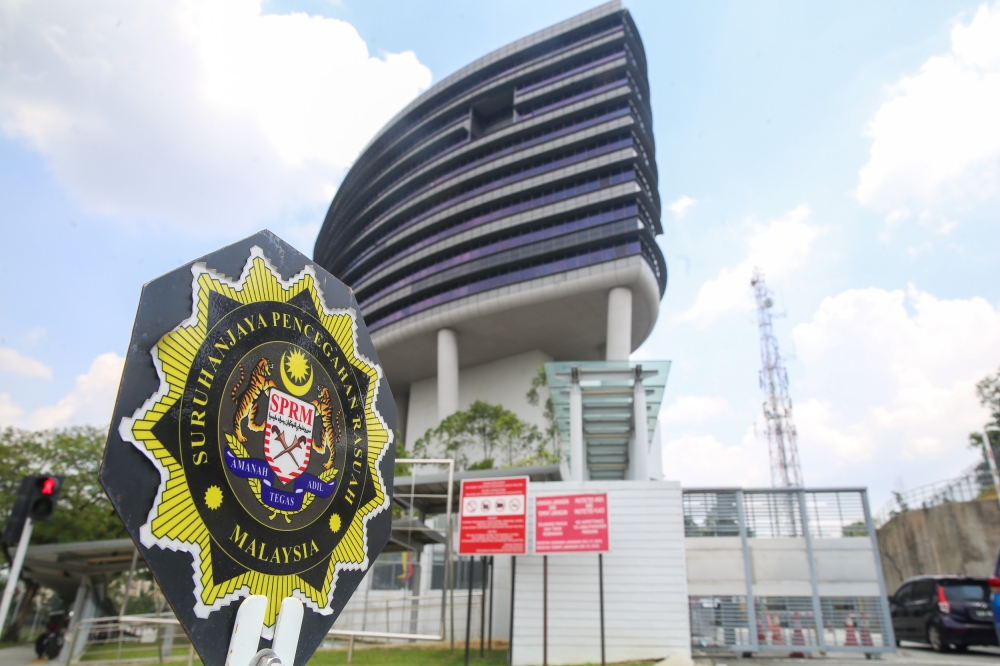
Putrajaya — The Malaysian Anti-Corruption Commission has taken five more immigration department personnel into custody as investigators deepen their inquiry into suspected breaches of the MyIMMs system, the country's critical immigration management platform. The latest arrests mark a significant escalation in a case that has exposed vulnerabilities in how government agencies protect sensitive citizen data and raised concerns about internal corruption within the Immigration Department.
The MyIMMs portal represents a cornerstone of Malaysia's immigration infrastructure, serving as the digital gateway through which millions of residents and visitors manage visa applications, travel permits, and immigration-related services. When unauthorized individuals gain access to such systems, the implications extend far beyond individual cases—they compromise national security frameworks, expose personal information to potential exploitation, and undermine public trust in government digital services.
These additional detentions follow earlier arrests of immigration officers suspected of involvement in the same incident, indicating that investigators have identified a network rather than isolated wrongdoing. The pattern suggests a more systemic problem within the department where multiple officers may have collaborated to circumvent security protocols or exploited existing access for unauthorized purposes. Such coordinated breaches are typically more difficult to conceal and trace, yet their discovery often reveals deeper institutional weaknesses.
The circumstances surrounding how the suspected hacking occurred remain under investigation, with authorities working to establish whether officers deliberately facilitated external access, deliberately misused their authorized credentials, or inadvertently created security gaps. Each scenario carries different implications: deliberate facilitation suggests intentional corruption, while credential misuse points to inadequate oversight and monitoring systems. The distinction will be crucial in determining appropriate enforcement responses.
For Malaysia, this investigation occurs against a broader global backdrop of rising cybersecurity threats targeting government services. Southeast Asian nations have increasingly become targets for data breaches, with immigration systems considered high-value targets because they contain comprehensive personal information, travel histories, and biometric data. The MyIMMs breach underscores that external cyber threats are only one dimension of risk—internal threats from authorized personnel pose equally serious dangers that organizations often underestimate.
The case raises uncomfortable questions about the Immigration Department's internal controls and monitoring capabilities. Modern government systems should incorporate robust audit trails, access logging, unusual activity alerts, and regular security reviews. If officers were able to commit breaches without prompt detection, it suggests these safeguards either don't exist in adequate form or weren't being monitored effectively. Addressing this gap will require substantial investment in both technology and personnel training.
For ordinary Malaysians, the breach carries personal consequences. Immigration records contain sensitive data including passport information, travel patterns, visa status, and addresses. Exposure of such information could enable identity theft, fraudulent visa applications, unauthorized travel document forgery, or targeted harassment. Individuals whose data may have been compromised deserve transparent communication from authorities about the scope of exposure and recommended protective measures.
The MACC investigation also reflects institutional accountability mechanisms at work. While the breach itself represents a serious failure, the commission's willingness to pursue multiple officers suggests commitment to uncovering the full extent of misconduct rather than treating this as an isolated incident. However, accountability measures will need to extend beyond individual prosecutions to encompassing systemic reforms that prevent recurrence.
Industry observers will be watching how the government addresses the underlying technical and organizational vulnerabilities. This may involve implementing more sophisticated access control systems, establishing dedicated cybersecurity teams within immigration, conducting comprehensive security audits of legacy systems, and creating clearer protocols for handling sensitive databases. Investment in such infrastructure often faces budget constraints, yet the costs of inadequate security—both in terms of data compromise and public confidence—typically far exceed prevention investments.
The detention of five additional officers will likely prompt broader reviews across the Immigration Department as authorities examine whether unauthorized access to MyIMMs extended beyond these individuals. Such internal examinations, while necessary, can create significant operational disruption and institutional demoralization if not handled carefully. The department will need to balance thorough investigation with maintaining public service continuity.
Regionally, Malaysia's experience with this breach may prompt neighboring countries to strengthen their own immigration system security. Southeast Asian nations operate in an environment where border security and population management are increasingly digitized, creating both efficiencies and vulnerabilities. Information sharing about breaches and their remediation can help the region develop stronger collective security standards.
As investigations proceed, the focus must extend beyond determining individual guilt to understanding systemic failures that enabled the breach. Only through comprehensive examination of technical controls, management oversight, training, and accountability structures can the Immigration Department rebuild the security infrastructure necessary to protect citizen information and maintain the integrity of Malaysia's immigration processes. The stakes are substantial enough that anything less than thorough institutional reform would represent a missed opportunity to prevent future compromises.

