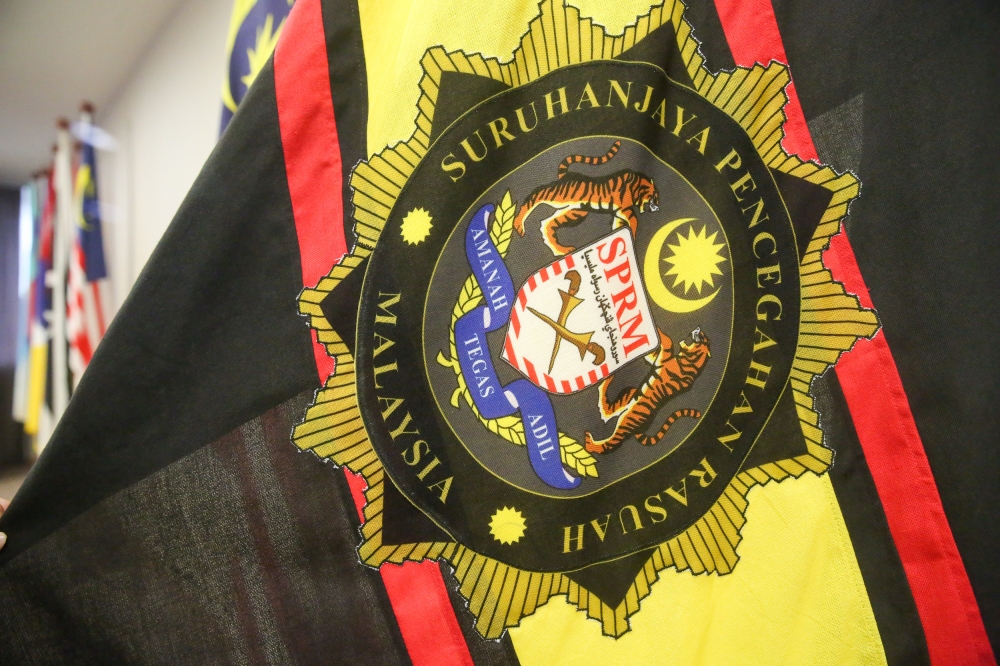
The Malaysian Anti-Corruption Commission (MACC) has taken into custody a former estate manager operating a rubber sapling supply firm in the Klang Valley region as part of an ongoing investigation into an RM8 million contract transaction. The detention follows emerging connections to the Tabung Haji Royal Commission of Inquiry (RCI), which has been scrutinizing allegations of financial irregularities and mismanagement within Malaysia's pilgrimage savings fund.
The arrest marks another chapter in the widening web of investigations surrounding Tabung Haji's operations. Since the establishment of the RCI, authorities have been methodically examining various commercial transactions and supply contracts that may have involved inflated costs, questionable vendor selections, or improper procurement procedures. The rubber sapling supply contract has now become a focal point in this broader inquiry, suggesting potential vulnerabilities in how the institution managed its expenditures and vendor relationships.
The specifics of the RM8 million transaction indicate the scale of financial movement under scrutiny. Rubber cultivation and saplings are legitimate agricultural inputs, yet the investigation's focus suggests investigators believe the contractual arrangements may have deviated from standard market pricing or competitive bidding processes. The involvement of an estate manager—typically a mid-to-senior operational figure—indicates authorities are exploring potential coordination between operational staff and decision-makers further up the chain of command.
Tabung Haji, officially the Lembaga Tabung Haji, serves millions of Malaysian Muslims as a dedicated savings and investment vehicle specifically designed to facilitate participation in the pilgrimage to Mecca. The institution manages substantial assets accumulated through deposits and investment activities. Any systemic irregularities in procurement or supplier relationships would erode public trust in an organization entrusted with managing hajj savings for ordinary Malaysians, making the RCI's mandate particularly important for institutional rehabilitation and public confidence restoration.
The detention by MACC represents the investigative agency's ongoing commitment to pursuing potential corruption-related offenses that may have resulted in financial losses to Tabung Haji and, by extension, its depositors. The scope of the inquiry extends beyond single transactions, instead examining broader patterns of conduct that might indicate systemic governance weaknesses or deliberate misconduct by organizational insiders working in concert with external suppliers and contractors.
For Malaysia's broader anti-corruption framework, this development reinforces the significance of targeted investigations into government-linked entities and their commercial relationships. Tabung Haji operates in a semi-autonomous capacity, managing public funds in a manner that requires robust oversight mechanisms. The RCI process itself reflects government recognition that institutional governance standards require external verification and independent assessment, particularly when large sums are involved and public trust is at stake.
The Klang Valley location of the rubber sapling supply company points to the concentration of commercial activity and procurement transactions in Malaysia's industrial heartland. The region's established agricultural suppliers and logistics infrastructure make it a logical location for Tabung Haji-related supply contracts, though this accessibility also creates opportunities for inflated pricing or unnecessary intermediary arrangements if oversight proves inadequate.
From a regional perspective, Malaysia's commitment to investigating financial irregularities within pilgrimage-related institutions carries weight. Other Southeast Asian nations with significant Muslim populations maintain similar hajj savings schemes, and the transparency and integrity of these institutions directly impact their legitimacy and effectiveness. The MACC investigation sends a signal that Malaysia takes governance seriously within these sensitive sectors.
The detention and ongoing investigation may soon reveal whether the RM8 million transaction represents an isolated incident or symptomatic of broader procurement dysfunction within Tabung Haji's operational framework. The quality of evidence gathered and the extent of the inquiry will determine whether the case involves individual wrongdoing or institutional negligence, with significant implications for how Tabung Haji restructures its vendor management and procurement oversight processes moving forward.
As the investigation develops, further detentions or charges may emerge implicating other individuals within supply chain networks or Tabung Haji's own decision-making hierarchy. The MACC's methodical approach suggests investigators are building a comprehensive understanding of transaction flows and approval processes rather than pursuing isolated offenders. This comprehensive methodology, while time-intensive, ultimately produces more durable cases and identifies systemic vulnerabilities requiring institutional correction.
The case underscores how corruption investigations, particularly those involving quasi-governmental bodies managing public savings, require sustained investigative effort and inter-agency coordination. The RCI's parallel examination provides investigative context and institutional perspective that the MACC can leverage, while MACC's enforcement powers enable concrete action through detention and potential criminal charges. This complementary approach—investigation plus institutional review—offers the most promising pathway toward both accountability and meaningful reform within Tabung Haji's governance architecture.

