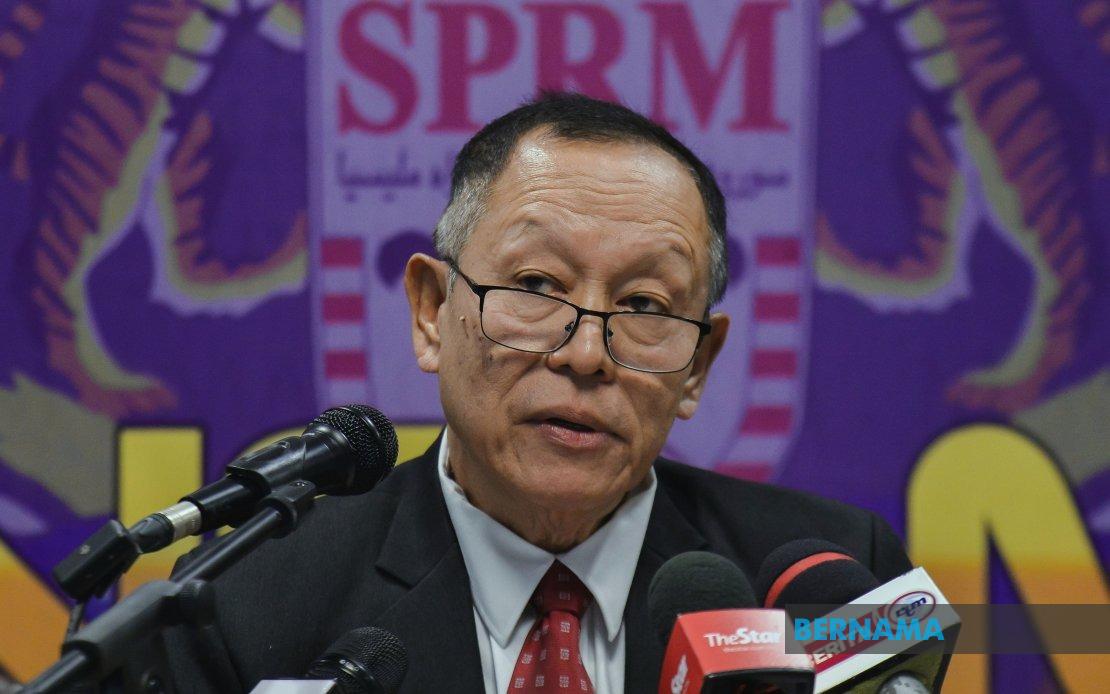
The Malaysian Anti-Corruption Commission has begun investigating three separate corruption allegations that surfaced during the 16th Johor state election campaign, signalling heightened scrutiny of political conduct ahead of Saturday's poll. Among the reports is a specific claim involving an election candidate, prompting the anti-graft agency to activate its election monitoring apparatus across the state. MACC chief commissioner Datuk Seri Abd Halim Aman disclosed the investigations at the commission's Putrajaya headquarters, emphasizing that the agency would pursue all credible allegations with equal vigour irrespective of the political party or candidate implicated.
Of the three complaints, one was formally lodged by the Election Campaign Enforcement Team (PP-KPR) operating in Batu Pahat, while the remaining pair came through general public reports. This mixture of official and civilian-initiated complaints underscores the distributed nature of election monitoring during campaign season. The MACC chief declined to elaborate extensively on the allegations themselves, maintaining investigative confidentiality while confirming the candidate-related complaint. His measured response reflected the commission's commitment to impartiality, with Abd Halim noting that corruption allegations demand investigation regardless of their source or the profile of those involved.
The emergence of these reports comes as Malaysia prepares for a significant democratic exercise, with roughly 2.7 million eligible voters poised to cast ballots this Saturday to determine representation across 56 state assembly seats in Johor. The timing of corruption allegations during an active campaign period raises questions about electoral integrity and the effectiveness of regulatory mechanisms operating in real time. For many Malaysian observers, such reports during polling season serve as both a test of institutional independence and a barometer of public vigilance regarding electoral propriety.
In response to the allegations, the MACC has deployed election operations rooms across five strategic locations throughout Johor: Johor Bahru, Segamat, Kluang, Batu Pahat and Mersing. These centres function as dedicated channels for public reporting of suspected abuse of power and corrupt practices throughout the election period, extending through polling day itself. The geographical distribution of these facilities reflects the commission's recognition that complaints can emerge from constituencies across the state, and accessibility is paramount for encouraging public participation in safeguarding electoral standards.
Abd Halim's public statements carried an unmistakable message of intolerance for electoral misconduct. He reiterated that the MACC would pursue firm action against all implicated parties, explicitly disregarding their background, status or political connections. This categorical stance is designed to reinforce public confidence that the anti-corruption framework operates without partisan bias. For a commission operating in Malaysia's competitive political environment, such declarations of impartiality are essential to maintaining institutional credibility and public trust in the electoral process itself.
The MACC chief also underscored the broader significance of maintaining election integrity beyond the immediate technical aspects of campaign regulation. According to Abd Halim, a clean election does more than ensure procedural compliance; it fundamentally strengthens public confidence in the nation's democratic institutions and governance framework. This perspective frames electoral corruption not merely as a legal violation but as a threat to institutional legitimacy and citizen engagement with democracy itself. The argument carries particular weight in Southeast Asia, where electoral integrity remains contested in several neighbouring jurisdictions.
Part of the commission's public messaging involved reminding all stakeholders—candidates, political parties, supporters and voters—of their obligations under electoral law throughout the campaign period and on voting day. This broad-based appeal acknowledges that election integrity is a collective responsibility extending beyond regulatory agencies to encompass all participants in the democratic process. The emphasis on compliance appears designed to establish shared ownership of electoral standards rather than positioning the MACC solely as an enforcement body.
The Johor state election represents a significant political event within Malaysia's electoral calendar, determining the composition of the state legislature for the coming term. The election occurs within the context of Malaysia's broader political landscape, where state-level contests frequently serve as barometers of public sentiment and factional strength within ruling coalitions. The emergence of corruption allegations during this particular campaign adds a layer of scrutiny to candidate vetting and party disciplinary mechanisms.
For Malaysian voters and regional observers, the handling of these corruption allegations during an active election period will likely influence perceptions of the MACC's independence and effectiveness. The commission faces the dual challenge of investigating allegations thoroughly while avoiding the appearance of political selectivity. Public transparency about investigation progress, constrained by legitimate confidentiality requirements, becomes critical to maintaining confidence in the process. The outcome of these investigations may also carry implications for future campaigns, establishing precedents about the consequences of electoral misconduct and the credibility of enforcement mechanisms.

