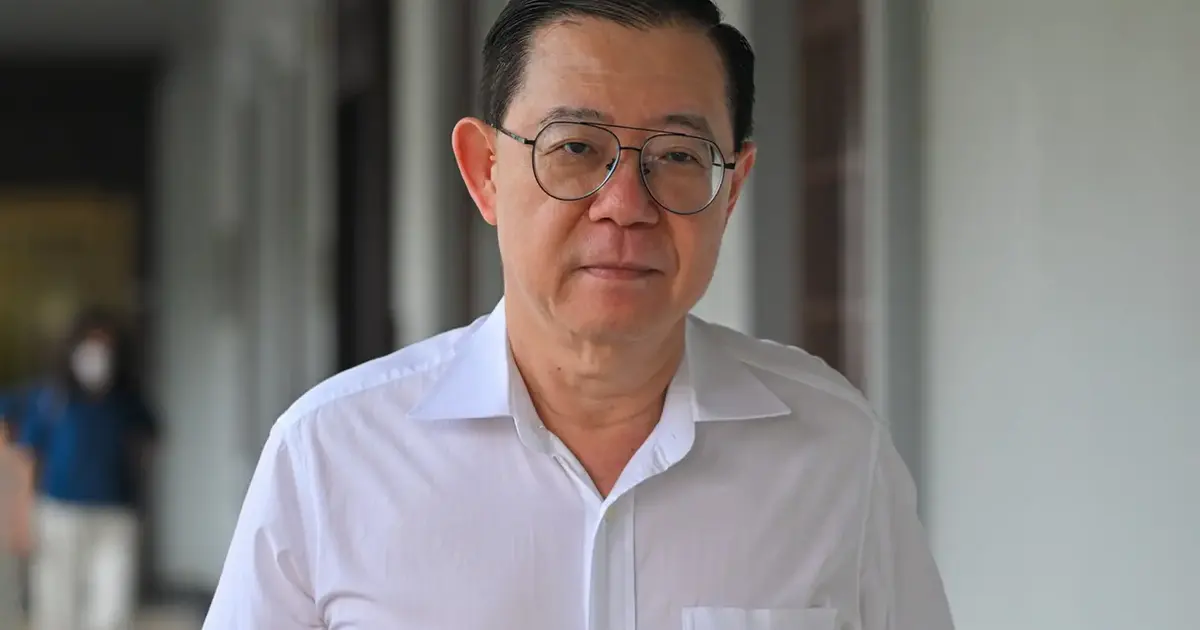
A Malaysian Anti-Corruption Commission investigating officer has forcefully rejected suggestions that the agency's examination of the Penang undersea tunnel project lacked impartiality, pushing back against assertions that authorities improperly pressured witnesses to provide evidence against former Penang Chief Minister Lim Guan Eng. Investigating officer Zulhilmi Ramli made these denials during proceedings related to the high-profile corruption inquiry that has drawn substantial scrutiny from both supporters and critics of the opposition politician.
The undersea tunnel project, envisioned as a infrastructure initiative for Penang, has become the focal point of one of Malaysia's most contentious recent anti-corruption investigations. The scheme was championed when Lim Guan Eng held the chief minister position, and the subsequent MACC inquiry has raised questions about procurement processes, project feasibility, and decision-making at the highest levels of state government. The project's estimated cost and scope made it particularly significant to Penang's developmental agenda and budget planning.
Lim Guan Eng's legal team has mounted a vigorous defence challenging the integrity of the investigation, with his representatives arguing that the probe has been selectively conducted to build a narrative against the politician rather than pursuing a balanced examination of the facts. This assertion of investigative bias represents a serious allegation in Malaysia's anti-corruption architecture, as it questions whether the MACC has maintained the institutional independence and professional standards expected of the country's premier graft-fighting agency.
Zulhilmi's testimony addresses a critical juncture in Malaysian corruption investigations where questions about procedural fairness have increasingly become central to high-profile cases. The investigating officer's account carries significant weight, as these individuals play the pivotal role in determining how evidence is gathered, which witnesses are interviewed, and how their statements are recorded and interpreted within the broader investigative narrative. The manner in which he conducted interviews and documented testimony will likely receive intense judicial scrutiny.
The allegation that witnesses were coerced or manipulated into providing statements implicating Lim Guan Eng strikes at the heart of investigative legitimacy. Malaysian courts have historically demonstrated sensitivity to concerns about witness pressure or coercion, recognising that such practices undermine both the reliability of evidence and public confidence in enforcement institutions. If such claims gain traction, they could fundamentally compromise the prosecution's case regardless of underlying facts.
For Malaysia's anti-corruption landscape, this dispute reveals ongoing tensions between the MACC's mandate to investigate high-level wrongdoing and the necessity of maintaining rigorous procedural protections. The opposition Democratic Action Party, of which Lim Guan Eng is a prominent member, has consistently framed the investigation as politically motivated, positioning it within their broader narrative of post-2018 government overreach. This political dimension adds complexity to judicial assessment of the evidence.
Zulhilmi's rejection of bias allegations reflects the MACC's institutional position that its investigation has followed proper protocols and maintained appropriate standards. However, the fact that such accusations have surfaced and reached the courtroom stage suggests at minimum that questions about investigative methodology have gained sufficient credibility to warrant judicial examination. The investigating officer's testimony therefore serves both as a defence of the agency's conduct and as part of a broader legal contest over investigative legitimacy.
The undersea tunnel project itself remains relevant to understanding the investigation's scope. Infrastructure megaprojects in Malaysia have occasionally attracted scrutiny regarding value-for-money, contractor selection processes, and alignment with genuine public needs versus political prestige objectives. The project's feasibility and cost-benefit analysis have been subjects of public debate, providing context for why the decision-making process attracted regulatory attention.
For Southeast Asian observers, this case illustrates broader regional patterns regarding anti-corruption investigations of opposition politicians. Several countries in the region have faced international scrutiny regarding whether anti-graft agencies maintain independence from political influence. Malaysia's experience, whether ultimately vindicated or critiqued, contributes to regional discussions about institutional integrity and the perception of selective enforcement.
The proceedings also highlight the increasing sophistication of legal challenges to anti-corruption investigations in Malaysia. Defence teams now routinely scrutinise investigative procedures, witness handling, and institutional neutrality rather than focusing exclusively on substantive allegations. This development reflects both legitimate concern about procedural fairness and the adversarial dynamics inherent in politically sensitive cases.
Zulhilmi's testimony will likely feature prominently in judicial assessments of the investigation's credibility. Courts examining the evidence will need to weigh his account against any contradictory evidence or witness statements suggesting improper investigative conduct. The quality and persuasiveness of his testimony could significantly influence how judges evaluate the reliability of witness statements obtained during the inquiry.
As the investigation progresses through Malaysia's legal system, the tension between pursuing accountability for potential wrongdoing and maintaining rigorous procedural standards will remain central. The outcome will send important signals about institutional independence and the standards expected of anti-corruption agencies in politically sensitive cases. For Malaysian politics and regional observers, how this case ultimately resolves carries implications extending far beyond the specific allegations against Lim Guan Eng.

