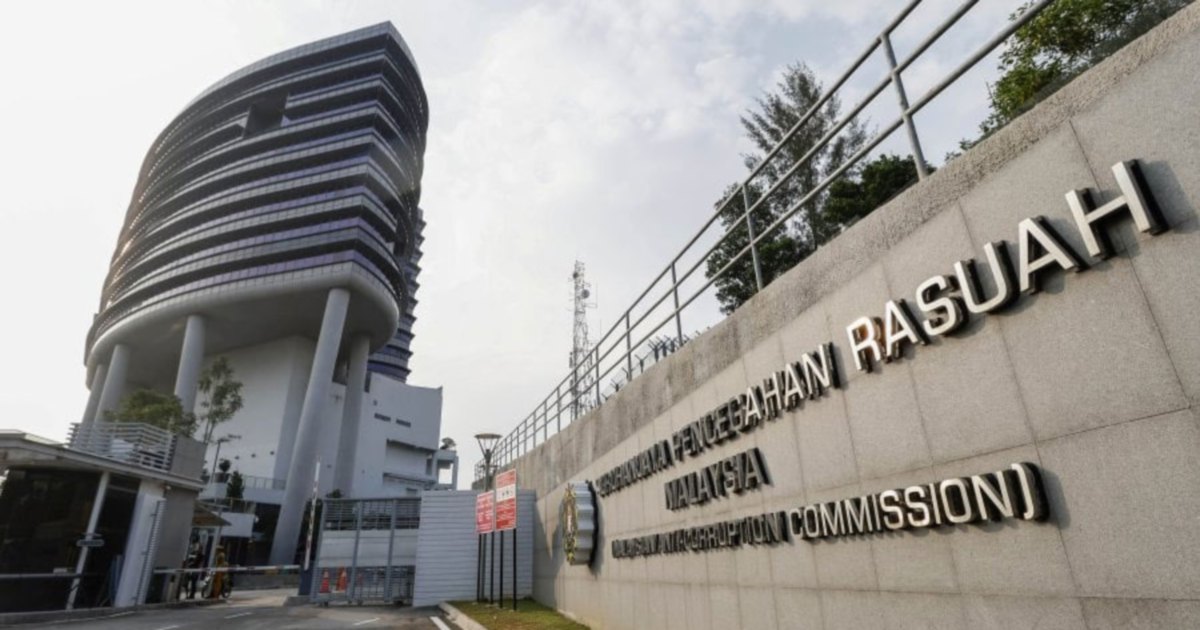
The Malaysian Anti-Corruption Commission (MACC) has widened its scrutiny of a major financial mishap at the Retirement Fund Inc (KWAP) by conducting an on-site investigation at the pension fund's Kuala Lumpur headquarters this week. The intervention centres on the institution's substantial RM200 million loss stemming from its investment exposure to eFishery, an Indonesian aquaculture technology enterprise that has become the focal point of a growing accountability question within Malaysia's pension sector.
The aquaculture sector has attracted considerable institutional investment across Southeast Asia over the past decade as demographic pressures and food security concerns have elevated aquaculture's profile among fund managers seeking exposure to sustainable agriculture and food production themes. eFishery's positioning as a technology-enabled solution within this space evidently held appeal for KWAP's investment committee, yet the magnitude of the reported loss signals either a significant misjudgement of the company's fundamentals or operational transparency issues that merit formal investigation.
KWAP, which manages retirement savings for Malaysian public sector employees and their beneficiaries, operates under heightened governance expectations given its fiduciary responsibilities to millions of contributors whose retirement security depends on prudent fund management. The pension fund's investment decisions affect not merely institutional balance sheets but the future security of Malaysia's civil service workforce, making any loss of this magnitude a matter of considerable public concern. This intersection of personal retirement welfare and institutional accountability has likely prompted the MACC's prioritisation of the probe.
The nature of MACC's involvement suggests investigators are examining whether protocols governing investment approval, risk assessment, and due diligence were properly followed before capital was committed to eFishery. Questions may extend to whether conflicts of interest, inadequate board oversight, or gaps in the institution's governance framework enabled an investment decision that subsequently resulted in substantial losses. The on-site visit typically represents a phase in investigations where authorities seek access to documentation, records of decision-making meetings, and supporting investment analysis.
Indonesian technology ventures, while representing an economically dynamic asset class for regional investors, can present particular challenges in terms of regulatory transparency and corporate governance standards. eFishery's operational environment in Indonesia, combined with the inherent risks associated with early-stage technology ventures in emerging markets, may warrant examination of whether KWAP's risk management systems adequately weighted these factors. The loss itself raises questions about the timeline of its discovery and whether earlier intervention might have mitigated exposure.
For Malaysian retirement funds and institutional investors more broadly, this investigation carries implications for how governance frameworks and investment decision-making processes are evaluated by regulatory authorities. Enhanced scrutiny of cross-border investments in Southeast Asian technology companies may lead to tighter internal controls, more rigorous due diligence requirements, and potentially more conservative positioning in early-stage ventures domiciled in lower-transparency jurisdictions. These shifts could reshape Malaysian institutional investment patterns across the region.
The MACC's engagement signals that Malaysian authorities are treating this matter with the seriousness befitting a substantial loss of public-sector retirement funds. The commission's investigation powers, including authority to examine documents and interview relevant personnel, position it to establish a clear factual record of how the investment decision occurred and what safeguards were or were not in place to protect fund assets. The investigation's findings will likely inform whether administrative, governance, or potentially criminal accountability measures are warranted.
Stakeholders within Malaysia's fund management and pension administration sectors are likely monitoring this investigation closely, as its conclusions may precipitate formal guidance from Bank Negara Malaysia, the Securities Commission, or the Ministry of Finance regarding investment governance standards. Any systemic gaps identified could trigger policy adjustments affecting how institutional investors approach ventures in less-regulated markets or early-stage technology enterprises with limited operating history.
The broader Southeast Asian investment community will also be observing the investigation's trajectory, as Malaysia's handling of institutional investment accountability may influence how neighbouring countries approach similar governance questions. Regional fund managers increasingly engage in cross-border investments throughout ASEAN, and clarity on accountability standards and enforcement expectations in one jurisdiction provides useful signals to institutional investors elsewhere in the region.
As the MACC pursues its investigation, the focus extends beyond determining how RM200 million in retirement savings was lost to establishing institutional accountability mechanisms that can detect and prevent similar occurrences. For Malaysia's civil service workforce and broader public sector pension system participants, the investigation's credibility and thoroughness will contribute to maintaining confidence in institutional investment management and fiduciary stewardship of retirement capital. The coming weeks will likely reveal whether systemic governance failures occurred or whether the loss resulted from legitimate but ultimately unsuccessful risk-taking within acceptable institutional parameters.

