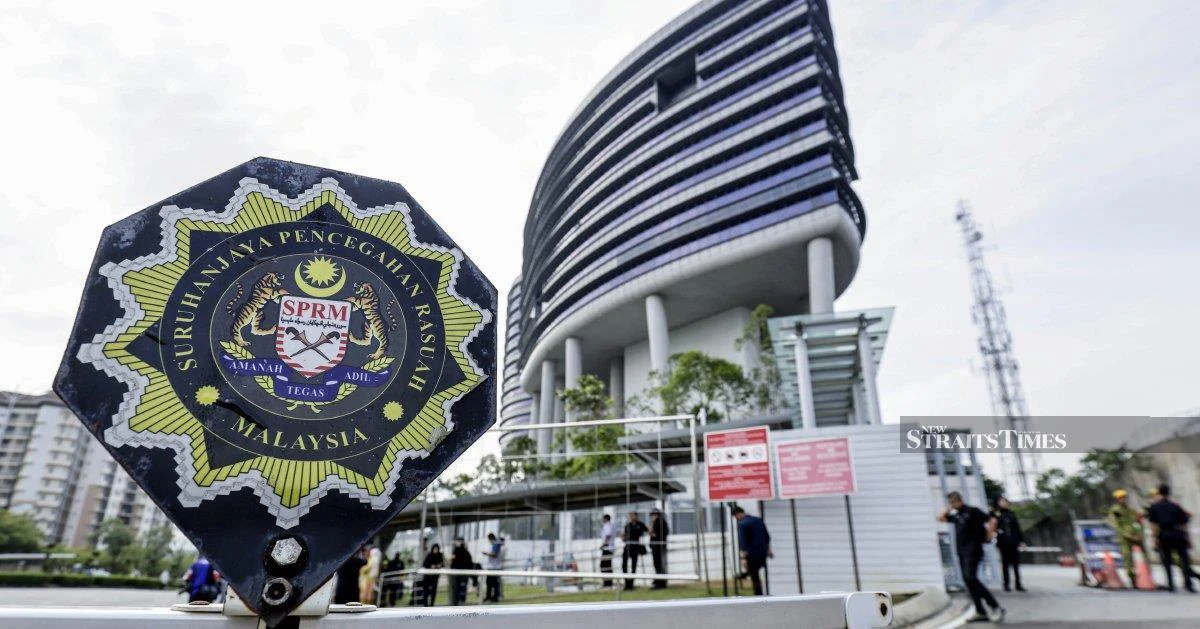
The Malaysian Anti-Corruption Commission has launched a dedicated inquiry into structural and procedural deficiencies within the Daya Kerjaya 2.0 employment incentive programme, signalling a shift toward examining institutional failures alongside suspected financial wrongdoing. The investigation will focus on governance lapses that may have enabled or facilitated alleged fraudulent benefit claims estimated at RM9 million, according to MACC officials in Kuala Lumpur.
Daya Kerjaya 2.0 represents a significant government initiative designed to subsidise employment costs and encourage businesses to hire workers during economic downturns. The scheme offered employers financial incentives to retain or expand their workforce, making it a central component of Malaysia's post-pandemic economic recovery strategy. Its vulnerability to fraud raises serious questions about implementation safeguards and internal controls across the programme's operational structure.
The scale of alleged irregularities suggests potential systemic weaknesses rather than isolated incidents of misconduct. When fraud allegations reach RM9 million within a government employment assistance programme, it typically indicates that verification mechanisms failed at multiple checkpoints—from initial application processing through to benefit disbursement and claims verification stages. The MACC's decision to probe governance architecture reflects recognition that procedural gaps created conditions enabling fraudsters to exploit the scheme.
Such investigations serve a broader accountability function beyond prosecuting individual wrongdoers. By examining how processes functioned and where controls broke down, the MACC contributes to institutional learning that can strengthen future government assistance programmes. Employment incentive schemes operate across Southeast Asia, and governance failures in one jurisdiction often signal vulnerabilities affecting similar programmes regionally, making Malaysia's experience relevant to neighbouring countries implementing comparable support mechanisms.
The involvement of anti-corruption authorities in examining programme governance also underscores growing recognition that corruption extends beyond bribery or direct embezzlement. Systemic weaknesses that enable fraud—inadequate documentation requirements, insufficient cross-checking between agencies, weak audit trails, or insufficient verification of employer claims—constitute governance failures that demand institutional remedies alongside criminal sanctions. This comprehensive approach targets the infrastructure that permits dishonesty rather than merely punishing individual perpetrators.
Daya Kerjaya 2.0 operates within Malaysia's broader employment support ecosystem, coordinating with the Ministry of Human Resources and other government agencies responsible for labour market policy. Governance weaknesses identified in this investigation may have implications for how similar programmes function across these institutions. The MACC findings could trigger process reforms affecting multiple government departments, particularly those managing direct financial assistance to employers or workers.
From a Malaysian business perspective, fraud allegations within employment assistance schemes create collateral damage beyond the immediate financial loss. Legitimate employers participating in Daya Kerjaya 2.0 face reputational risk if the programme becomes associated with widespread fraud. Additionally, genuine businesses competing for workers with fraudulent competitors gain no pricing advantage, potentially discouraging participation in future government support initiatives. Restoring confidence requires transparent investigation and demonstrable process improvements.
The timing of this governance inquiry reflects broader patterns observed in government assistance programmes launched during economic crises. When schemes prioritise rapid disbursement to support struggling businesses and workers, verification procedures sometimes receive insufficient attention. Post-implementation audits frequently reveal that speed of execution conflicted with control mechanisms, creating windows for fraud. Daya Kerjaya 2.0 likely faced such pressures during its rollout, potentially explaining how substantial fraudulent claims evaded detection initially.
International experience demonstrates that employment incentive programmes require carefully calibrated governance structures balancing accessibility with accountability. Too-stringent verification requirements discourage legitimate participation, while insufficient controls enable fraud. The MACC investigation will establish where Daya Kerjaya 2.0 fell on this spectrum and whether governance failures reflected deliberate policy choices or implementation oversights. These findings will inform design of future employment assistance mechanisms across Malaysia's government agencies.
As the investigation progresses, policymakers should consider whether governance weaknesses stemmed from inadequate initial planning, insufficient resourcing of verification functions, or technological limitations in monitoring benefit claims. Each diagnosis demands different remedial responses. Strengthening governance in government assistance programmes ultimately serves national interest by protecting public resources, maintaining programme integrity, and preserving business confidence in government support mechanisms that sustain employment during economic uncertainty.
The MACC's focus on institutional architecture rather than solely pursuing individual perpetrators signals a maturing approach to anti-corruption work in Malaysia. Effective governance frameworks prevent fraud more economically than prosecution alone, and examining how Daya Kerjaya 2.0 systems failed offers valuable lessons applicable across Malaysia's extensive portfolio of government assistance and incentive programmes. This investigation may therefore yield dividends extending far beyond the RM9 million in disputed claims, ultimately strengthening institutional capacity throughout Malaysian government.