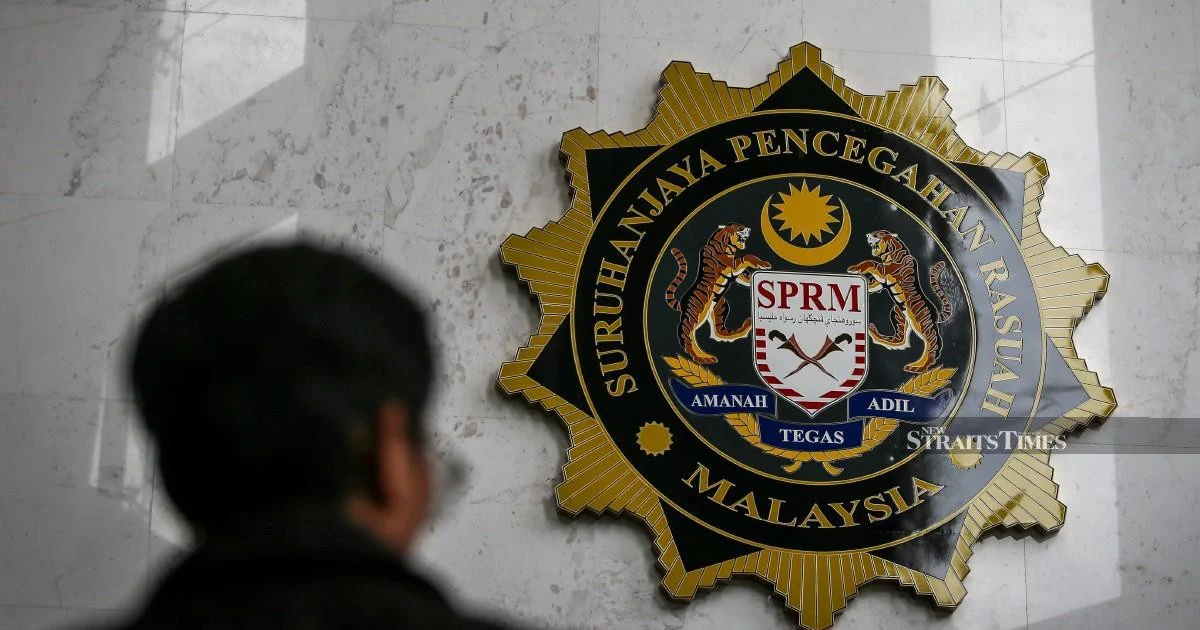
The Malaysian Anti-Corruption Commission has established a comprehensive anti-corruption infrastructure across Johor ahead of the 16th state election, deploying five dedicated operation rooms designed to function continuously throughout the electoral period. This strategic deployment marks a significant commitment by the anti-graft agency to maintain electoral integrity during a critical political contest in Malaysia's second-largest state by population.
The network of operation centres will serve as accessible reporting hubs for residents across Johor who suspect corrupt practices or abuse of power by candidates, party officials, or government representatives during the election campaign. By distributing five operation rooms throughout the state rather than centralising resources, the MACC aims to reduce barriers to reporting and encourage greater public participation in combating election-related malfeasance. The 24-hour operational model ensures that allegations can be lodged at any time, recognising that electoral misconduct often occurs outside standard business hours and may involve nighttime activities such as cash handovers or clandestine meetings.
Johor's status as Malaysia's richest state by revenue and a powerhouse of economic activity amplifies the importance of maintaining clean elections. The state generates substantial income from ports, oil and gas operations, and manufacturing, making it particularly susceptible to corruption involving resource allocation and contract awards. Election periods historically witness heightened pressure on public officials to secure funding for campaign machinery, potentially creating conditions where procurement irregularities and illicit financial flows occur. MACC's proactive stance recognises these structural vulnerabilities in the state's political economy.
The deployment of multiple operation rooms reflects international best practices in electoral monitoring and corruption prevention. By establishing a physical presence across the state's diverse geography—from urban centres to rural areas—the MACC reduces the likelihood that geographical remoteness will prevent citizens from reporting suspicious activities. Previous elections have occasionally generated complaints about the difficulty of accessing anti-corruption mechanisms, particularly in districts far from state capital Johor Baru. This expanded infrastructure directly addresses such access gaps.
Election-related corruption in Malaysian state contests has traditionally encompassed vote-buying, false campaign financing declarations, illegal corporate donations, and misuse of government resources for partisan purposes. The MACC's positioning as an independent institution separate from the police and electoral commission aims to assure complainants of confidential, professional investigation. Public confidence in the agency's impartiality remains crucial, as public fear of reprisal or partisan prosecution would discourage legitimate whistleblowing.
The timing of this announcement signals that electoral authorities are treating the Johor state election with heightened scrutiny regarding governance standards. State elections often involve intense competition between established parties and emerging challengers, with significant stakes for state control and resource distribution. The creation of dedicated operation rooms before the campaign formally commences indicates that anti-corruption measures are being positioned as foundational to electoral legitimacy rather than reactive responses to allegations that emerge during voting.
For Malaysian voters, the existence of accessible reporting mechanisms may influence electoral behaviour by creating confidence that their concerns about malpractice will receive institutional attention. This psychological dimension matters as much as the actual investigation capacity, as perceptions of clean elections contribute to democratic legitimacy and public acceptance of outcomes. In a state where electoral competition can be intensely contested, such assurances become particularly valuable.
The operation rooms will likely be staffed with trained MACC personnel capable of receiving complaints, conducting preliminary assessments, and initiating investigations where sufficient evidence exists. Staff will require familiarity with electoral law, the Malaysia Election Commission's regulations, and proper investigative protocols to ensure that allegations receive appropriate follow-up. The agencies coordination between MACC and the Election Commission will determine how effectively information flows and investigations proceed without duplicating efforts.
International observers monitoring Malaysian elections frequently assess anti-corruption mechanisms as indicators of electoral quality. The visible deployment of MACC resources demonstrates Malaysia's institutional commitment to combating electoral fraud and financial misconduct. This visibility has value beyond the immediate election period, as it strengthens Malaysia's international reputation regarding democratic governance and anti-corruption efforts—matters of increasing importance as regional geopolitical competition involves reputational dimensions.
Citizens considering whether to lodge complaints will weigh the credibility and independence they attribute to the MACC. The agency has prosecuted cases involving politicians and officials from multiple parties, which has generally supported its institutional credibility, though some segments of the electorate remain sceptical about whether complaints against certain groups receive equal treatment. The operation rooms' success will ultimately depend on whether alleged corruption is investigated and prosecuted consistently regardless of party affiliation.
The 16th Johor state election represents an important moment for testing the state's electoral institutions and anti-corruption capacity. Voters will be evaluating not only the competing parties' visions but also the broader institutional environment in which the election operates. By establishing comprehensive mechanisms to receive and investigate corruption allegations, the MACC contributes to an environment where electoral choice reflects voter preferences rather than financial manipulation or coercive pressure.

