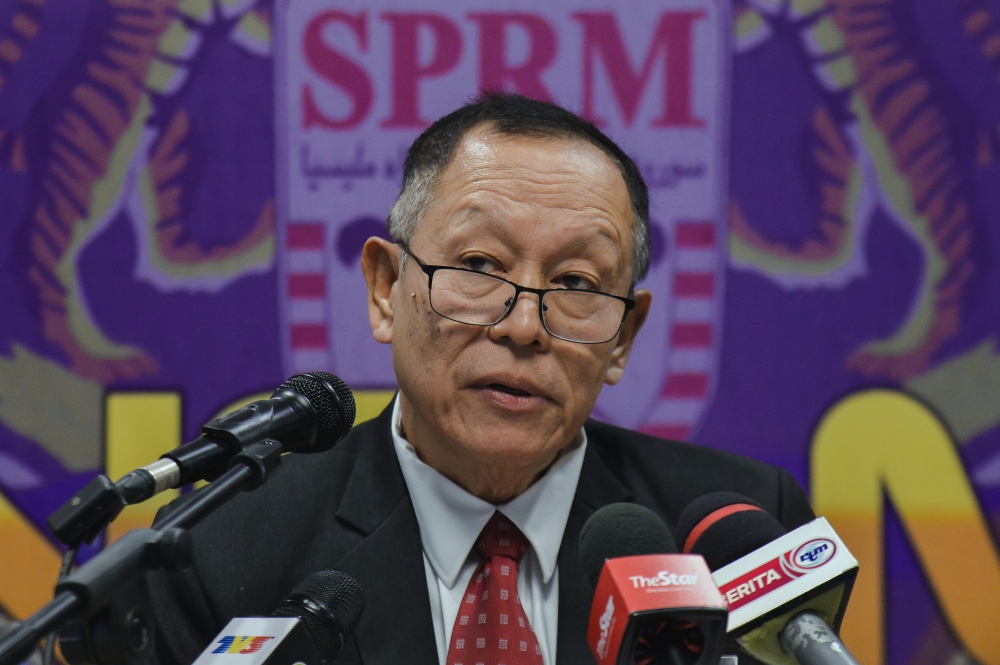
The Malaysian Anti-Corruption Commission (MACC) is exploring the possibility of enlisting international forensic specialists to support its expanding investigation into Tabung Haji, signalling the complexity and scale of the probe into Malaysia's pilgrimage fund. The decision comes after the anti-corruption watchdog has already conducted extensive preliminary work, interviewing 115 witnesses and detaining seven suspects as it seeks to unravel what appears to be a multifaceted financial scandal affecting one of the nation's most significant Islamic institutions.
Tabung Haji, formally known as Lembaga Tabung Haji, serves as Malaysia's dedicated savings institution for prospective pilgrims and holds enormous economic and religious significance for the country's Muslim majority. The fund manages billions of ringgit in deposits from millions of Malaysians who have entrusted their hajj savings to the organisation. Allegations of mismanagement and potential financial irregularities at such an institution carry far-reaching implications, touching not only the livelihoods of individual savers but also Malaysia's reputation regarding the stewardship of Islamic financial institutions.
The investigation's scope becomes apparent when considering the scale of witness engagement thus far. Interviewing 115 individuals represents an extraordinarily comprehensive preliminary inquiry, suggesting that investigators have identified numerous potential avenues of concern and layers of involvement requiring clarification. Each witness statement likely contributes to building a complex picture of transactions, decision-making processes, and potential breaches of protocol within the organisation's operations during the period under examination.
The detention of seven suspects marks a critical juncture in the probe, indicating that MACC investigators have established sufficient grounds to believe certain individuals warrant closer scrutiny. The circumstances surrounding their detention—including the charges, if any, and their positions within Tabung Haji—remain crucial details that will influence public understanding of the investigation's direction. The commission's decision to seek foreign forensic expertise suggests that some aspects of the case may require specialised technical knowledge beyond what local resources currently provide.
Engaging international forensic consultants would represent a significant escalation in investigative approach and resource commitment. Such specialists typically bring expertise in complex financial analysis, digital forensics, document authentication, and other technical disciplines that can prove invaluable in unravelling intricate financial schemes or identifying patterns of misconduct obscured through layered transactions or deliberate obfuscation. This move also underscores the MACC's commitment to maintaining investigative integrity and international standards, ensuring that any findings will withstand rigorous scrutiny both domestically and internationally.
For Malaysia, the Tabung Haji investigation carries implications extending beyond anti-corruption enforcement. The case will test public confidence in institutional oversight mechanisms and the government's ability to protect citizens' savings when entrusted to state-linked entities. The outcome will likely influence how Malaysians view the governance of Islamic financial institutions more broadly, particularly as the nation develops its Islamic finance sector, which is a key pillar of its economic diversification strategy.
The investigation also reflects broader concerns about financial governance within Malaysia's public sector. The willingness to engage external expertise demonstrates recognition that fighting sophisticated financial crimes requires leveraging the best available tools and knowledge, even if that means turning to foreign specialists. This pragmatic approach contrasts with any perception that authorities might be attempting to contain the investigation within narrow confines.
Covering such investigations requires balancing transparency with the integrity of ongoing inquiries. While the MACC's heavy engagement with witnesses and suspects suggests substantial momentum, the decision to explore forensic assistance indicates that crucial investigative work remains incomplete. The coming weeks and months will prove critical in determining whether foreign experts become formally engaged and what their involvement might reveal about the case's true dimensions.
The geographic location of Kuching, where these announcements were made, underscores that the investigation has attracted national attention across Malaysia's regions, indicating the widespread impact of Tabung Haji's reach throughout the country. For many Malaysians, particularly those in East Malaysia, Tabung Haji represents an important financial vehicle for fulfilling religious obligations, making the institution's integrity a matter of personal significance to millions.
As the investigation progresses, stakeholders—from individual account holders to financial regulators to Islamic finance institutions—will be watching closely. The MACC's methodical approach and openness to international cooperation suggest that no stone will be left unturned in determining what occurred and ensuring accountability where warranted. The potential deployment of foreign forensic expertise signals that investigators are prepared to go as far as necessary to establish facts, investigate wrongdoing, and restore public confidence in Tabung Haji's governance and financial management practices.

