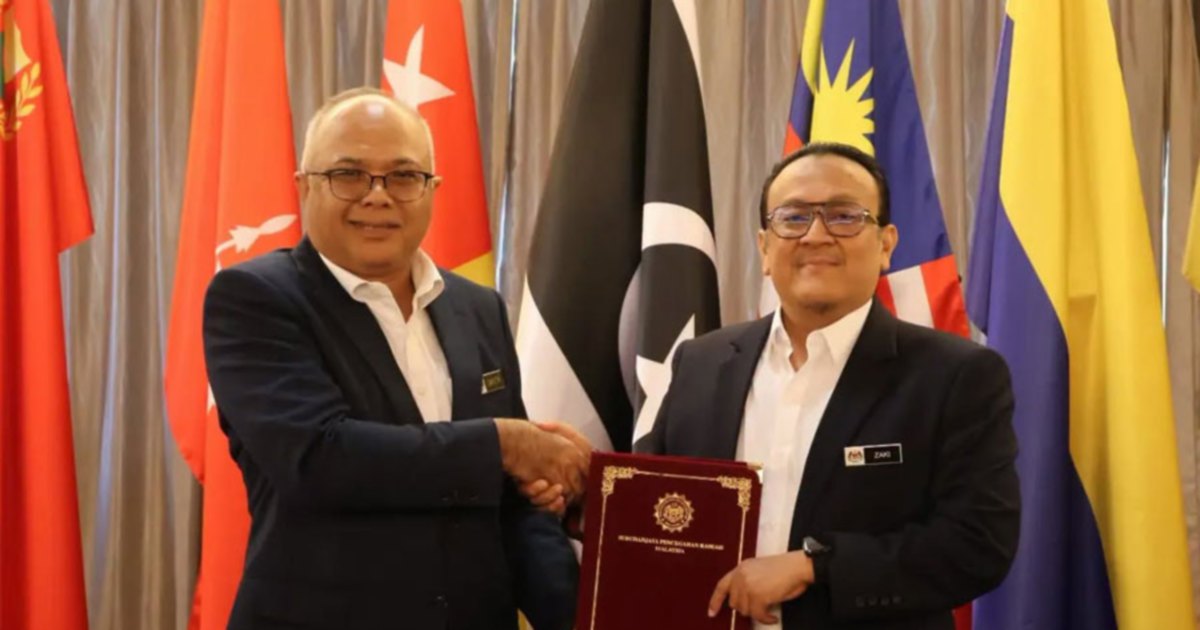
The Malaysian Anti-Corruption Commission has unveiled a comprehensive framework of six governance reforms designed to fortify the Cooking Oil Price Stabilisation Scheme, signalling heightened regulatory attention to a subsidy programme long plagued by unauthorised diversions and market distortions. The proposed improvements focus on enhancing transparency, tightening oversight mechanisms, and establishing clearer accountability structures across the supply chain that distributes subsidised cooking oil to Malaysian households and food businesses.
Cooking oil subsidies represent a substantial fiscal burden on the federal government, with annual expenditures running into the hundreds of millions of ringgit. However, persistent leakage—where subsidised oil intended for domestic consumption finds its way into export markets or is illegally diverted for commercial gain—has undermined the scheme's effectiveness and eroded its intended benefits. The MACC's intervention reflects growing frustration among policymakers about the inability of existing frameworks to prevent such diversions, which simultaneously drain public resources and create unfair competitive advantages for unscrupulous traders.
The governance shortcomings identified by the commission point to systemic vulnerabilities in how the subsidy scheme operates across multiple levels. Distribution networks, regulatory checkpoints, and verification systems have historically operated in silos, creating blind spots that enable sophisticated diversion networks to operate with relative impunity. By proposing integrated reforms, the MACC seeks to establish a more cohesive oversight architecture where information flows freely between agencies and suspicious activities trigger rapid investigation and enforcement responses.
One critical dimension of the proposed reforms concerns improving data collection and sharing mechanisms among relevant agencies. Currently, the Ministry of Domestic Trade and Cost of Living, the Ministry of Agriculture, customs authorities, and local enforcement bodies maintain separate databases that rarely communicate effectively. This fragmentation means that patterns of suspicious activity—such as unusually high oil purchases by particular distributors followed by sudden export shipments—may go unnoticed or detected only after significant quantities have already been diverted. Establishing real-time intelligence systems would enable regulators to identify anomalies quickly and intercept illicit flows before they reach international markets.
The reforms also address the licensing and accreditation standards for participants in the cooking oil subsidy distribution chain. Currently, entities involved in supplying, transporting, and retailing subsidised oil operate under varying compliance requirements, creating inconsistency that clever operators exploit. The MACC proposes establishing more rigorous baseline standards for all licensees, coupled with regular audits to verify ongoing compliance. This would include stricter requirements for financial record-keeping, inventory management, and the physical security of storage facilities where subsidised oil awaits distribution.
Enforcement capacity represents another focal point of the proposed governance enhancements. The commission recognises that existing regulatory bodies lack sufficient resources and coordination to conduct comprehensive monitoring across the entire supply chain. The reforms likely include recommendations for expanded inspection authority, cross-agency task forces specialising in subsidy fraud, and enhanced penalties for violations that deter would-be offenders. Without credible enforcement, even well-designed regulatory frameworks lose effectiveness as participants calculate that the benefits of non-compliance outweigh the risks of detection and punishment.
The economic implications of cooking oil subsidy leakage extend beyond simple fiscal waste. When subsidised oil destined for Malaysian consumers instead reaches export markets or informal economies, it depresses prices for legitimate domestic producers and processors, damaging their competitiveness and profitability. Small and medium-sized enterprises in the food manufacturing sector, which rely on stable cooking oil supplies at predictable prices, face disadvantages competing against larger operators with better connections to diversion networks. Conversely, traders engaged in illegal diversions accumulate competitive advantages and market share through illicit channels rather than operational efficiency or product quality.
For Malaysian consumers, unchecked subsidy leakage translates into inadequate domestic supply. When the market cannot reliably access subsidised oil at controlled prices, retail prices drift upward and shortages emerge at supermarkets and wet markets. This forces households to absorb higher food costs and volatility, undermining the original public policy objective of the subsidy scheme, which aims to ease the financial burden of essential household commodities on lower and middle-income Malaysians. The MACC's reforms represent an acknowledgment that protecting the integrity of the subsidy system directly benefits consumers who depend on it.
The Southeast Asian context adds another layer of complexity to Malaysia's cooking oil subsidy challenges. Neighbouring countries maintain their own subsidy regimes, creating arbitrage opportunities where traders buy subsidised Malaysian oil and export it to regional markets where higher prices prevail. Some reforming proposals likely include stronger export controls and verification mechanisms at ports to detect and prevent such cross-border diversion. Coordination with customs and port authorities becomes essential, as do enhanced penalties for illegal export of controlled commodities.
Implementation of the MACC's proposals will require sustained political will and inter-agency cooperation. Successfully tightening controls inevitably increases operational costs and administrative burden on regulators and legitimate business participants. Some industry stakeholders may resist compliance requirements they perceive as onerous or costly. However, the long-term fiscal and social benefits of reducing leakage far outweigh short-term friction. A more effective subsidy scheme ultimately protects both government finances and consumer welfare, creating space for resources to be directed toward other development priorities.
The governance reforms also signal to market participants that authorities are serious about enforcement and that participation in subsidy diversion carries genuine consequences. This perception shift, if backed by credible implementation, can alter incentive structures and encourage compliance even among actors previously comfortable operating in regulatory grey areas. The MACC's initiative thus represents both a technical governance upgrade and a broader reassertion of state capacity to manage public resources effectively in the face of sophisticated economic schemes designed to undermine policy objectives.

