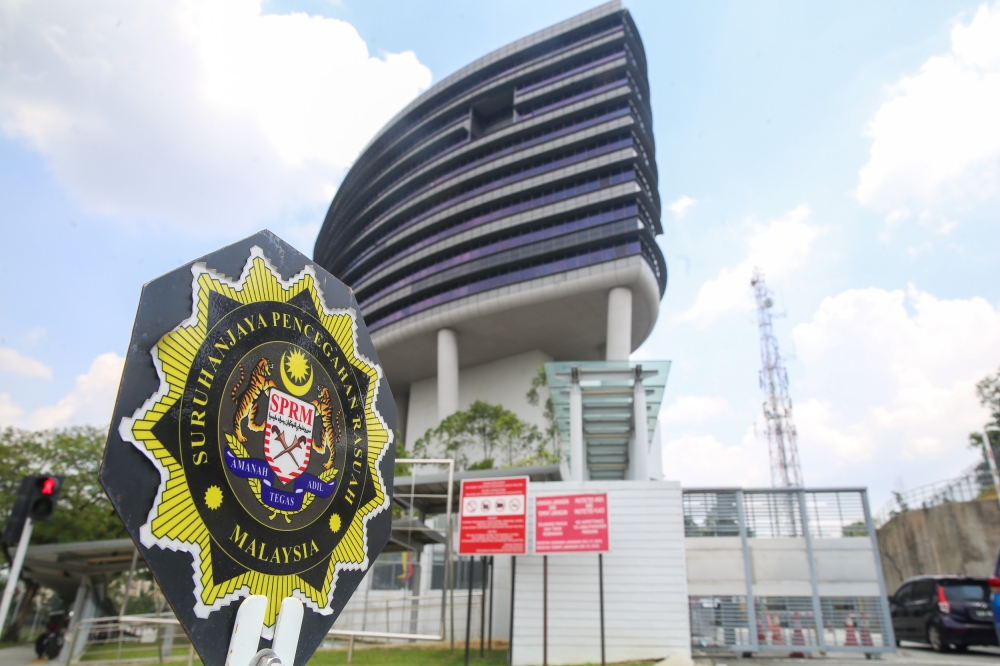
The Malaysian Anti-Corruption Commission has intensified its push for enhanced whistleblower protections across government ministries, recognising that systematic safeguards for those who expose wrongdoing are essential to bolstering the country's anti-corruption credentials. The initiative, unveiled during engagement sessions with ministry secretaries-general, reflects a growing recognition that individuals willing to report illicit activities face genuine risks to their careers, safety, and reputation—risks that can only be mitigated through institutionalised protective measures embedded within government structures.
This coordinated approach comes at a strategic moment for Malaysia, which is actively positioning itself to achieve meaningful improvements on the Corruption Perceptions Index, a widely-cited international benchmark that shapes investor confidence, donor relations, and the nation's soft power standing. The CPI, published annually by Transparency International, ranks countries based on perceptions of public-sector corruption, making it a significant barometer of institutional integrity. Malaysia's current standing reflects historical challenges in enforcement consistency and accountability mechanisms, challenges that cannot be adequately addressed without addressing the structural vulnerabilities that silence potential witnesses to misconduct.
The MACC's advocacy underscores a fundamental truth about corruption investigations: evidence and testimony from insiders often provide the most reliable pathways to substantiating wrongdoing. Public servants, contractors, and officials who witness irregularities in procurement processes, fund management, or personnel decisions possess first-hand knowledge that external investigators cannot easily obtain. However, the decision to come forward remains fraught with occupational jeopardy. Reprisals—whether through reassignment, performance reviews weaponised against whistleblowers, or marginalisation within departmental hierarchies—create chilling effects that discourage reporting and allow corrupt practices to continue unchecked.
The engagement with secretaries-general is particularly significant because these individuals serve as the administrative heads of their respective ministries and wield considerable influence over departmental culture and compliance frameworks. Their commitment to whistleblower protection can determine whether supportive policies exist only on paper or translate into lived practices. This top-level buy-in is essential: without explicit signals from leadership that reporting misconduct will not result in career damage, even well-intentioned legal protections remain ineffective.
Malaysia's existing whistleblower framework, while legislatively sound, has historically suffered from implementation gaps and awareness deficits. The Whistleblower Protection Act 2010, though comprehensive in its provisions, remains underutilised partly because potential informants lack confidence in its enforcement and partly because departmental cultures have not evolved to genuinely welcome reports of wrongdoing. The MACC's current initiative seeks to bridge this implementation gap by ensuring that ministry leaders actively communicate their commitment to protecting those who report irregularities and establish transparent channels for reporting that minimise risks of exposure or retaliation.
From a regional perspective, Malaysia's efforts to strengthen whistleblower protections align with broader Southeast Asian trends toward improved governance standards. Neighbouring jurisdictions have recognised that credible anti-corruption architecture requires not only effective enforcement agencies but also mechanisms that enable grassroots accountability. Singapore's model of institutionalised anti-corruption culture, for instance, benefits partly from strong whistleblower protections that encourage early reporting of irregularities before they metastasise into systemic problems. Malaysia's push signals a willingness to adopt similar best practices, potentially reshaping competitive dynamics in regional investment and international standing.
The connection between whistleblower protection and CPI rankings reflects a nuanced understanding of how corruption metrics are constructed. While the CPI relies partly on surveys of business executives and analysts, it also incorporates assessments of institutional frameworks and enforcement track records. Countries demonstrating robust whistleblower protections, transparent reporting mechanisms, and effective follow-up on allegations score higher because these elements collectively suggest functioning systems of accountability. By publicly committing to strengthening these protections, Malaysia is not merely pursuing short-term perception management but investing in substantive institutional reforms with long-term implications.
Implementation challenges remain significant. Some ministry officials may view whistleblower protections as threatening to their operational autonomy or departmental esprit de corps. Concerns about morale and inter-departmental dynamics could create resistance to systematic reporting frameworks. The MACC must therefore frame whistleblower protections not as adversarial mechanisms but as systems that ultimately protect organisations by enabling early detection and correction of problems. This reframing requires sustained communication and, importantly, demonstration through cases where individuals who report misconduct experience genuine protection and career advancement rather than marginalisation.
The financial and operational implications of strengthening whistleblower protections are modest compared to broader anti-corruption investments. Secure reporting channels, confidentiality protocols, and oversight mechanisms require relatively straightforward infrastructure modifications. What they demand instead is cultural shift—a recognition that organisations benefit when insiders feel empowered to flag problems early rather than allowing misconduct to fester. For Malaysian ministries accustomed to more hierarchical and inward-looking cultures, this shift represents meaningful governance evolution.
The timing of the MACC's initiative also reflects sensitivity to Malaysia's position within international development finance networks. Bilateral and multilateral donors increasingly incorporate governance indicators into funding decisions, and countries perceived as strengthening transparency mechanisms receive preferential treatment in grant allocations and technical assistance partnerships. By demonstrating concrete progress on whistleblower protections, Malaysia enhances its attractiveness to development partners and positions itself competitively within ASEAN for foreign direct investment flows, particularly from ESG-conscious multinational corporations.
Looking forward, the success of this initiative will depend on sustained commitment from multiple stakeholders. Beyond ministry secretaries-general, implementation requires buy-in from departmental heads, human resources personnel, and investigation units. The MACC itself must develop capacity to handle complaints confidentially and investigate allegations thoroughly, ensuring that reports result in action rather than languishing in bureaucratic channels. Equally important is public communication demonstrating that whistleblower reports have led to substantive consequences for wrongdoers, creating documented evidence that reporting mechanisms function effectively. Without this visible demonstration of consequences, even the most carefully constructed protections will fail to inspire confidence among potential witnesses to misconduct.

