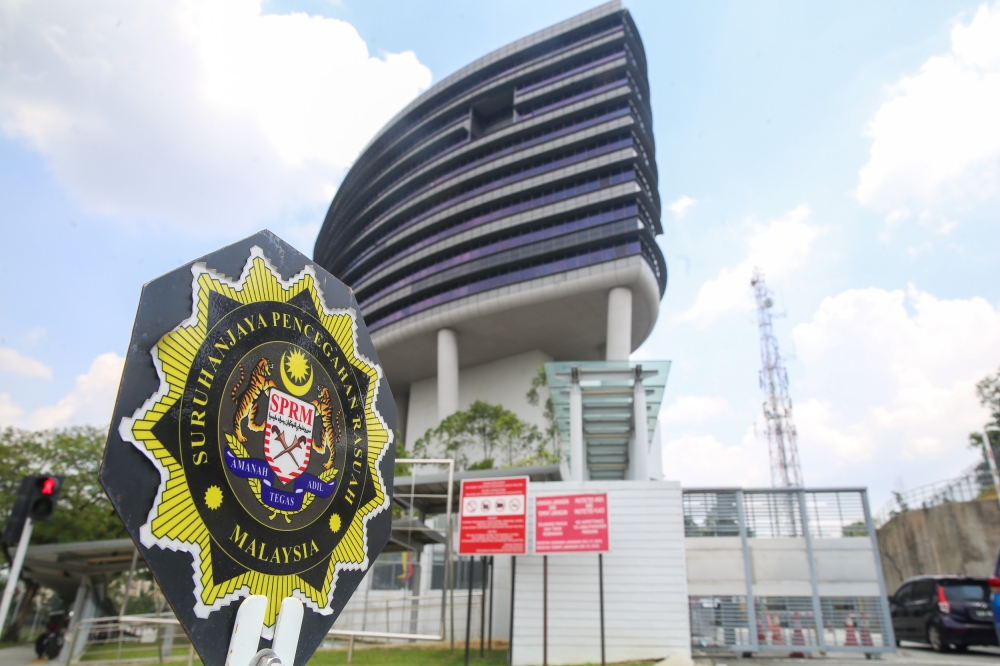
The Malaysian Anti-Corruption Commission has embarked on a significant technological modernisation drive, prioritising the development of advanced digital forensics capabilities designed to identify deepfakes created through artificial intelligence and detect tampered evidence presented in corruption cases. This expansion of technical infrastructure represents a strategic recognition that conventional investigation methods must evolve alongside increasingly sophisticated digital deception techniques that corrupt individuals and organised crime networks are deploying to obstruct justice.
The initiative, based in Putrajaya, reflects a growing global concern among law enforcement and anti-corruption bodies that deepfake technology—synthetic media generated by machine learning algorithms—poses an unprecedented challenge to evidence authentication. As deepfake creation tools become more accessible and convincing, their potential misuse in corruption cases has escalated sharply. MACC's proactive response demonstrates awareness that Malaysia's corruption investigation framework cannot rely solely on traditional forensic methods when confronted with AI-manipulated materials that can deceive even experienced investigators.
Digital manipulation of evidence has become increasingly commonplace in high-stakes cases where substantial financial interests motivate the fabrication of false audio recordings, video sequences, or photographic evidence. Deepfakes in particular can undermine credibility of witnesses, create fictitious conversations between officials and alleged accomplices, or manufacture visual proof of transactions that never occurred. The MACC's strengthened forensics division will focus on developing analytical techniques to detect computational signatures, identify processing artifacts, and trace the origin of suspect digital materials through metadata analysis and algorithmic fingerprinting.
The commission's upgraded capabilities will encompass training staff in emerging forensic methodologies, acquiring sophisticated software and hardware tools designed to analyse compressed video files and audio recordings, and establishing protocols for authenticating digital evidence before presenting it in court proceedings. This technical advancement addresses a significant vulnerability in Malaysia's legal system, where the admissibility and reliability of digital materials in corruption prosecutions has occasionally faced challenges from defence counsel questioning authenticity and chain-of-custody procedures for electronic files.
Southeast Asia has witnessed multiple high-profile cases where sophisticated digital manipulation complicated investigations, and Malaysia is not insulated from these trends. As corruption networks grow more technologically adept, particularly those operating across borders, the ability to distinguish authentic digital evidence from artificially generated materials becomes fundamental to successful prosecution. MACC's investment in forensic capabilities positions the commission to maintain investigative effectiveness even as perpetrators employ increasingly advanced concealment and deception strategies.
The enhancement also acknowledges that deepfakes represent a dual threat to anti-corruption work: they can be weaponised both to fabricate false evidence against honest officials and to discredit genuine evidence against corrupt ones. Bad actors might deploy deepfakes to create scandals around reform-minded officials or to undermine public confidence in anti-corruption institutions themselves. By developing robust detection mechanisms, MACC strengthens its institutional credibility and demonstrates commitment to evidence integrity that underpins public trust in the justice system.
International collaboration will likely feature prominently in MACC's forensics modernisation. Intelligence and law enforcement agencies across developed nations have been rapidly advancing deepfake detection research, and Malaysia can benefit from knowledge transfer, shared best practices, and cooperative arrangements that leverage global expertise. Regional coordination among ASEAN anti-corruption bodies could also establish consistent standards for digital evidence authentication, preventing corrupt networks from exploiting jurisdictional differences in forensic requirements.
The commission's investment reflects recognition that artificial intelligence presents law enforcement with both opportunities and dangers. While deepfake technology itself is neutral, its weaponisation in corruption cases demands technological countermeasures. MACC's initiative parallels similar efforts undertaken by Singapore's Corrupt Practices Investigation Bureau and other regional anti-corruption agencies responding to evolving criminal methodologies. Malaysia's move demonstrates commitment to matching technological sophistication with institutional advancement.
Courts will benefit significantly from the MACC's enhanced forensic capabilities. Judges presiding over corruption trials require reliable expert testimony regarding digital evidence authenticity, and the commission's forensic analysts can provide rigorous, scientifically grounded analysis that withstands adversarial scrutiny. This capacity directly strengthens prosecution cases and reduces successful challenges based on evidence credibility questions that previously might have derailed proceedings.
The broader implication extends beyond corruption investigation mechanics. Public confidence in Malaysia's anti-corruption infrastructure depends partly on perception that MACC possesses adequate technical resources to conduct thorough, state-of-the-art investigations. Citizens need assurance that corrupt officials cannot simply deploy sophisticated digital deception to escape accountability. The commission's technological upgrade thus carries symbolic significance alongside its practical investigative value, signalling that institutional commitment to fighting corruption includes continuous adaptation to emerging criminal technologies.
Looking forward, MACC's deepfake detection capabilities will likely become essential infrastructure as organised crime and white-collar criminals increasingly incorporate AI-generated materials into their schemes. The commission's proactive stance positions Malaysia favourably compared to jurisdictions still developing or planning comparable capabilities. For regional observers, Malaysia's investment demonstrates how anti-corruption bodies must embrace technological modernisation to maintain investigative effectiveness in an era when artificial intelligence fundamentally reshapes how evidence can be created, manipulated, and concealed.

