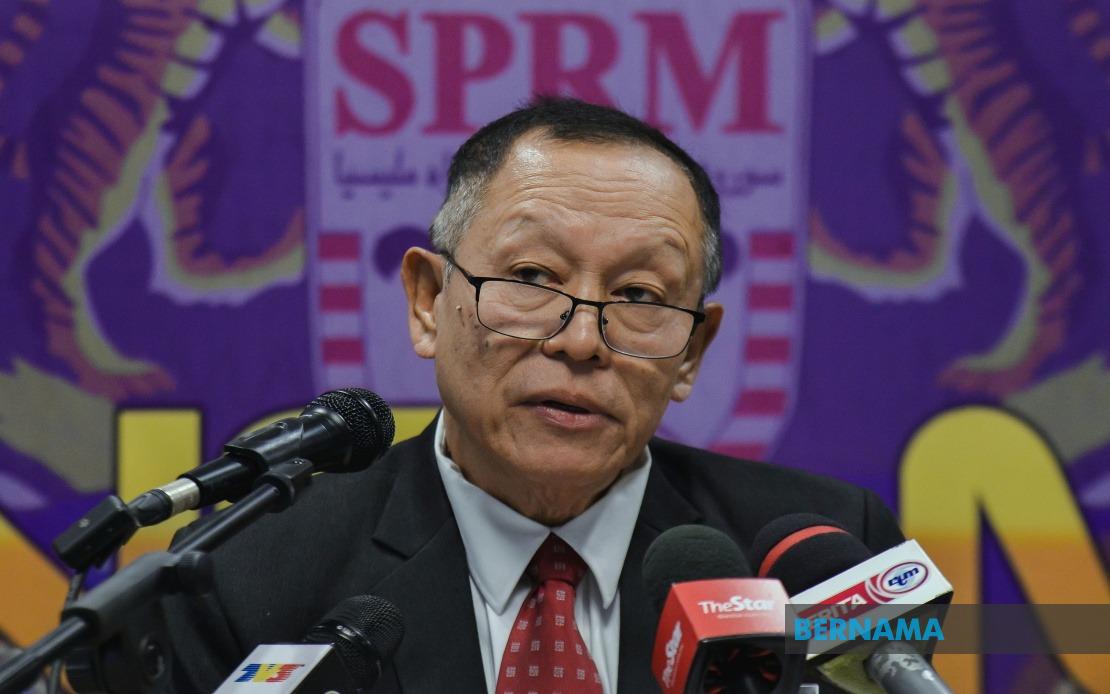
The Malaysian Anti-Corruption Commission has concluded a four-day interrogation of a former chief financial officer connected to Lembaga Tabung Haji, marking a significant milestone in the agency's investigation into alleged misconduct surrounding a controversial RM370 million share acquisition in two plantation companies. MACC chief commissioner Datuk Seri Abd Halim Aman confirmed on Wednesday that the statement-recording process wrapped up after intensive questioning sessions that began early Thursday morning and concluded at 6.30 pm.
The investigation centres on accusations that company officials abused their authority when executing the purchase of shares in the plantation entities, allegations that were highlighted in a damaging Royal Commission of Inquiry report examining Lembaga Tabung Haji's governance and financial management. The 60-year-old former CFO, whose identity has not been disclosed, came forward to provide testimony at the MACC headquarters in Putrajaya along with the company's former chief executive officer, who was also detained during the process. The coordinated questioning of both executives suggests investigators are building a comprehensive picture of the decision-making chain that led to the controversial transaction.
The RM370 million transaction has attracted intense scrutiny since the RCI's findings became public, raising serious questions about transparency and accountability in the management of Malaysia's Islamic pilgrimage fund. Lembaga Tabung Haji, which manages savings and investments for Muslims preparing for the Hajj pilgrimage, is a statutory body of considerable public significance, making any misuse of its resources a matter of national concern. The share purchases in plantation companies represented a substantial deployment of pilgrim funds, and regulators have sought to understand whether proper procedures were followed and whether the investments offered adequate returns to members.
The four-day interrogation represents an intensive fact-finding exercise by MACC investigators seeking to establish a detailed chronology of events, identify decision-makers, and secure testimony that may form the basis for criminal charges if warranted. By extending the questioning across multiple days, the commission appears to be exploring not only the technical aspects of the share purchase but also the motivations, communications, and approval processes involved. The completion of statement-recording from a high-ranking official such as a former CFO typically signals that investigators have obtained key admissions or explanations that will inform the next phase of their inquiry.
For Malaysian stakeholders and pilgrims who entrust their savings with Lembaga Tabung Haji, the investigation underscores broader concerns about the governance of large Islamic financial institutions and the safeguarding of public assets. The fund has faced criticism in recent years over investment performance and management decisions, and this latest controversy adds pressure on institutional leadership to demonstrate greater transparency and adherence to corporate best practices. The RCI report itself was a comprehensive review prompted by mounting concerns about the organisation's financial health and operational integrity.
The detention and subsequent questioning of senior executives signals that MACC investigators view the matter as sufficiently serious to warrant intensive engagement with individuals who held significant authority over the organisation's investment decisions. The systematic nature of the four-day process, with clearly defined start and end times, suggests a methodical approach to extracting detailed testimony while ensuring procedural compliance. Such extended interrogations are typically reserved for cases where investigators suspect deliberate wrongdoing rather than mere administrative error or poor judgment.
The timing of the investigation, coming months after the RCI report became public, reflects the standard investigative progression when formal inquiries raise suspicions of possible criminal conduct. MACC has the mandate and resources to examine allegations of abuse of power across government-linked agencies and statutory bodies, and its decision to pursue this matter demonstrates commitment to investigating high-profile cases that affect public confidence in institutional governance. The involvement of multiple executives suggests a pattern of conduct rather than isolated decisions by a single rogue official.
Looking ahead, the investigation will likely progress to either charging decisions or a determination that no criminal case exists. The statements recorded over the four-day period will form crucial evidentiary material, potentially supporting charges under the Malaysian Anti-Corruption Commission Act if investigators establish that officials acted dishonestly or with improper motives. For Lembaga Tabung Haji and the broader Islamic finance sector in Malaysia, the outcome of this investigation will carry implications for governance frameworks and oversight mechanisms.
The case also reflects the MACC's broader enforcement priorities in scrutinising investment decisions made by statutory bodies with substantial reserves and public trust. As Malaysia's Islamic finance industry continues to expand, maintaining rigorous standards for governance and accountability becomes increasingly important for sustaining investor confidence and meeting international best practices. This investigation serves as a reminder that entities managing collective assets face heightened regulatory scrutiny and that officials cannot assume that questionable decisions will escape official review.

