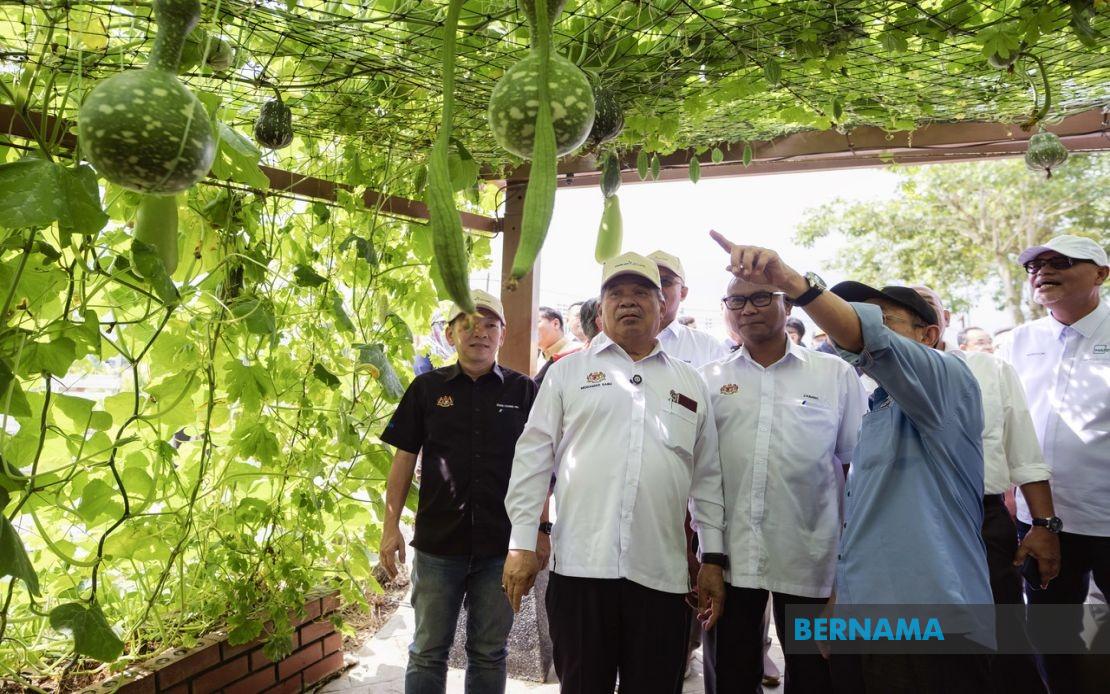
Preparations for Malaysia's flagship agriculture exhibition are progressing well, with organisers confirming that the Malaysia Agriculture, Horticulture and Agrotourism Exhibition (MAHA) 2026 will be ready to welcome visitors from August 28 onwards. Agriculture and Food Security Minister Datuk Seri Mohamad Sabu announced that work at the Malaysia Agro Exposition Park Serdang (MAEPS) is approximately 80 per cent complete, with final touches expected by August 27, one day before the public opening. The minister made the statement following an on-site inspection, emphasising that the venue's main infrastructure is now complete and remaining activities centre on installing exhibition materials and finalising display areas.
The ten-day event, running through September 6, carries the theme 'Penciptaan Nilai Demi Keterjaminan Makanan' (Value Creation for Food Security), reflecting government priorities to strengthen the nation's agricultural resilience. Mohamad will inaugurate the exhibition while Prime Minister Datuk Seri Anwar Ibrahim will preside over the closing ceremony on the final day. The thematic focus represents a deliberate pivot towards modernising Malaysia's agriculture sector through technology adoption and innovation, positioning the country alongside developed farming nations.
A major highlight will be the showcase of cutting-edge agricultural machinery and autonomous vehicles, alongside the expanding use of unmanned drones across multiple farming applications. Visitors will witness how drone technology is being deployed in paddy cultivation, pineapple farming, and melon production—sectors critical to Malaysian agriculture. These demonstrations draw comparison to practices already prevalent in technologically advanced agricultural nations such as China and the Netherlands, where farm mechanisation and automation have dramatically improved productivity and reduced labour dependency. For Malaysian agricultural stakeholders, observing these technologies at MAHA 2026 provides valuable insights into potential investment and adoption strategies.
Beyond equipment displays, the exhibition emphasises value chain integration, a concept increasingly important for smallholder farmers and livestock producers seeking to escape commodity price volatility. The minister highlighted how raw agricultural products can be transformed into higher-value finished goods through downstream processing. Examples include converting raw milk into dairy products, fresh pineapples into juices and canned goods, and cassava root into flour and starch-based products. This value-chain approach creates entrepreneurial opportunities for local businesspeople to enter the agricultural sector not merely as primary producers but as processors and value-adders, thereby capturing greater margins and creating employment across rural communities.
Cultural heritage features prominently in the event's programming through Perkampungan Abang Mat, a dedicated village pavilion that celebrates traditional Malaysian food culture, communal cooking practices known as 'rewang', and conventional games. Daily rotating activities ensure visitors experience fresh offerings throughout the ten-day period, combining education with entertainment. The inclusion of family-friendly attractions such as congkak and other traditional games acknowledges the broader appeal of agricultural exhibitions beyond commercial stakeholders, particularly engaging senior citizens who can participate in nostalgic activities while learning about contemporary farming methods.
Incentive programmes designed to attract younger demographics include daily lucky draws distributing motorcycles and electrical appliances as prizes. Notably, organisers plan to award two motorcycles daily throughout the event, totalling twenty motorcycles, alongside consolation prizes of household electrical goods. These giveaways reflect a deliberate strategy to boost attendance among young people while creating memorable experiences that strengthen public interest in agricultural topics and careers. The minister specifically highlighted efforts to engage approximately 800,000 youths through specialised programming focused on automation, technology, and modernisation within the agricultural sector.
The exhibition expects to attract more than four million visitors overall, with participation from approximately 2,000 exhibitors representing Malaysia and fourteen foreign countries. Kenya's inaugural participation as a country pavilion marks a notable diplomatic and commercial development, signalling expanding agricultural partnerships across continents. International presence at MAHA 2026 transcends mere commercial exhibition; it creates structured platforms for Malaysian stakeholders to explore technological partnerships, identify import opportunities, and establish cross-border collaborations in agricultural research and development. For Southeast Asian observers, the event demonstrates Malaysia's positioning as a regional hub for agricultural innovation and trade facilitation.
Educational integration represents another strategic dimension of MAHA 2026. The Agriculture Ministry is pursuing formal approval from the Education Ministry to incorporate school students into exhibition activities as part of co-curricular programmes. This institutional approach transforms MAHA from a primarily commercial gathering into an educational resource that exposes younger generations to agricultural career pathways and modern farming practices. Such integration could significantly influence career choices among Malaysian students, addressing potential labour shortages in technological agricultural roles and fostering greater appreciation for the sector's complexity and innovation potential.
The comprehensive nature of MAHA 2026—combining commercial exhibition, cultural celebration, technological demonstration, and educational outreach—reflects evolving expectations for major agricultural events in the region. Rather than serving exclusively as a market platform, the exhibition functions as a multifaceted narrative about Malaysia's agricultural future, emphasising modernisation without abandoning cultural identity. For policymakers and industry observers across Southeast Asia, the event provides benchmarks for how nations can balance technological advancement with heritage preservation while creating inclusive economic opportunities across urban and rural populations.

