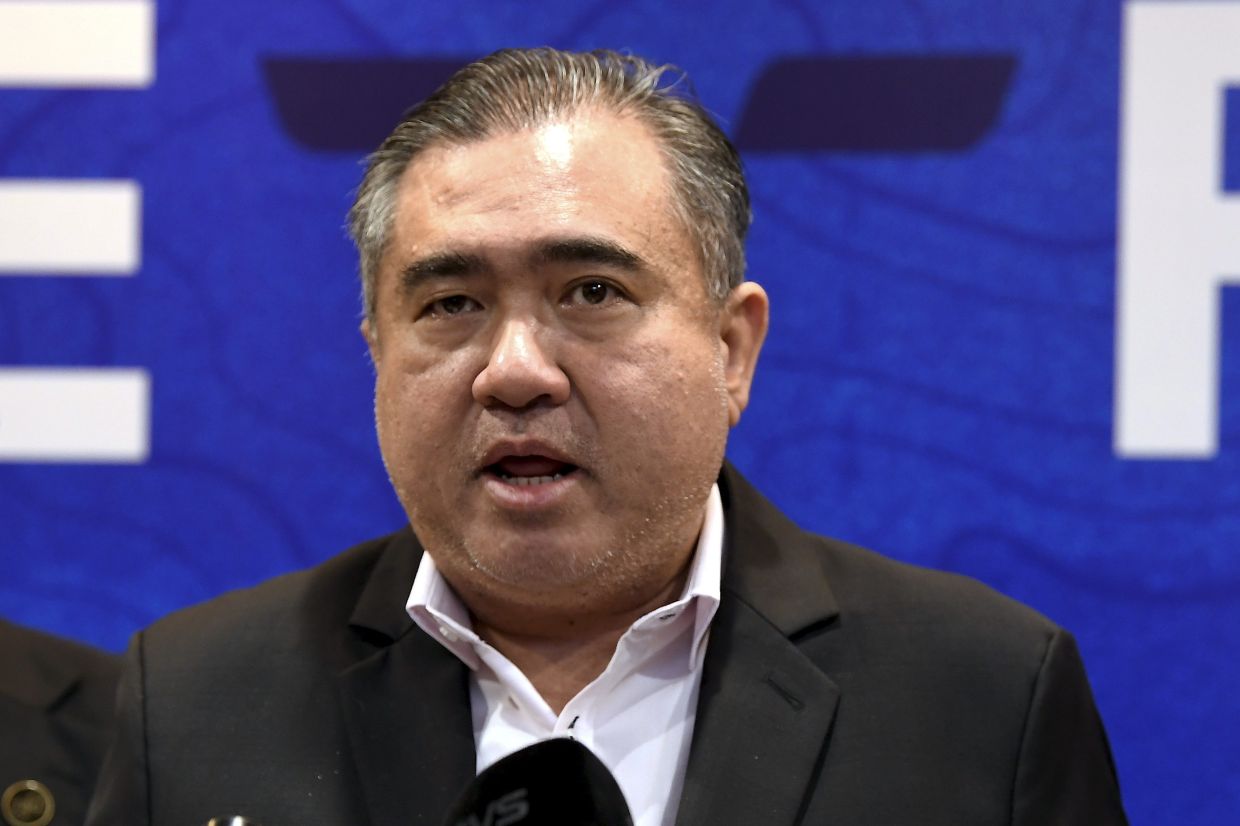
Malaysia Airports Berhad and Japanese real estate conglomerate Mitsui Fudosan have launched construction of a RM80 million air cargo logistics complex at Subang Airport, marking a significant step in the country's effort to boost its aviation infrastructure and supply chain capabilities. Transport Minister Anthony Loke Siew Fook presided over the groundbreaking ceremony on Thursday, signalling the government's commitment to modernising Malaysia's cargo handling capacity across multiple aviation hubs.
The partnership represents a deliberate strategy by MAHB to unlock the value of its airport land holdings by collaborating with experienced international developers. Loke highlighted that Mitsui Fudosan brings substantial expertise from Japan, where the company has successfully built and operated logistics complexes at Haneda Airport, one of Asia's busiest aviation gateways. By importing proven operational models and risk management practices from Japan's mature logistics sector, MAHB aims to reduce execution risks and ensure the Subang facility meets international standards for efficiency and safety.
The development is being executed through MFMA Industrial Sdn Bhd, a joint venture pairing Mitsui Fudosan (Asia) Malaysia Sdn Bhd with Malaysia Airports (Subang) Sdn Bhd. Situated on 1.78 hectares within Subang Aerotech Park, the complex will encompass approximately 254,420 square feet of built space designed with flexible tenancy arrangements to accommodate diverse operational needs of aviation and aerospace enterprises. This flexibility is crucial, as companies in the maintenance, repair and overhaul sector often require customised facilities tailored to specific aircraft types and component servicing.
The facility's strategic positioning within the Subang Airport area provides tenants direct access to an established ecosystem of aerospace, aviation and logistics operators concentrated across the Klang Valley region. This geographic clustering enables supply chain synergies, reduces transport costs and facilitates knowledge transfer among companies operating in complementary segments of the aviation industry. For Malaysian aerospace companies seeking to scale operations or upgrade their facilities, proximity to complementary service providers significantly enhances competitiveness.
The Subang development occurs within a broader government initiative to rebalance Malaysia's air cargo infrastructure. Currently, Penang dominates the country's air cargo throughput, accounting for approximately 75 per cent of total volume, primarily reflecting its established role as Malaysia's semiconductor manufacturing centre. However, this concentration creates vulnerabilities, as supply chain disruptions affecting Penang could compromise national logistics capabilities. By developing multiple cargo hubs, the government seeks to create geographic redundancy and encourage cargo growth outside the island state.
Kuala Lumpur International Airport is being positioned as ASEAN's regional air cargo hub through collaborative arrangements with China, a development with significant implications for Malaysia's role in facilitating Pan-Asian trade flows. This positioning leverages KLIA's already substantial passenger and cargo infrastructure, its strategic location connecting South Asia with East Asia, and its established customs clearance capabilities. Success in this initiative could establish Malaysia as a critical transshipment point for regional commerce, particularly in high-value electronics, pharmaceuticals and perishable goods.
Simultaneously, the government is partnering with Sabah to develop an air cargo hub at Kota Kinabalu International Airport by repurposing Terminal 2. This initiative addresses a significant geographic gap in Malaysian cargo infrastructure, as East Malaysia currently relies heavily on Peninsular airports for air freight services. A functional cargo hub in Kota Kinabalu would reduce transit times for shipments originating in Sabah and Sarawak, lowering logistics costs for exporters in the resource-rich eastern states and enhancing the region's attractiveness for manufacturing investment.
Construction of the Subang facility is scheduled to conclude in the third quarter of 2027, with commercial operations commencing in the final quarter of that year. This timeline aligns with MAHB's broader capacity expansion roadmap and provides time for both operators and potential tenants to prepare for the facility's entry into service. The two-and-a-half-year construction window also allows the company to incorporate evolving industry standards and technological innovations in logistics automation.
The presence of Embassy of Japan Minister Daisuke Nihei at the ceremony underscores the Japanese government's interest in deepening infrastructure partnerships with Malaysia. Japanese companies have historically maintained significant manufacturing and logistics operations in Malaysia, and expanded air cargo capacity directly benefits Japanese investors across automotive components, electronics assembly and precision machinery sectors. Mitsui Fudosan's involvement signals confidence among major Japanese corporates in Malaysia's medium-term economic trajectory and logistics market potential.
For Malaysia's broader economic competitiveness, the Subang project addresses a critical infrastructure gap. Air cargo capabilities increasingly determine whether developing nations can attract high-value manufacturing and attract companies in time-sensitive industries such as electronics, pharmaceuticals and fresh produce. By expanding capacity at multiple nodes rather than concentrating growth at existing bottlenecks, Malaysia positions itself to capture growing regional cargo volumes and establish itself as a preferred logistics hub for companies seeking Southeast Asian supply chain nodes.
The collaboration also reflects evolving approaches to airport development, where land-rich airport operators partner with experienced logistics specialists rather than developing facilities independently. This model reduces capital requirements for MAHB while transferring operational risk to partners with demonstrated track records. For investors and logistics companies seeking modern, professionally-managed facilities, the involvement of Mitsui Fudosan provides assurance regarding facility standards and long-term operational viability.
The Subang initiative must be viewed as part of Malaysia's comprehensive effort to strengthen its position in regional aviation and logistics networks. As Southeast Asian nations compete intensely to attract manufacturing investment and establish themselves as regional trade hubs, modern air cargo infrastructure increasingly functions as a prerequisite rather than a luxury. The success of the Subang complex and parallel developments at KLIA and Kota Kinabalu will substantially influence Malaysia's capacity to capture high-margin logistics activities and retain manufacturing investment in the coming decade.

