Malaysia Airports Holdings Bhd (MAHB) has restated its dedication to working alongside multiple government agencies to protect Malaysia's borders from criminal activity, particularly in the wake of a high-profile case involving a Malaysian pilot arrested in Indonesia for allegedly attempting to smuggle narcotics. The operator of Kuala Lumpur International Airport emphasised that it would furnish whatever support the relevant authorities require as investigations proceed into the incident, while simultaneously strengthening collaborative security and enforcement initiatives at the nation's primary aviation hub.
The arrested pilot, aged 39, was detained on July 29 following his arrival in Indonesia carrying what Indonesian authorities claim was a substantial quantity of controlled substances. Preliminary findings suggest the haul comprised approximately 70,114 ecstasy pills and four grammes of methamphetamine, valued at around Rp60 billion. Investigators believe the suspect may have conducted multiple similar operations previously and potentially maintained connections to a wider international drug trafficking organisation, though formal charges and further details remain under investigation.
MAHB's clarification on its operational role comes at a crucial juncture when public scrutiny of airport security procedures has intensified. The airport operator distinguished between its core responsibility—preventing unlawful interference that could endanger aviation safety—and the detection of narcotics trafficking, which falls squarely within the purview of law enforcement bodies. This demarcation is significant for Malaysian readers, as it highlights how airport security operates within defined jurisdictional boundaries, with different agencies handling different categories of threat according to their statutory mandates.
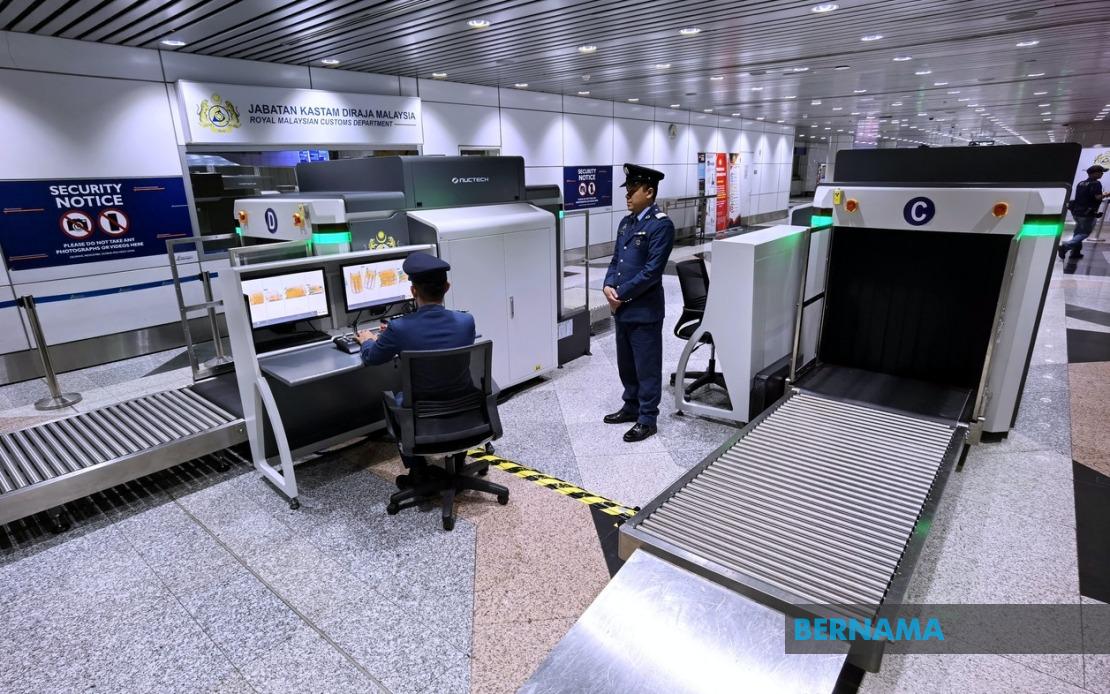
The airport's Aviation Security (AVSEC) division employs advanced technological systems and rigorous protocols explicitly calibrated to identify explosives, firearms, and other implements capable of compromising aircraft or passenger safety. The baggage handling infrastructure at KLIA incorporates these security frameworks as foundational design principles. All luggage checked through the airport—whether belonging to passengers or aircrew members—undergoes mandatory aviation security screening conforming to established international and domestic requirements.
Detailed narcotics enforcement, conversely, remains the responsibility of the Royal Malaysia Police and the Royal Malaysia Customs Department, agencies equipped with the investigative tools and legal authority to prosecute drug-related offences. Wildlife trafficking cases involve the Department of Wildlife and National Parks. These organisations conduct their enforcement activities within KLIA's premises in accordance with applicable legislation and procedural guidelines, with MAHB providing operational support through intelligence exchange and collaborative frameworks.
The scale of contraband interception at Malaysia's busiest airport underscores the magnitude of ongoing security challenges. Between January and July of this year alone, KLIA's AVSEC personnel partnered with the police force to intercept over thirty separate attempts to move illegal substances through the terminal. This data point reveals both the constancy of smuggling pressures on Malaysian aviation infrastructure and the effectiveness of coordinated inter-agency operations when properly resourced and executed.
The Civil Aviation Authority of Malaysia has commenced its own examination of whether established aviation security procedures were meticulously observed throughout the sequence of events surrounding the pilot's departure. CAAM's Chief Executive Officer Datuk Capt Norazman Mahmud signalled that the regulatory assessment would encompass the airline's adherence to mandatory security protocols and evaluate the thoroughness of KLIA's screening mechanisms. This parallel inquiry represents standard regulatory practice when aviation personnel are implicated in criminal conduct, ensuring systemic vulnerabilities are identified and remedied.
For Malaysian and regional readers, this episode illuminates the complex architecture of airport security and the multiple institutional layers involved in safeguarding borders. The incident underscores that individual culpability does not necessarily indicate systemic failure, though it invariably prompts institutional review. MAHB's willingness to undergo such scrutiny and cooperate fully with regulatory bodies reflects international best practices in airport governance, where transparency and continuous improvement remain paramount.
The international dimension merits attention for Southeast Asian observers. Drug trafficking networks increasingly exploit air transport corridors connecting regional hubs, and the apparent sophistication of this alleged operation—including suspected prior movements and multinational connections—suggests organised criminal entities view Malaysian aviation infrastructure as part of broader trafficking arteries. This reality demands sustained investment in intelligence capabilities, modern screening technology, and bilateral cooperation with neighbouring nations' authorities to identify and disrupt such operations before contraband reaches departure gates.
Moving forward, MAHB's public reassurance of cooperation carries implications extending beyond immediate crisis management. The statement signals to international aviation partners, regulatory bodies, and security-conscious travellers that Malaysia maintains vigilant oversight of its airport operations and stands prepared to address emerging threats collaboratively. For the business community and travelling public, such institutional responsiveness should provide reasonable confidence that security gaps identified through incidents like this pilot case will prompt corrective action rather than institutional complacency.
The convergence of multiple investigative streams—Indonesian authorities handling criminal proceedings, Malaysian police providing supportive intelligence, CAAM undertaking regulatory review, and MAHB facilitating inter-agency coordination—demonstrates how serious transnational crimes receive multifaceted institutional response. Whether this coordination proves sufficiently sophisticated to unravel the suspected international network remains an open question, but the demonstrated commitment to pursuing leads through cooperative frameworks represents a baseline expectation in contemporary border security governance.

