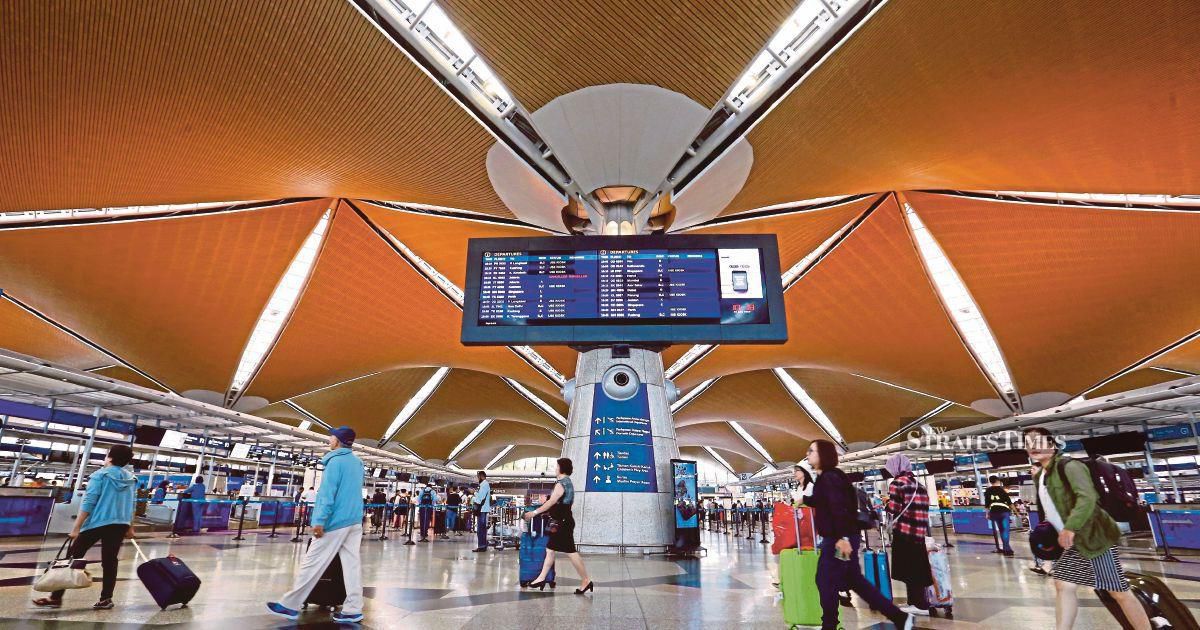
A technical failure disrupted baggage operations at Kuala Lumpur International Airport's Terminal 1 during business hours, prompting Malaysia Airports Holdings Bhd (MAHB) to mobilise resources for swift restoration of the critical system. The airport operator confirmed the incident occurred within its primary terminal hub, which processes thousands of passengers daily and serves as the main international gateway for Malaysia's busiest airport.
Terminal 1 handles the bulk of KLIA's international traffic and operates an extensive baggage system designed to sort, scan, and route luggage from check-in counters through to aircraft loading. The technical issue affected this integrated infrastructure, creating potential bottlenecks during passenger processing and departure preparation. The timing of the disruption coincided with typical afternoon flight operations, a peak travel window when multiple aircraft are preparing for long-haul departures.
MAHB confirmed that the problem was contained to the baggage handling infrastructure rather than spreading across the terminal's broader operations. Ground crews and technical specialists immediately began diagnostic work to identify the root cause and implement repairs. The airport operator prioritised transparency by promptly acknowledging the fault, a procedural standard designed to manage passenger expectations and coordinate with airlines operating from the affected terminal.
The restoration timeline proved relatively efficient, with MAHB bringing the system back online by 5:30 pm. This timeframe—spanning several hours—suggests that engineers addressed either software complications or mechanical failures requiring systematic troubleshooting rather than simple configuration adjustments. For an airport handling hundreds of daily international flights, such downtime creates cascading effects across departure schedules and connecting passenger networks.
Airlines operating from Terminal 1 would have implemented contingency protocols during the outage, potentially diverting baggage to manual processing stations or temporarily delaying check-in operations to prevent accumulation at damaged sorting equipment. These alternatives, while functional, reduce throughput efficiency and place additional strain on airport staff already managing peak-hour passenger volumes. The incident underscores the vulnerability of modern airport operations to technical system failures.
MAHB's baggage systems at KLIA represent substantial capital investments incorporating conveyor networks, scanning technology, and computer-managed routing. These systems operate continuously and endure significant mechanical wear from the constant movement of thousands of bags daily. Maintenance schedules and preventive servicing aim to minimise unexpected failures, but complex integrated systems occasionally experience unanticipated technical problems.
The incident has implications for passenger experience and airport reputation, particularly for international travellers unfamiliar with Malaysia's aviation infrastructure. Delayed baggage handling creates anxiety among connecting passengers with tight itineraries and those relying on checked luggage containing essential items. Social media and passenger feedback channels typically amplify such disruptions, shaping public perception of airport service standards.
MAHB manages Malaysia's three major airports—KLIA, Penang International Airport, and Kuala Lumpur International Airport 2 (KLIA2)—making the operator's operational reliability crucial for the nation's aviation connectivity and economic reputation. Terminal 1 specifically serves premium carriers and a significant share of Malaysia's international capacity, meaning disruptions affect both passenger satisfaction and airline cost structures.
The restoration of the baggage system by late afternoon allowed evening departure waves to proceed largely on schedule, limiting cumulative delays to the airport's daily operation. Airlines likely maintained communication with passengers throughout the outage period, providing status updates and managing expectations regarding potential schedule adjustments. Ground handling agents at KLIA would have coordinated closely with MAHB technical teams to prioritise aircraft with imminent departures.
This incident highlights the operational interdependencies within modern airport ecosystems, where failures in specialised systems like baggage handling cascade across check-in services, gate operations, and departure sequencing. MAHB's swift resolution demonstrates the importance of maintaining technical expertise and responsive maintenance infrastructure. For Malaysian travellers and airlines relying on KLIA's capacity, such operational resilience proves essential for maintaining competitive positioning within Southeast Asia's increasingly crowded aviation market.
The airport operator will likely conduct comprehensive post-incident analysis to determine failure mechanisms and implement preventive measures, potentially including system upgrades, enhanced monitoring protocols, or adjusted maintenance cycles. Industry standards increasingly emphasise redundancy and backup systems for critical airport infrastructure, acknowledging that complete elimination of technical failures remains impractical.
Going forward, MAHB's handling of this disruption reinforces the need for continued investment in airport infrastructure modernisation and technical workforce development. As passenger volumes grow and competition intensifies among regional airports, operational reliability becomes increasingly valuable to airlines and passengers seeking seamless travel experiences. The swift resolution of the Terminal 1 baggage system issue demonstrates MAHB's capacity to respond effectively, though ongoing vigilance remains necessary to prevent future disruptions.

