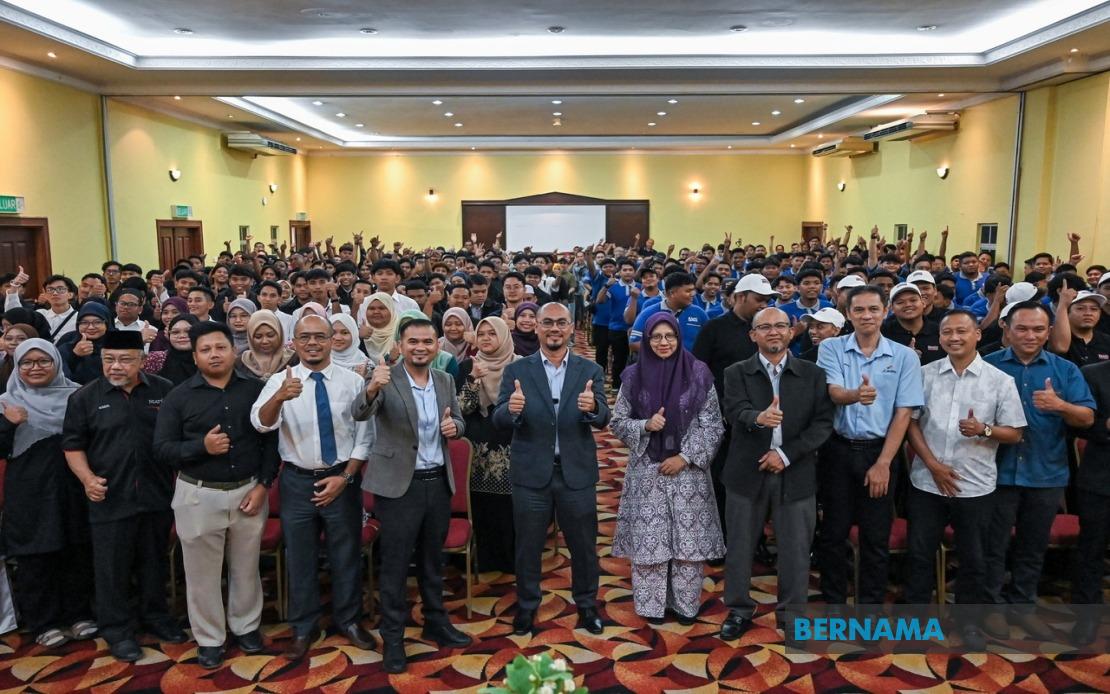
The Perak Islamic Religious and Malay Customs Council (MAIPk) is directing substantial resources towards addressing skills gaps within vulnerable communities, committing RM10.9 million this financial year to a comprehensive vocational training initiative. The Asnaf Skills Training Programme in Technical and Vocational Education and Training represents a strategic investment designed to equip approximately 1,200 eligible participants across Perak with marketable competencies in sectors experiencing strong labour demand.
According to MAIPk chief executive officer Syamsul Hazeman Md Salleh, the funding originates from zakat collections, earmarking resources specifically for direct skills development costs, professional certifications, and supplementary training support. This approach underscores how Islamic charitable mechanisms are being channelled towards concrete economic empowerment initiatives rather than solely immediate relief, reflecting a longer-term investment philosophy within Malaysia's Islamic institutional framework.
The breadth of sectoral focus demonstrates deliberate alignment with Perak's economic priorities and national skills requirements. Training pathways span construction trades, oil and gas operations, industrial automation systems, welding specialties, maritime industries, healthcare delivery roles, and service sector positions. Course durations vary substantially, ranging from intensive one-month modules to comprehensive nine-month programmes, allowing participants to select pathways matching their existing qualifications, time availability, and career aspirations.
Implementing this scaled initiative requires institutional partnerships across multiple training providers. MAIPk has engaged six established training institutions including Akademi Binaan Malaysia Wilayah Utara, SRC Global Resources Sdn Bhd, Vision University College, Kulim Advanced Technologies Sdn Bhd, Northwestern Institute of Advanced Technical Skills, and Haaza Centre of Excellence. This partnership model distributes delivery capacity while ensuring quality standards through established operators, some of whom possess industry-specific expertise and accreditation.
The programme's launch phase in July involved 340 participants from the broader 1,200-participant cohort, indicating phased implementation over the calendar year. This staged approach allows programme administrators to refine delivery mechanisms, gather feedback from early cohorts, and adjust support structures before scaling to full capacity. The initial deployment also demonstrates commitment to immediate action rather than planning-only exercises.
Demand for these opportunities far exceeds available places. MAIPk received approximately 10,000 applications for the 1,200 training positions, revealing substantial appetite for skills development within asnaf communities across Perak. The high application-to-placement ratio indicates either a genuine skills deficit affecting this demographic or possibly limited awareness about eligibility criteria and application procedures. Selection mechanisms prioritise verified eligibility against established criteria, suggesting means-testing or zakat-recipient status verification forms part of qualification assessment.
For Malaysian policymakers and social planners, this initiative illustrates how Islamic institutional structures can mobilise capital for workforce development objectives. Rather than competing with government vocational systems, MAIPk's approach complements public TVET infrastructure by targeting demographic segments who may face barriers accessing mainstream programmes. This institutional diversification across training providers strengthens the broader vocational ecosystem without creating duplicate capacity.
The programme's framing explicitly connects skills development to broader socio-economic empowerment and Perak's economic growth trajectory. This positioning moves beyond charity paradigms towards investment language, suggesting asnaf participants are understood as potential economic contributors rather than passive welfare recipients. Aligning community development with regional economic priorities creates stakeholder interest among employers and state development agencies.
For participants, successful completion offers dual benefits: practical competencies in sectors with documented labour shortages and formal professional certifications recognised by industry bodies. These credentials create portable qualifications applicable across Malaysia, not merely within Perak, potentially enabling geographic mobility for employment opportunities. Healthcare and industrial automation pathways particularly align with national skills shortage areas identified in Malaysia's workforce planning documents.
The initiative reflects deeper strategic thinking about human capital development within Islamic charitable frameworks. Rather than episodic assistance, MAIPk's commitment suggests sustained institutional investment in capability building. This multi-year commitment approach differs markedly from one-off assistance models, potentially enabling cohort tracking and long-term employment outcome measurement.
Implementation success depends on multiple reinforcing factors beyond training provision alone. Graduate employment placement support, employer engagement strategies, and post-completion mentorship could significantly influence whether training translates into sustainable employment. The involvement of industry-focused training providers like Kulim Advanced Technologies suggests some employer connection, though explicit job placement guarantees remain unstated.
For Southeast Asian readers, this model demonstrates how Islamic institutions in Malaysia are operationalising corporate social responsibility and wealth redistribution mechanisms towards skills development objectives. As other Muslim-majority nations grapple with vocational training accessibility and quality, Malaysia's experience with zakat-funded technical education offers potentially transferable approaches for institutionalising workforce development through religious charitable channels.
As Perak experiences demographic changes and evolving labour market demands, sustained investment in asnaf capabilities represents preventative policy addressing potential skills unemployment before acute crises emerge. The RM10.9 million commitment, while significant, becomes more meaningful when contextualised against potential economic losses from structurally unemployable populations or the long-term social costs of educational exclusion.

