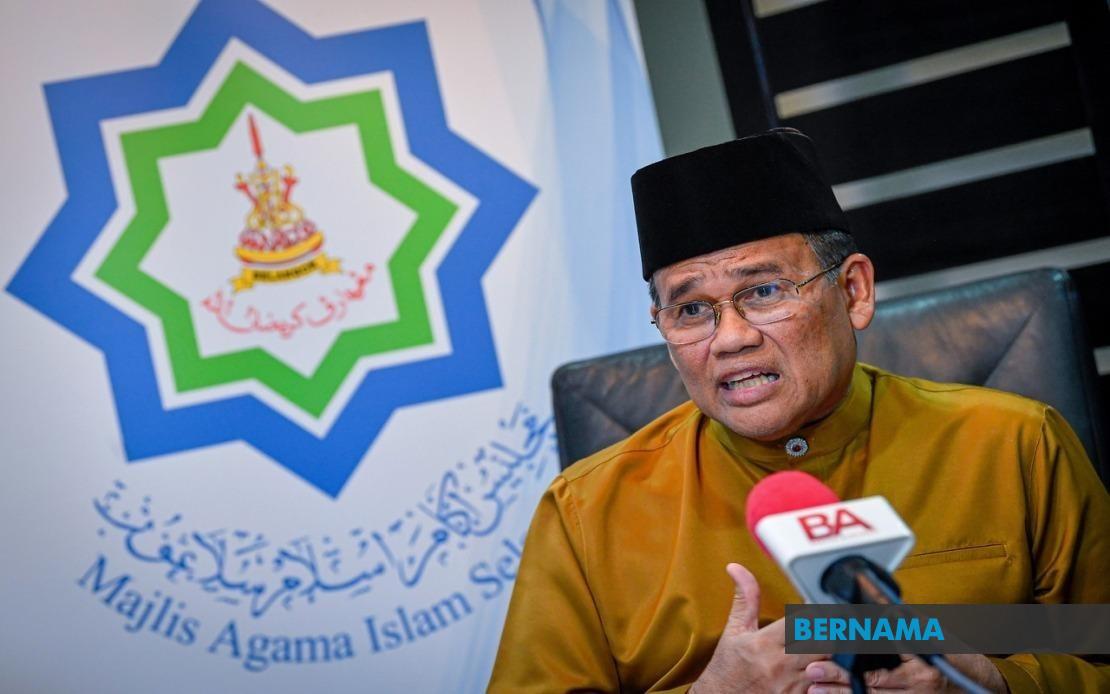
The Selangor Islamic Religious Council (MAIS) has summoned key stakeholders to an emergency meeting aimed at resolving a contentious burial delay that has sparked controversy within the Muslim community. The gathering will bring together the deceased person's next of kin, officials from Masjid Nurul Hidayah in Kampung Pandan Dalam, the Salatulrahim Welfare Organisation (BKS), and representatives from the Selangor Islamic Religious Department (JAIS) to tackle the allegations surrounding delays in burial procedures at the Ukay Perdana Muslim Cemetery in Hulu Kelang.
MAIS chairman Datuk Salehuddin Saidin framed the convening as a constructive effort to find mutually acceptable outcomes while implementing safeguards against recurrence. The chairman's statement reflected the gravity with which MAIS views the incident, acknowledging the emotional toll on the bereaved family during an already difficult period. By bringing all relevant parties to the same table, MAIS aims to foster understanding and identify where communication or procedural breakdowns occurred.
In a detailed statement released on June 29, Salehuddin expressed profound sympathy for the affected family, recognizing that funeral delays compound the anguish experienced by those grieving. The MAIS leadership also pledged that the organization would scrutinize findings from ongoing police investigations and take appropriate disciplinary measures against anyone found culpable, whether through deliberate misconduct, careless handling of duties, or failures in coordination among responsible institutions.
The burial delay incident has already triggered official investigations, with the Selangor Islamic Religious Department issuing preliminary findings based on accounts from the mosque's administrative team. That disclosure highlighted systemic or procedural issues worth examining across the funeral and burial sector. Police reports have been filed independently by the mosque management, the grieving family, and the welfare organization, each presenting potentially different perspectives on what transpired.
Salehuddin acknowledged this investigative phase and urged stakeholders to allow law enforcement to proceed without pressure or interference, ensuring conclusions remain impartial and evidence-based. This measured approach reflects MAIS's commitment to institutional integrity while demonstrating sensitivity to public concern about accountability in religious affairs. The police investigation will determine whether the delay stemmed from criminal negligence, administrative incompetence, or simply miscommunication among parties responsible for coordinating burial arrangements.
Beyond addressing the immediate incident, MAIS signaled plans for broader institutional reform. The council intends to conduct a comprehensive review of how mosques currently manage Islamic funeral and burial operations, with the express goal of identifying vulnerabilities and implementing stronger protocols. This systemic examination suggests recognition that the incident may expose wider operational gaps affecting funeral services across Selangor's mosque network.
The proposed reforms aim to establish standards ensuring that Muslim deceased are handled with proper reverence, professional competence, and strict adherence to Islamic jurisprudential requirements. By centralizing attention on procedural excellence and institutional accountability, MAIS seeks to restore public confidence in funeral services that families entrust to religious institutions during their moments of maximum vulnerability and need.
For the broader Muslim community, this incident and institutional response carry important implications. Funeral arrangements involve not merely logistical coordination but also profound spiritual and emotional considerations rooted in Islamic tradition. When delays occur, they challenge family members' faith in institutional reliability at moments when such trust is essential. MAIS's intervention signals that religious authorities take seriously their obligation to manage these responsibilities with competence and compassion.
The chairman also appealed to the Muslim community to preserve unity and fraternity during periods of disagreement or controversy. Salehuddin cautioned against allowing differences of perspective to metastasize into broader divisions, urging believers to maintain the Islamic principle of ukhuwah, or brotherhood, that transcends individual disputes. This appeal speaks to concerns that highly publicized funeral service failures might trigger wider criticism of religious institutions' administrative capacity.
The incident and response framework demonstrate how Malaysian Islamic institutions increasingly face expectations of transparency and professional standards comparable to secular service providers. Families expect clear timelines, respectful handling, and explanation when procedures encounter obstacles. MAIS's commitment to investigating, reforming, and improving suggests the council recognizes that religious authority in contemporary Malaysia depends partly on demonstrable operational competence alongside spiritual credentials.
For Malaysian readers, particularly those in Selangor, this situation underscores the importance of clear communication during funeral arrangements. Families should understand their rights and established procedures, while religious institutions must invest in training and systems that prevent ambiguity or delay. The emergency meeting represents institutional self-correction, acknowledging that good intentions alone cannot substitute for robust procedures and clear accountability structures.
Moving forward, MAIS's efforts will likely influence how other state religious councils approach funeral service management. This incident, handled transparently and with commitment to reform, could catalyze improvements across Malaysian mosque networks. Ultimately, strengthening funeral and burial procedures honors both Islamic principles and the dignity families deserve when navigating loss, establishing confidence that religious institutions remain faithful stewards of their community's most sacred obligations.

