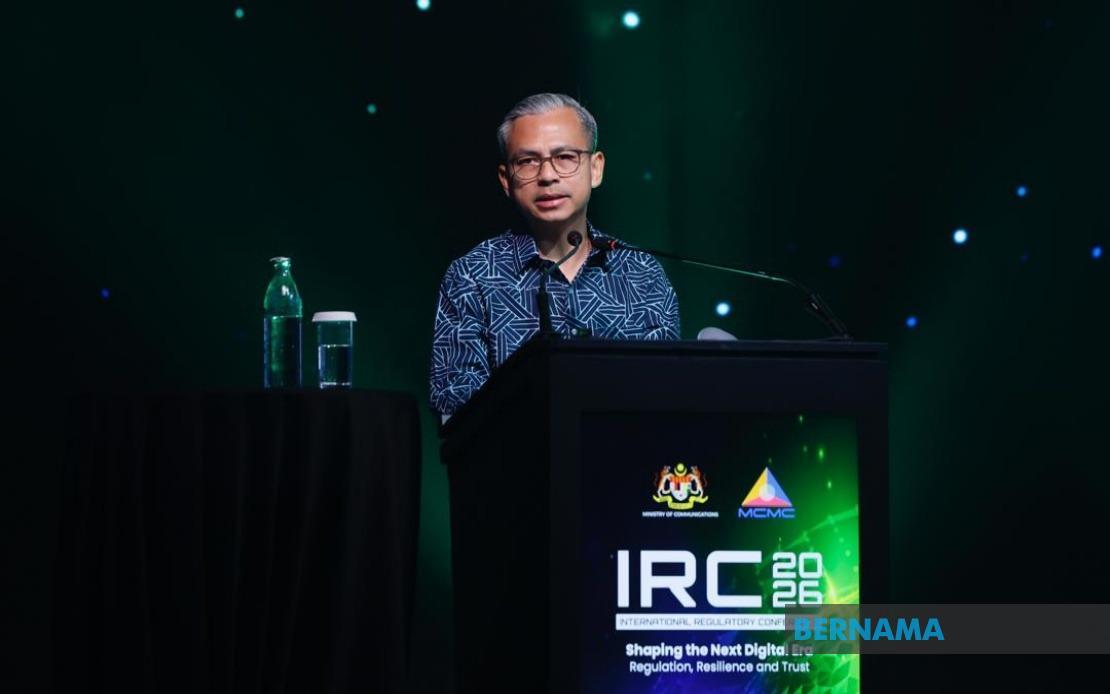
Malaysia is intensifying efforts to establish a robust digital governance framework that safeguards technological advancement without stifling innovation, Communications Minister Datuk Seri Fahmi Fadzil announced this week at a major international regulatory conference in Kuala Lumpur. The nation's strategy centres on creating digital systems that citizens can rely on, from the platforms they interact with daily to the underlying infrastructure processing their information and transactions.
The minister pointed to several concrete initiatives demonstrating this commitment. The National Digital Network Plan, known as Jendela, represents the government's comprehensive vision for nationwide connectivity. Complementing this is Malaysia's substantial investment in 5G infrastructure, now in advanced deployment stages across major population centres and commercial zones. The country has also prioritised submarine cable infrastructure, recognising that international data flows require physical resilience as much as technical sophistication. Perhaps most significantly, the Online Safety Act 2025 has recently entered force, establishing new legal mechanisms for combating digital harm and protecting vulnerable internet users.
At the heart of Malaysia's regulatory approach lies a fundamental tension that developing digital economies must navigate: the challenge of trust in an era when technology evolves far more rapidly than the legal frameworks designed to govern it. Citizens increasingly rely on digital platforms for commerce, communication, and access to essential services, yet often lack transparency about how their data is handled, processed, or protected. Fahmi framed this as the defining problem of the next digital era, asking whether people can meaningfully trust the technological systems shaping their daily existence.
The minister acknowledged that traditional regulatory structures often lag behind technological change, creating policy gaps that leave citizens vulnerable to exploitation or harm. Malaysia's response involves crafting governance frameworks that possess sufficient flexibility to respond to rapid innovation cycles while remaining proportionate in their application to industry. This balancing act requires regulators to anticipate emerging threats without imposing restrictions that would discourage genuine technological progress or international investment in the Malaysian digital economy.
The Online Safety Act 2025 represents a strategic pivot in how Malaysia approaches digital regulation. Rather than merely responding to harms after they occur, the legislation emphasises prevention through strengthened platform accountability measures. The Act introduces new obligations for digital service providers to implement safety by design, with particular focus on protecting children and marginalised communities who face disproportionate risks from online exploitation, misinformation, and cybercrimination. This preventive approach reflects international regulatory trends, moving beyond reactive enforcement toward systemic change.
The International Regulators Conference 2026, now entering its third iteration, has evolved into a significant venue for Malaysian digital governance thinking. Fahmi noted that the conference originated when Malaysia transitioned to its Dual Network model for 5G deployment, an architectural decision that attracted international regulatory scrutiny. The event has subsequently matured into a genuine knowledge-sharing platform where regulators from diverse jurisdictions exchange insights on tackling shared challenges in the digital economy. For Malaysia, this positions the nation as a thought leader rather than merely a rule-follower in global telecommunications policy.
The conference agenda reflects contemporary digital governance priorities extending well beyond traditional telecommunications concerns. Participants will examine online safety protocols, data governance frameworks, artificial intelligence regulation, quantum communications technology, and autonomous systems deployment. These discussions occur amid wider recognition that digital governance cannot remain siloed within individual national boundaries. Harms originating in one jurisdiction readily spread across borders, while regulatory approaches adopted by major economies influence best practices globally. This reality has prompted Malaysia to emphasise international cooperation as central to effective digital governance.
For Malaysia specifically, participation in such global regulatory forums carries particular strategic weight. As a Council Member of the International Telecommunication Union, Malaysia has institutional channels to influence international telecommunications standards and recommendations. Fahmi indicated that outcomes from the IRC 2026 will be formally communicated to the ITU, contributing Malaysian experience and perspectives to evolving international norms. This amplifies the significance of domestic regulatory decisions, as they increasingly shape international telecommunications policy frameworks affecting developing economies throughout Southeast Asia and the Global South.
The minister emphasised that drawing regulatory insights from neighbouring countries and distant jurisdictions proves essential for identifying gaps in Malaysia's current legal architecture. Different nations have adopted contrasting regulatory philosophies for managing online harms, artificial intelligence development, and data protection. Malaysia benefits from studying these diverse approaches, adapting successful models while avoiding pitfalls encountered elsewhere. This comparative analysis informs domestic policymaking while building practical relationships with foreign regulators who may encounter similar challenges.
Looking forward, Fahmi expressed confidence that the conference would generate concrete policy outcomes translating into legislative and regulatory action across multiple jurisdictions. Rather than producing merely aspirational statements, the IRC 2026 aims to generate practical commitments addressing specific digital governance challenges. Malaysia's involvement positions the nation as an active participant in shaping regulatory responses to technological disruption rather than passively importing foreign models.
The broader context for Malaysia's digital governance initiatives involves rapidly expanding internet penetration, growing e-commerce adoption, and rising cybersecurity concerns among businesses and consumers. Digital transformation offers genuine economic opportunities, enabling Malaysian companies to reach regional and global markets while attracting foreign investment in technology sectors. Simultaneously, inadequate governance frameworks create vulnerabilities that undermine public confidence in digital systems and deter international technology companies from operating in the country. Malaysia's strategy attempts to capture transformation benefits while minimising associated risks through smart, proportionate regulation that preserves innovation incentives.
The MCMC's hosting of the IRC 2026 reflects its central role in this governance agenda. As Malaysia's primary telecommunications regulator, the commission must balance multiple constituencies: protecting citizens from digital harms, ensuring fair market competition among service providers, facilitating infrastructure investment, and maintaining Malaysia's standing in international technology policy discussions. These objectives sometimes tension, requiring nuanced regulatory judgement informed by evidence and stakeholder consultation. The conference provides MCMC with opportunities to test Malaysia's regulatory philosophy against international perspectives and establish peer relationships supporting future regulatory cooperation.

