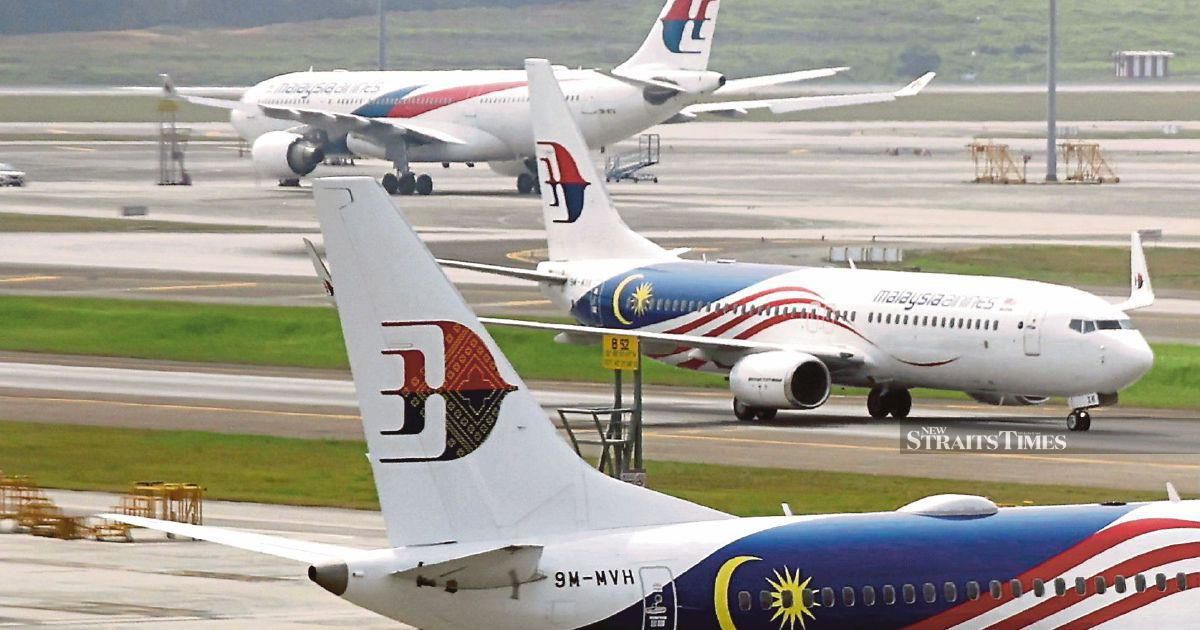
Malaysia Airlines announced it is undertaking a comprehensive internal examination following the detention of one of its pilots by Indonesian authorities on allegations related to narcotics violations. The incident represents a serious matter for the airline, which operates extensive flight routes throughout Southeast Asia and maintains strict safety and conduct protocols for all personnel.
The detained pilot's arrest underscores the persistent challenge of substance abuse within aviation sectors across the region. International civil aviation standards require all pilots to undergo rigorous medical and psychological screening, yet lapses in oversight or off-duty misconduct remain recurring concerns that aviation authorities must continuously address. For Malaysia Airlines, the incident necessitates a thorough examination of its vetting procedures and periodic fitness assessments for flight crew members.
The airline's decision to launch an internal review signals an organisational response aimed at identifying potential gaps in recruitment, training, and compliance mechanisms. Such reviews typically examine personnel files, historical medical examinations, and disciplinary records to determine whether warning signs were overlooked. Additionally, Malaysia Airlines may assess whether its policies governing crew conduct during non-flight hours adequately reflect the expectations placed upon safety-critical professionals.
Indonesian law enforcement's involvement adds a jurisdictional complexity to the matter. Since the arrest occurred within Indonesian territory, the detention falls under Indonesian legal frameworks, and any charges would be processed through the Indonesian justice system. Malaysia Airlines must navigate both the foreign legal proceedings and its own internal disciplinary processes in parallel, a situation that demands careful coordination with legal representatives in both countries.
The broader implications for aviation safety in Southeast Asia are noteworthy. The region has strengthened its regulatory oversight in recent years, yet incidents involving aircrew misconduct periodically surface, prompting regulators like the Malaysian Civil Aviation Authority to scrutinise operational standards more closely. This particular case may trigger renewed discussions about drug testing protocols, their frequency, and the methods employed to ensure airline safety across the region.
For Malaysia Airlines, reputational considerations extend beyond immediate operational concerns. The airline has invested significantly in rebuilding public confidence following previous crises, making personnel integrity incidents particularly sensitive. Passengers selecting flights frequently consider airline safety records as a primary determinant, and highly publicised crew misconduct cases can influence consumer behaviour, even when the incident involves isolated individuals rather than systemic failures.
The investigation process in Indonesia will establish the factual basis for allegations against the pilot. Once legal proceedings conclude, Malaysia Airlines will determine appropriate internal disciplinary measures, which could range from suspension through to termination of employment depending on the severity and nature of findings. The airline's handling of the situation will be closely monitored by industry observers and aviation authorities alike.
Security personnel and ground staff training may also feature in Malaysia Airlines' internal review. Mechanisms for reporting suspected substance abuse among colleagues, confidentiality protections for whistleblowers, and clear escalation procedures all contribute to creating environments where misconduct is less likely to go undetected. Regional airlines have progressively strengthened such frameworks in response to heightened safety consciousness among aviation regulators and the flying public.
The incident occurs against a backdrop of Southeast Asian governments implementing stricter anti-narcotics policies. Indonesia maintains particularly severe penalties for drug-related offences, and the detention of a foreign national employed in a safety-critical role will likely receive notable attention from Indonesian authorities given the significance of aviation security to national interests.
For Malaysian aviation professionals more broadly, this situation serves as a reminder of the consequences associated with lapses in personal conduct. Commercial aviation demands an exceptionally high standard of integrity from personnel entrusted with passenger safety. The incident illustrates how individual actions can rapidly escalate into organisational challenges, legal complications, and broader regulatory scrutiny affecting entire sectors.
Looking forward, Malaysia Airlines will presumably implement any corrective measures identified through its internal review. Enhanced screening protocols, more frequent health and wellness assessments, and strengthened reporting mechanisms may emerge from the examination. The airline's transparency in communicating findings and remedial steps to stakeholders will be crucial in maintaining confidence among passengers, employees, and regulators monitoring aviation standards throughout the region.

