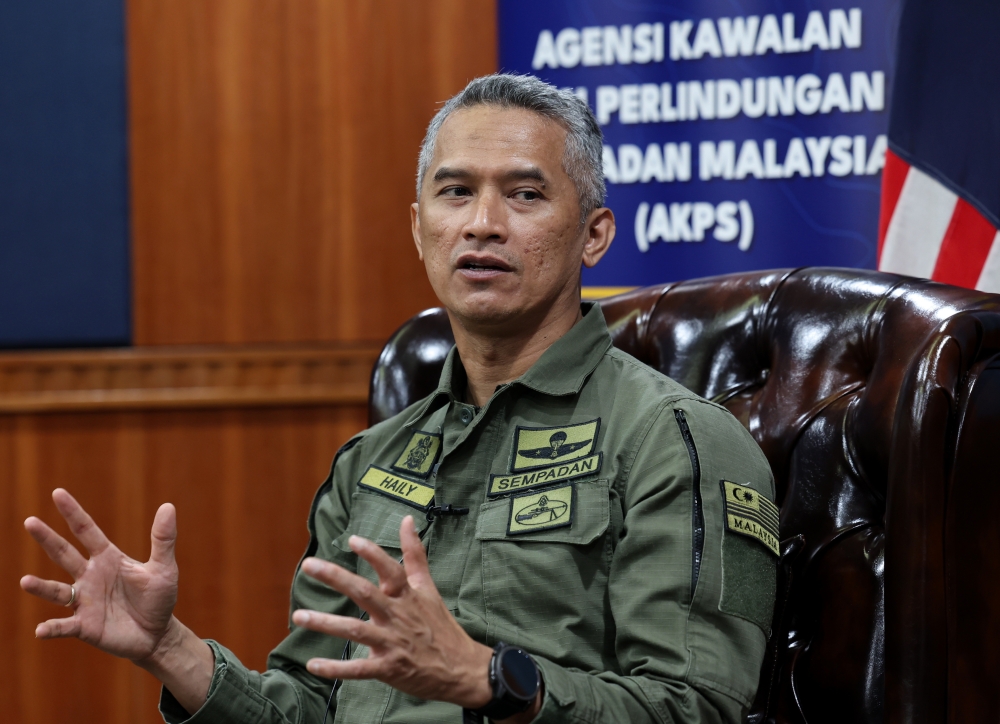
A Malaysia Airlines pilot arrested with narcotics at Soekarno-Hatta International Airport in Jakarta raised no red flags during baggage screening at Kuala Lumpur International Airport, according to the head of Malaysia's border control agency. The disclosure has prompted a review of airport security protocols and highlighted potential gaps in how prohibited items pass through one of Southeast Asia's major aviation hubs.
The revelation comes as Malaysian authorities conduct a comprehensive examination into the circumstances surrounding the pilot's detention. Officials are scrutinising how the pilot's luggage cleared standard security procedures at KLIA before the subsequent discovery of drugs upon arrival in Jakarta. This sequence of events has raised questions about the effectiveness of existing screening mechanisms and whether additional measures are necessary to prevent such incidents.
The incident underscores broader concerns about aviation security across the region. Malaysia Airlines operates one of Southeast Asia's largest flight networks, with hundreds of daily movements through KLIA. Any vulnerability in security procedures could theoretically affect not just the airline but the reputation and operational integrity of the airport itself. The timing of this disclosure is particularly sensitive given the industry's ongoing efforts to maintain passenger confidence and regulatory credibility following various incidents over recent years.
Border agency officials have indicated that routine screening protocols at KLIA functioned as designed, suggesting that whatever triggered the arrest in Jakarta either went undetected during initial screening or was acquired after departure. This distinction is crucial for understanding whether the breach represents a systemic failure or an isolated incident involving an individual's actions. The investigation will likely focus on determining which scenario applies and what preventive measures could be strengthened.
The case raises important questions about international cooperation between aviation authorities. While Malaysia and Indonesia maintain established channels for law enforcement coordination, incidents like this demonstrate the ongoing need for enhanced information-sharing and real-time communication protocols. A pilot detained in one country with contraband raises implications for airline operations, crew management policies, and whether additional background monitoring or random testing might be warranted.
From an operational perspective, Malaysia Airlines faces considerable scrutiny following the arrest. The airline will likely need to review its own crew vetting procedures, pre-flight protocols, and whether additional safeguards are necessary given the serious reputational and regulatory risks posed by crew involvement in drug trafficking. Airlines typically maintain strict policies regarding substance abuse and illegal activities, but this incident suggests additional monitoring or random screening measures might be implemented across the industry.
The border agency's statement that baggage cleared KLIA screening without incident indicates that standard x-ray and physical inspection procedures found nothing suspicious. This could mean detection equipment functioned properly but was insufficient to identify the specific items, or that the pilot attempted to conceal materials in ways designed to evade standard screening technology. Either conclusion points to potential areas for enhancement in detection capabilities or training for screening officers.
Regionally, the incident carries implications for how Southeast Asian airports coordinate security standards. While each nation maintains independent procedures, there is ongoing discussion about harmonising best practices and sharing intelligence about threats. The Association of Southeast Asian Nations has periodically discussed aviation security cooperation, and high-profile incidents like this often catalyse renewed focus on these discussions among member states.
For Malaysia specifically, the case provides an opportunity to demonstrate commitment to rigorous security standards and transparency in addressing vulnerabilities. The willingness of the border agency chief to publicly acknowledge that baggage cleared screening suggests institutional confidence that current procedures are sound, even if this particular incident slipped through. However, authorities will likely face pressure to detail what preventive measures, if any, will be implemented following the investigation's conclusion.
The pilot's detention in Jakarta represents a jurisdictional matter that will likely play out through Indonesian legal processes, while Malaysian authorities focus on their own procedural review. The cooperation between nations in handling such cases depends on established protocols and mutual understanding of respective legal systems. How this case is ultimately resolved could set precedent for similar situations involving cross-border crew movement and contraband discovery.
Moving forward, the incident highlights the constant tension between security effectiveness and operational efficiency at major international airports. KLIA, as a hub handling millions of passengers annually and serving as a base for one of the region's largest carriers, must balance thorough screening with the need to maintain flight schedules and passenger throughput. This case may prompt discussion about where that balance should be adjusted.
The investigation's findings will likely be shared with aviation regulatory bodies and could influence broader policy discussions about crew management and security standards. Malaysia Airlines and other carriers operating through KLIA will be watching closely to understand whether additional requirements or recommendations emerge. For the general flying public, the incident serves as a reminder that security layers exist at multiple points in the aviation system, with both origin and destination airports playing crucial roles in maintaining safety and compliance.

