%22%2F%3E%3C%2Fpattern%3E%3C%2Fdefs%3E%3Crect%20width%3D%22100%25%22%20height%3D%22100%25%22%20fill%3D%22url(%23ph52dopg)%22%2F%3E%3Crect%20width%3D%22100%25%22%20height%3D%22100%25%22%20fill%3D%22url(%23ph52dopp)%22%2F%3E%3Ctext%20x%3D%2250%25%22%20y%3D%2250%25%22%20text-anchor%3D%22middle%22%20dominant-baseline%3D%22central%22%20fill%3D%22rgba(255%2C255%2C255%2C0.95)%22%20font-family%3D%22Georgia%2C%20'Times%20New%20Roman'%2C%20serif%22%20font-weight%3D%22700%22%20font-size%3D%22170%22%20letter-spacing%3D%22-0.02em%22%3EMalaysia%3C%2Ftext%3E%3C%2Fsvg%3E)
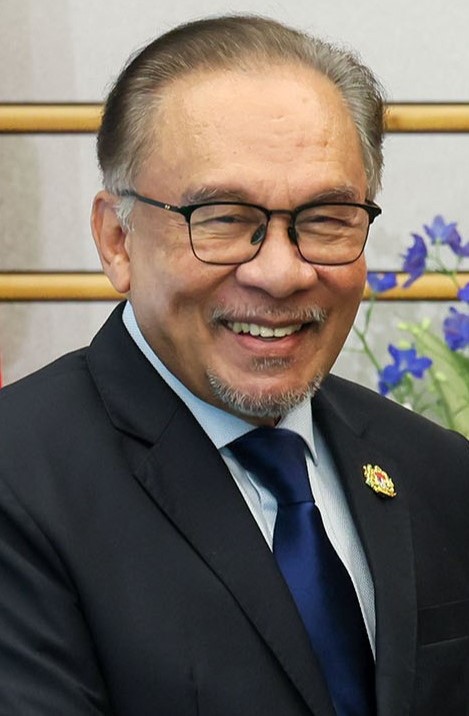
Prime Minister Datuk Seri Anwar Ibrahim and visiting Bangladesh Prime Minister Tarique Rahman have set their sights on transforming defence cooperation between the two nations from a largely dormant agreement into an active, structured partnership. During Rahman's official visit to Putrajaya on June 22, the two leaders reaffirmed their commitment to fully operationalising the Memorandum of Understanding on Defence Cooperation, signalling a significant step forward in military collaboration across Southeast Asia and South Asia's maritime boundaries.
The bilateral defence relationship, while described as longstanding, has historically relied on symbolic gestures and periodic engagement rather than comprehensive operational frameworks. The activation of the MoU now promises to place defence cooperation on a more systematic footing, with particular emphasis on military science advancement, technical expertise transfer, and collaborative development within the defence industry. For Malaysia, this represents an opportunity to strengthen ties with a nation of strategic importance in the Bay of Bengal region, while Bangladesh gains access to Malaysia's more advanced military capabilities and experience.
Central to the revitalised partnership is the establishment of the bilateral Joint Committee on Defence Cooperation, which will serve as the institutional mechanism for crafting a detailed defence roadmap between Kuala Lumpur and Dhaka. This committee structure brings professional discipline to what might otherwise remain ad hoc interactions, ensuring continuity regardless of political transitions or personnel changes. The framework signals that both governments view defence cooperation not as a diplomatic courtesy but as a substantive security priority requiring sustained institutional attention.
Capacity-building emerges as a cornerstone of the renewed arrangement. Both nations have committed to reciprocal seat allocations at their National Defence Colleges and Command and Staff Colleges, enabling military officers from each country to participate in advanced strategic and operational training. Such educational exchange programmes have historically proven valuable in building mutual understanding among military leadership and fostering professional networks that transcend formal diplomatic channels. Malaysian defence institutions will gain exposure to South Asian strategic perspectives, while Bangladeshi officers benefit from Malaysia's expertise in Southeast Asian maritime security challenges.
Peacekeeping operations represent another significant area of collaboration. Malaysia and Bangladesh have pledged to deepen their engagement in United Nations peacekeeping through joint tactical exercises, coordinated pre-deployment training, and systematic knowledge-sharing concerning complex global security environments. Bangladesh maintains substantial UN peacekeeping deployments across Africa and the Middle East, while Malaysia contributes personnel to select missions. Enhanced coordination between their respective military establishments could improve operational effectiveness while reducing duplication in training and logistics.
Counterterrorism cooperation assumes heightened importance given regional security dynamics. The joint statement explicitly reaffirms commitment to preventing and combating terrorism and violent extremism in all manifestations, with mechanisms including intelligence sharing, information exchange, capacity-building initiatives, and best-practice dissemination. For Malaysia, dealing with persistent terrorism threats stemming from various transnational networks, cooperation with Bangladesh offers valuable intelligence perspectives on militant activities within South Asia that may have regional ripple effects.
Beyond defence matters, the bilateral relationship encompasses substantial educational dimensions. Bangladesh maintains a significant student presence in Malaysia, with approximately 11,000 nationals currently enrolled across Malaysian institutions. Both governments recognise these students as ambassadors of goodwill and as conduits for sustained people-to-people linkages. The joint statement emphasises expanding university-to-university partnerships and joint research programmes, particularly in technical and vocational education, reflecting an understanding that human capital development strengthens long-term bilateral relations.
Educational cooperation extends to mutual recognition of qualifications and joint degree programmes, with particular attention to flexible learning pathways that align academic offerings with labour market demands in both nations. This pragmatic approach acknowledges that graduates from collaborative programmes require credentials respected across borders, facilitating graduate mobility and contributing to skills development in priority sectors. Malaysia's advanced technical education infrastructure and Bangladesh's growing demand for skilled professionals create natural complementarities that both governments are now formalising.
Tourism initiatives capitalise on these strengthening ties while generating economic benefits. Both leaders expressed enthusiasm for expanding tourism cooperation amid Malaysia's "Visit Malaysia 2026" campaign and "Malaysia Year of Medical Tourism 2026" initiatives. Bangladesh represents a significant potential source market for Malaysian tourism, with a large diaspora, growing middle class, and rising leisure travel capacity. Medical tourism particularly offers opportunities given Malaysia's competitive healthcare costs and international-standard facilities attracting patients from across South Asia.
The timing of this enhanced cooperation reflects broader regional geopolitical shifts. As Southeast Asian nations seek to diversify partnerships beyond traditional Western relationships, engagement with major South Asian players like Bangladesh strengthens regional connectivity. For Malaysia, a more active relationship with Bangladesh aligns with efforts to position itself as a hub for intra-Asian cooperation spanning South and Southeast Asia. Bangladesh's geographic centrality, substantial military capabilities, and growing economic importance make it a natural strategic partner for Kuala Lumpur.
The activation of these cooperation mechanisms also addresses practical challenges both nations face. Military capability gaps that Malaysia can help address through training and technology transfer are particularly relevant as Bangladesh modernises its defence forces. Conversely, Bangladesh's operational experience in diverse peacekeeping environments provides Malaysian strategists with valuable insights into evolving security challenges. Educational partnerships leverage Malaysian institutional strengths while addressing Bangladesh's human resource development needs.
Moving forward, success depends on translating rhetorical commitments into sustained institutional implementation. The establishment of the Joint Committee on Defence Cooperation provides the necessary structural framework, yet requires consistent high-level political support and adequate resource allocation from both governments. Regular bilateral meetings, rotating defence delegations, and joint exercises will determine whether the MoU becomes a genuine instrument of strategic partnership or remains another unsigned framework gathering dust in government archives. For Southeast Asia, a more robust Malaysia-Bangladesh relationship contributes to regional stability and multilateral cooperation in addressing shared security challenges.