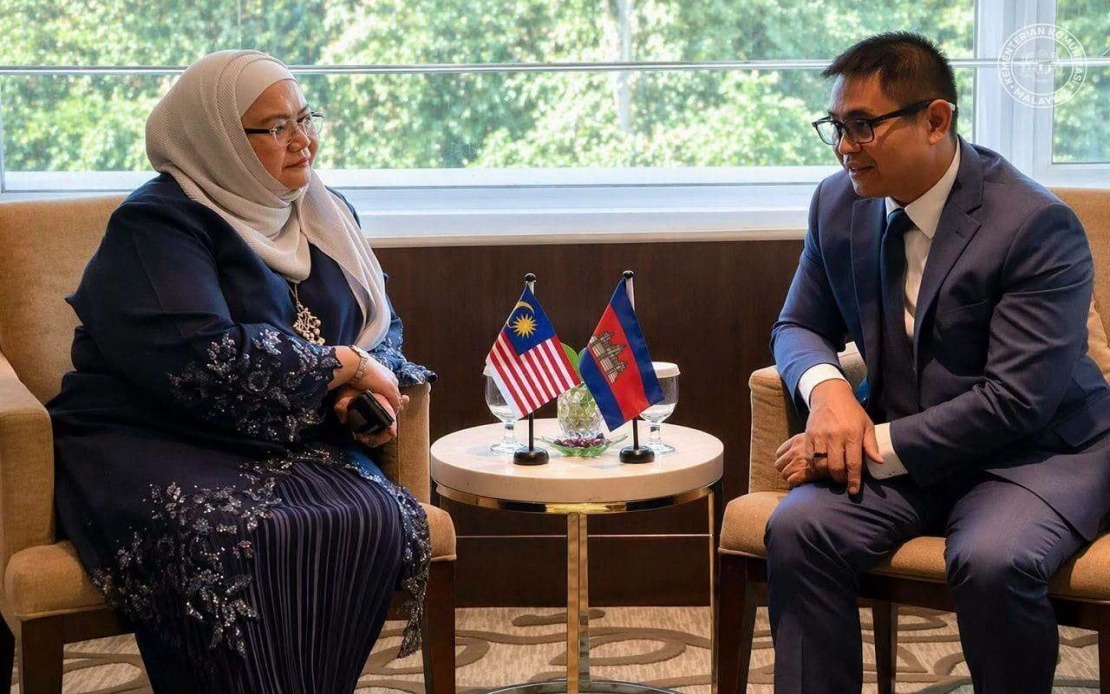
Malaysia and Cambodia are progressing efforts to operationalize a newly signed media partnership, holding substantive discussions on how the two nations will collaborate on information sharing, journalism standards, and digital transformation initiatives. The bilateral engagement took place during the 23rd ASEAN Senior Officials Responsible for Information (SOMRI) Meeting in Bandar Seri Begawan, Brunei, underscoring the significance both governments place on strengthening ties within Southeast Asia's broader information and communications ecosystem.
The Memorandum of Understanding on Information and Media Development Cooperation was formalized on June 20, with Communications Minister Datuk Fahmi Fadzil and Cambodian Information Ministry Secretary of State Prak Thaveak Amida executing the accord ad referendum—a procedure allowing signatories to bind their countries pending formal ratification. The agreement emerged from discussions held during the recent National Journalists' Day (HAWANA) 2026 celebration in Penang, suggesting that media freedom and professional standards considerations shaped the partnership's foundation.
Datuk Bahria Mohd Tamil, Deputy Secretary-General for Strategic Communications and Creative Industry at Malaysia's communications ministry, led the Malaysian contingent through the implementation discussions, while Prak Thaveak Amida headed Cambodia's delegation. Their respective roles indicate that both governments are treating this arrangement as a substantive policy initiative rather than ceremonial engagement, with strategic communications officials directly overseeing technical and operational details.
The framework encompasses several interconnected dimensions of modern media cooperation. Information exchange mechanisms form the partnership's core, enabling both nations to share journalistic resources, research insights, and best practices across their respective sectors. This horizontal knowledge transfer is particularly valuable given Malaysia's more developed media infrastructure and Cambodia's evolving broadcasting landscape, creating mutual learning opportunities rather than a one-directional advisory relationship.
Digital transformation represents another pillar driving the bilateral cooperation. As Southeast Asian societies increasingly migrate toward digital-first news consumption and social media-driven information flows, coordinated approaches to technology adoption, platform regulation, and digital journalism standards become essential. The MoU provides formal channels for Malaysia and Cambodia to align their digital media policies, potentially reducing friction and establishing compatible regulatory frameworks that benefit cross-border operations and journalistic collaboration.
Critically, both countries have identified information integrity as a paramount concern within their partnership. This focus reflects widespread regional anxiety about misinformation, disinformation, and the weaponization of media ecosystems during politically sensitive periods. By establishing joint mechanisms to address false information and develop shared standards for fact-checking, media literacy, and source verification, Malaysia and Cambodia position themselves within a growing international cohort treating media integrity as foundational to democratic stability and public trust.
The evolving media landscape—characterized by algorithm-driven content distribution, artificial intelligence-generated content, and fragmented audience attention—presents novel challenges that no single nation can address in isolation. Cambodia's relatively nascent regulatory frameworks for digital media present opportunities for Malaysia to share regulatory lessons and technical expertise, while Cambodia's experience managing information flows across diverse ethnic and linguistic communities offers Malaysian policymakers valuable perspectives on inclusive communication strategies.
This cooperation also reflects broader ASEAN commitments to regional stability through coordinated information policies. The SOMRI framework, within which these bilateral discussions occurred, serves as the institutional mechanism for Southeast Asian governments to harmonize approaches toward media development, press freedom standards, and counter-disinformation efforts. Malaysia's proactive engagement with Cambodia through this forum demonstrates commitment to strengthening ASEAN's collective capacity to navigate information challenges.
For Malaysian stakeholders—including media organizations, journalism training institutions, and technology companies—the agreement opens pathways for expanded operations in Cambodia's growing media market. Cambodian counterparts gain access to Malaysian expertise in media management, digital innovation, and professional journalism standards. The partnership also creates opportunities for joint research initiatives, academic exchanges, and professional development programs that can elevate standards across both nations.
The strategic timing of these discussions, occurring during Malaysia's broader engagement with ASEAN on information policy matters, suggests this bilateral arrangement functions as both a standalone initiative and a building block for regional coordination. As disinformation campaigns increasingly transcend borders and social media algorithms operate across entire regions, bilateral partnerships like the Malaysia-Cambodia MoU establish foundational trust and operational protocols that can eventually scale toward multilateral frameworks.
Moving forward, the success of this implementation phase will depend on establishing concrete mechanisms for regular dialogue, clearly defined joint projects, and adequate resource allocation by both governments. Early priorities should include identifying specific working groups, establishing timelines for capacity-building initiatives, and creating platforms for regular technical-level engagement between Malaysian and Cambodian media professionals and policymakers. The outcomes will likely influence how other ASEAN partners approach similar bilateral media arrangements, making this partnership instructive for the broader region's information governance evolution.

