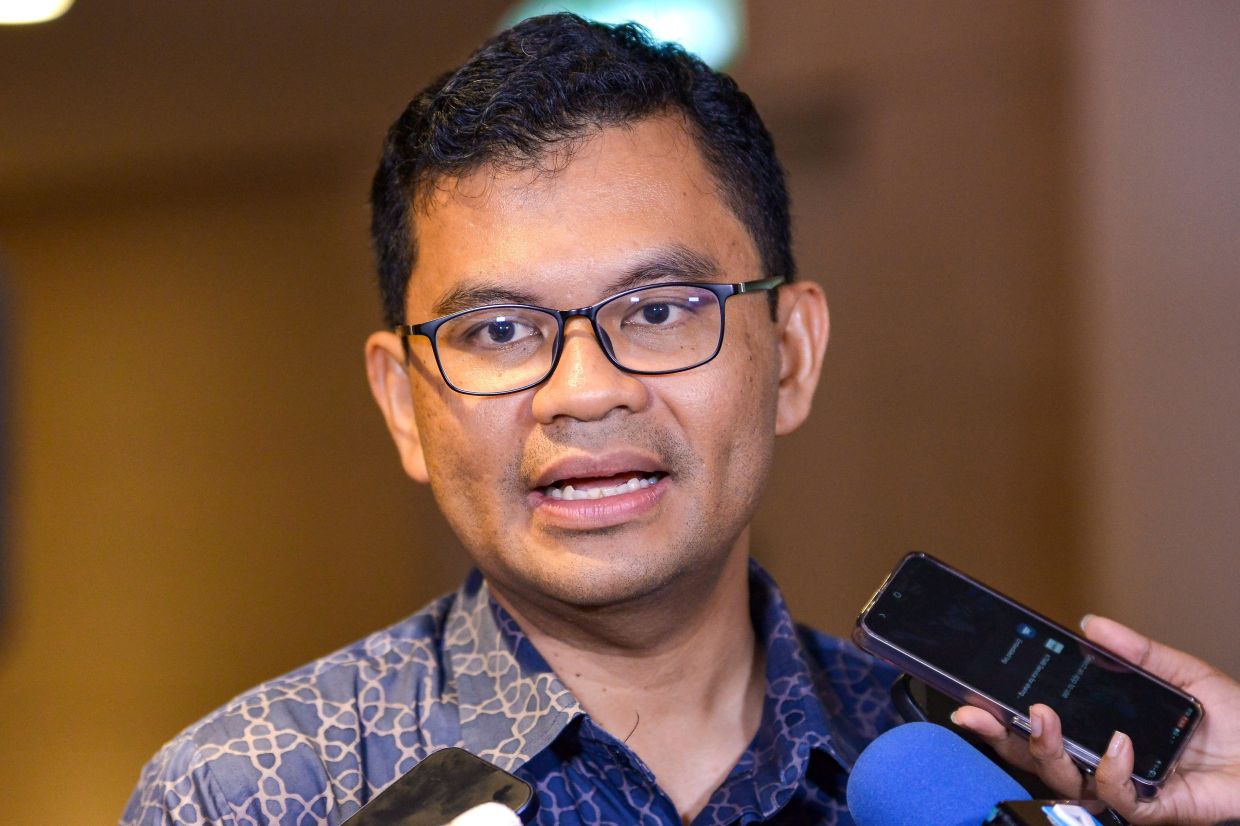
Malaysia has taken a significant step forward in its renewable energy ambitions by awarding 42 companies projects under the 2026 Feed-in Tariff (FiT) mechanism, with the portfolio expected to mobilise approximately RM4.3 billion in total capital investment across the nation. Economy Minister Akmal Nasrullah Mohd Nasir unveiled the selection at the 7th International Sustainable Energy Summit, underscoring the government's commitment to transitioning towards cleaner energy sources whilst simultaneously stimulating domestic economic activity.
The successful awardees will develop across three renewable energy categories: 16 biogas facilities, 11 biomass operations and 15 small hydropower installations. Together, these projects represent a combined approved generating capacity of 331.355 megawatts, marking a substantial addition to Malaysia's renewable energy portfolio. The distribution across technologies reflects a deliberate strategy to diversify energy sources and leverage the country's varied geographical and industrial characteristics, from agricultural residues suitable for biomass conversion to river systems capable of supporting small-scale hydro generation.
Within this portfolio, biogas projects will contribute 26.185 megawatts of capacity, whilst biomass initiatives account for the largest share at 135.94 megawatts. Small hydropower schemes will generate 169.23 megawatts, demonstrating the potential of Malaysia's water resources in renewable energy production. This balanced mix across different technologies and scales suggests a portfolio approach designed to minimise risk while maximising the utilisation of diverse resource bases across different regions of the country.
Beyond the direct energy generation outcomes, the FiT awards are projected to stimulate significant ancillary economic activity. The projects are expected to generate approximately RM617 million in demand for locally manufactured gas engines and boilers, representing a substantial windfall for Malaysia's manufacturing sector. This demand will primarily benefit domestic producers of energy generation equipment, effectively creating a multiplier effect that extends beyond the renewable energy industry itself and supports wider industrial competitiveness.
Employment creation represents another critical dimension of the initiative. The collective deployment of these 42 projects is anticipated to generate approximately 7,738 indirect employment opportunities across the economy. These jobs will span not only direct installation and operation roles but also extend to supporting industries such as equipment manufacturing, logistics, project management and technical maintenance. For communities in regions selected for these developments, the employment opportunities could provide meaningful economic stimulus and skills development pathways.
The selection process for these winning projects incorporated multiple evaluation criteria, reflecting a sophisticated approach to project assessment. Economy Minister Akmal Nasrullah indicated that decisions took into account site suitability, ensuring projects would be technically viable and environmentally appropriate; tariff rates offered by bidders, determining cost-effectiveness and long-term viability; and broader technical considerations related to grid integration and operational reliability. Additionally, selectors evaluated the availability of supporting ecosystem infrastructure, acknowledging that renewable energy projects do not operate in isolation but require functional supply chains, skilled labour pools and regulatory frameworks.
The competitive process generated substantial interest from the private sector. The Sustainable Energy Development Authority (SEDA) Malaysia received a total of 48 applications for biogas, biomass and small hydropower resources, representing a combined capacity of 370.480 megawatts. The fact that 42 projects were selected from this pool suggests an approval rate of roughly 87.5 percent by capacity, indicating that whilst the selection process was rigorous, the majority of applicants meeting basic criteria were approved. This high approval rate signals both strong market confidence in renewable energy opportunities under the FiT mechanism and SEDA's confidence in project quality across the application pool.
For Malaysia, the 2026 FiT awards align with broader national objectives articulated by the Economy Ministry. The initiative is explicitly designed to increase the proportion of renewable energy within the national energy mix, addressing both domestic climate commitments and international pressure to transition away from fossil fuel dependence. Simultaneously, the scheme strengthens domestic supply chains by creating concentrated demand for locally manufactured equipment, supporting the development of competitive renewable energy industries that could potentially serve regional and international markets in future.
The investment attraction dimension cannot be overlooked. By establishing a stable, predictable tariff framework and demonstrating commitment through substantial project awards, Malaysia sends a signal to both domestic and foreign investors that renewable energy constitutes a sound investment opportunity. This confidence-building exercise is particularly important given the capital-intensive nature of renewable projects, which typically require long-term financing secured through predictable revenue streams. The FiT mechanism provides precisely this security, making Malaysian renewable projects increasingly attractive to institutional investors.
Implementation timelines remain crucial to project success. The Economy Minister indicated that these 42 projects are targeted to be fully operational and integrated into the electricity system between 2029 and 2030, providing a realistic seven to eight-year development window. This timeline accounts for the various phases of project execution, including detailed engineering, equipment procurement, construction and grid connection procedures. The multi-year implementation horizon also allows for any refinements to regulatory frameworks or technical standards that may emerge as earlier projects progress through development stages.
For Southeast Asia broadly, Malaysia's renewable energy push carries significance as a demonstration of how developing economies can simultaneously pursue energy transition and economic growth objectives. The emphasis on local manufacturing and employment creation offers a model that other regional economies might emulate as they develop their own renewable energy frameworks. Furthermore, as Malaysia builds manufacturing capacity for renewable energy equipment, potential exists for cross-border supply chains within ASEAN, creating opportunities for regional economic integration centred on the clean energy transition.
The 2026 FiT awards represent a pivotal moment in Malaysia's energy transition journey. By mobilising RM4.3 billion in investment whilst generating nearly 8,000 indirect jobs and establishing manufacturing demand for renewable energy equipment, the initiative demonstrates that climate action and economic development need not be competing objectives. Rather, carefully structured policy frameworks like the FiT mechanism can align environmental sustainability with commercial opportunity, creating virtuous cycles of investment, employment and industrial development that strengthen national competitiveness whilst advancing clean energy objectives.

