Malaysia has formally entered the race for a non-permanent seat on the United Nations Security Council, submitting its candidacy for the 2036–2037 term in a move that underscores Kuala Lumpur's commitment to shaping global governance structures. The application reflects a deliberate strategic positioning by Malaysia within the international system, particularly as regional powers increasingly compete for roles in agenda-setting forums.
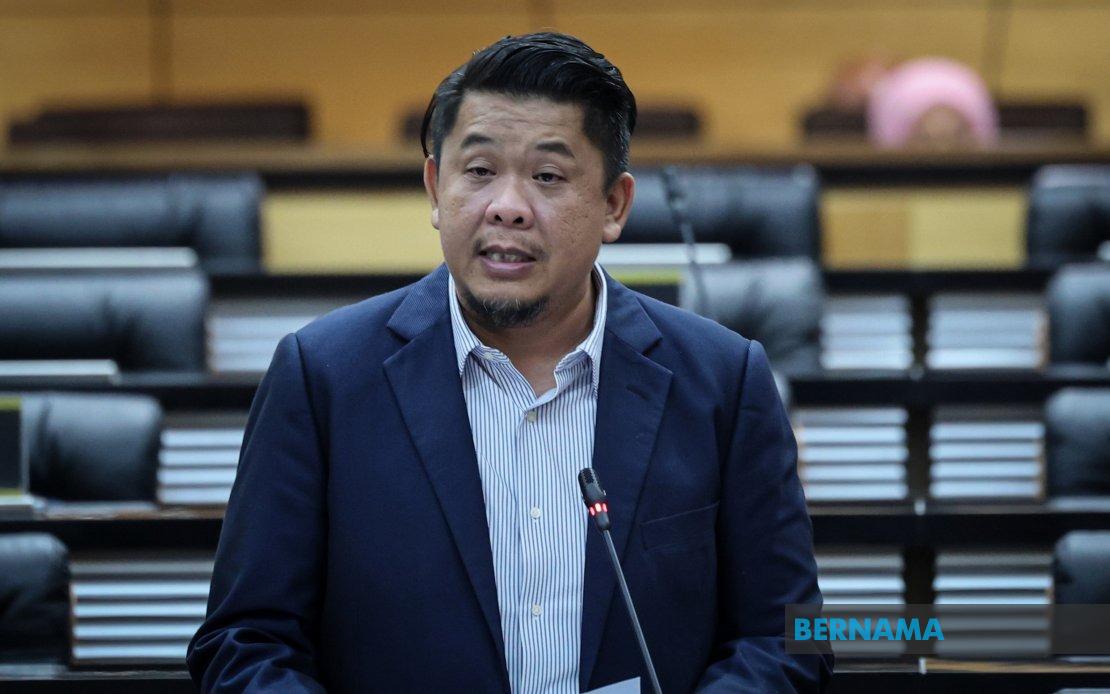
Deputy Foreign Minister Datuk Lukanisman Awang Sauni revealed the submission while addressing parliament, framing Malaysia's candidacy within a broader vision of institutional reform at the UN's most powerful body. The bid signals that Malaysia views this period as an opportune moment to advocate for systemic changes long advocated by developing nations, placing the country alongside other voices calling for a democratisation of international decision-making processes.
Central to Malaysia's campaign platform is an aggressive push to eliminate or severely constrain the veto power wielded by the five permanent members of the Security Council. Malaysia's position directly challenges the post-World War II architecture that has granted the United States, United Kingdom, France, Russia, and China absolute blocking power over all substantive Council decisions. Datuk Lukanisman articulated this stance with particular force, describing the veto mechanism as fundamentally unjust and incompatible with modern international law principles.
The deputy minister's parliamentary comments suggest Malaysia will advocate not merely for wholesale abolition—a goal that many acknowledge faces insurmountable political obstacles—but also for practical restrictions on veto deployment in the most egregious cases. The list provided by Datuk Lukanisman is notably specific: war crimes, genocide, crimes against humanity, and deliberate attacks on civilian infrastructure. This framing deliberately invokes recent international events, particularly the conflict in Gaza, which has generated widespread criticism of the Council's paralysis when permanent members protect allies from accountability.
Malaysia's diplomatic strategy appears designed to resonate with fellow non-aligned and developing nations that have long protested the structural inequalities embedded in the Security Council. By pledging to champion veto reform during the upcoming 81st UN General Assembly in New York this September, Kuala Lumpur is positioning itself as a voice for the Global South, a coalition increasingly assertive in demanding institutional changes that reflect contemporary geopolitical realities rather than mid-twentieth-century power arrangements.
Foreign Minister Datuk Seri Mohamad Hasan is scheduled to deliver Malaysia's National Statement during the September gathering, providing a prominent platform to articulate these positions before the international community. This timing allows Malaysia to build momentum for its UNSC bid while simultaneously advancing a principled stance on governance reform that has broad appeal across developing economies. The dual messaging—seeking a seat while championing systemic change—creates a coherent narrative around Malaysia's UN engagement.
The Security Council reform debate has intensified in recent years as critics argue that the veto provision paralyses the body when the interests of powerful nations diverge from international humanitarian concerns. The Gaza situation has amplified these complaints, with numerous countries expressing frustration that the Council cannot implement decisive action when one permanent member objects. Malaysia's explicit reference to this conflict demonstrates how contemporary crises are informing traditional diplomatic positioning.
For Malaysia specifically, Council membership would offer enhanced influence over regional security matters while providing a platform to advocate for Southeast Asian interests within a global context. The 2036–2037 term would fall within a period when geopolitical tensions in the Asia-Pacific region remain likely, potentially allowing Malaysia to shape international responses to developments affecting the region. Additionally, securing a non-permanent seat would represent a significant diplomatic achievement, enhancing Malaysia's standing among developing nations.
The candidacy also reflects Malaysia's broader foreign policy alignment, which has increasingly emphasised multilateralism and institutional engagement as tools for advancing national interests. By tying its bid explicitly to governance reform principles rather than purely national interests, Malaysia leverages both aspirational values and pragmatic calculations. This approach appeals simultaneously to progressive blocs within the UN system while demonstrating that Malaysia can be trusted to advance broader developmental and justice-oriented agendas.
However, Malaysia's campaign will face headwinds. The veto reform agenda, however morally compelling, remains politically intractable given that the permanent members benefit directly from their privileged status. Other regional candidates will likely mount competing campaigns, and Malaysia must navigate complex diplomatic balancing acts with various power blocs. Nevertheless, the explicit articulation of reform priorities, particularly around constraining veto use in humanitarian crises, positions Malaysia as a candidate with a substantive platform rather than one seeking influence for its own sake.
The submission itself represents a longer-term investment in Malaysia's international positioning. Even if the 2036–2037 bid faces challenges, the repeated emphasis on veto reform and global peace establishes consistent messaging that will resonate with delegations prioritising ethical governance. Over the coming months, Malaysia's diplomatic corps will conduct intensive engagement with UN member states, building the electoral coalition necessary to secure the seat. The parliamentary articulation of these positions domestically signals that this initiative enjoys governmental backing and will remain a priority throughout the candidacy period.

