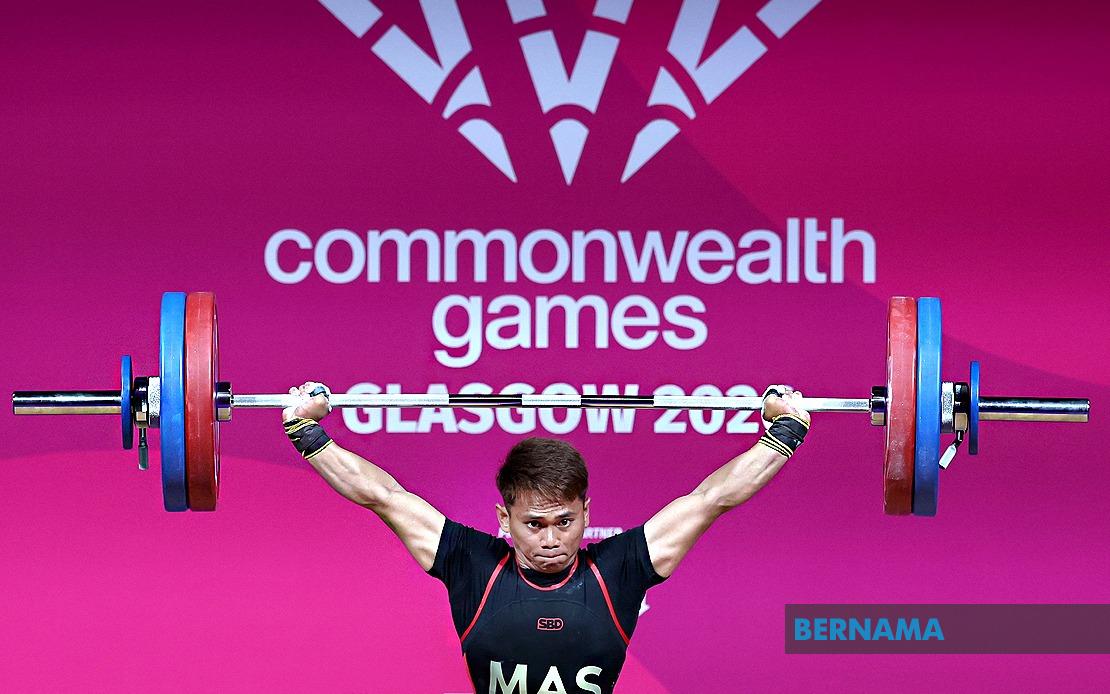
Malaysia has claimed its maiden gold medal at the 2026 Commonwealth Games, with weightlifter Mohamad Aniq Kasdan triumphing in the men's 60 kilogramme category at Scottish Event Campus Armadillo in Glasgow, Scotland. The 24-year-old's victory represents an early highlight for the Malaysian contingent competing at the Scottish event, and has prompted immediate recognition from the country's highest political leadership.
Prime Minister Datuk Seri Anwar Ibrahim publicly commended the young athlete for his exceptional performance, framing the achievement as a source of national pride and a testament to the calibre of Malaysia's sporting talent. In a statement posted to social media, Anwar emphasised that Mohamad Aniq's success resonates beyond the individual athlete, reflecting positively on the nation's standing within the international sports community and demonstrating Malaysia's capacity to compete at elite levels.
The weightlifter's winning performance was particularly impressive from a technical standpoint. Mohamad Aniq achieved a combined lift of 273 kilogrammes, comprising 121 kilogrammes in the snatch discipline and 152 kilogrammes in the clean and jerk. This aggregate not only secured the top podium position but also established a new Commonwealth Games record for the 60kg men's category, marking a notable milestone in the sport's history within the Games framework.
Competition at the event was robust, with Mohamad Aniq edging out India's Rishikanta Singh Chanambam, who finished as the silver medalist with a combined lift of 264 kilogrammes. Kenya's Joshua Amunga Mboya completed the podium by securing the bronze medal, registering a lift of 260 kilogrammes. The relatively narrow margins between the medalists underscore the technical precision and strength required to excel in weightlifting at the Commonwealth Games level.
The Prime Minister's message carried broader implications for Malaysia's athletic efforts throughout the Glasgow Games. In his statement, Anwar expressed hope that Mohamad Aniq's breakthrough would galvanise other Malaysian competitors to pursue additional medal success, suggesting that the psychological momentum generated by an early gold medal could prove valuable for the rest of the campaign. This approach reflects a common sports management strategy, where early victories establish confidence and demonstrate that medal targets are achievable.
Moreover, Anwar's emphasis on national prayers accompanying the athletes indicates the personalised engagement of Malaysia's political leadership with sporting outcomes. Such public support, particularly from the Prime Minister's office, carries significance in Malaysian sporting culture, where political endorsement often translates into enhanced visibility and resources for athletes. This backing can strengthen the morale of the entire delegation and underscores the government's investment in developing Malaysian sporting excellence.
Weightlifting holds particular strategic importance within Malaysia's Commonwealth Games participation strategy. The sport has historically delivered medals for the nation and requires substantial investment in training facilities, coaching expertise, and athlete development programmes. Mohamad Aniq's emergence as a champion represents the culmination of years of preparatory work, likely involving coaching staff at the national weightlifting body and support from sports science institutions across the country.
The 60 kilogramme category in men's weightlifting is traditionally highly competitive at the Commonwealth Games, drawing participants from nations with robust strength-sport traditions. India, Kenya, and other Commonwealth nations maintain dedicated weightlifting programmes, making victories in this category particularly noteworthy. Mohamad Aniq's capacity to set a Games record while defeating experienced competitors from larger nations indicates not merely technical proficiency but also the mental resilience necessary to perform optimally under high-pressure international conditions.
For Malaysian sports administrators and coaches observing the competition, Mohamad Aniq's achievement provides both validation of current training methodologies and a benchmark against which future weightlifters can be measured. The Games record he has established may become a target for subsequent Commonwealth Games competitions, potentially driving continuous improvement within Malaysia's weightlifting programme. This incremental advancement across competition cycles is how sporting nations build sustained success in individual disciplines.
The broader context of Malaysia's participation in the Glasgow Commonwealth Games involves competition across multiple sports and disciplines. Early success in high-profile events such as weightlifting establishes positive narratives that can permeate media coverage and public perception of the entire delegation's performance. Mohamad Aniq's gold medal therefore carries significance extending beyond the individual sport, potentially influencing public enthusiasm for Malaysian athletes and contributing to the broader national sports narrative during the Games period.
Looking forward, the performance metric established by Mohamad Aniq—both the gold medal and the Games record—establishes expectations for future Commonwealth Games iterations. Malaysian weightlifting officials will likely aim to replicate such success at subsequent Games, potentially through identifying and developing younger athletes who might challenge the records now set. This cyclical approach to sporting development ensures that early successes translate into sustained competitive advantage across future competition cycles.

