The stage is set for Malaysia to commemorate its independence with unprecedented scale this coming year. The 2026 National Day and Malaysia Day celebrations, known locally as HKHM 2026, will showcase an expanded array of programmes designed to deepen national consciousness and foster unity across the country. The excitement builds as the Communications Ministry prepares to unveil the complete scope of festivities through tomorrow's launch of the 2026 National Month Celebration and Jalur Gemilang Flag-Waving Campaign, an initiative that has become central to how Malaysians mark this significant period on the calendar.
According to Datuk Aminurrahim Mohamed, Senior Undersecretary at the Communications Ministry and working secretary of the HKHM 2026 Main Committee, planners have devised an eclectic mix of cultural and civic activities intended to resonate with diverse audiences. The centrepiece countdown programming includes Kembara Bahasa HKHM 2026, a language-focused initiative that underscores the role of Bahasa Malaysia in national identity, alongside RIUH Merdeka, an entertainment-oriented component designed to energise public participation. These offerings reflect a deliberate strategy to blend educational content with popular appeal, recognising that sustained engagement requires offerings that cater to both intellectually curious citizens and those seeking entertainment value.
Beyond the marquee events, organisers are introducing fresh elements crafted to reignite patriotic sentiments among Malaysians. The continuation of the Qur'an Hour programme demonstrates an intentional approach to inclusivity, acknowledging the role of faith-based activities in national celebrations. However, authorities are strategically withholding details of several new components, a calculated move designed to maintain public anticipation and generate what officials term a "wow factor" that will keep citizens engaged throughout the countdown period. This approach to information management reflects lessons learned from previous years' celebrations regarding maintaining interest over extended promotional periods.
The initiative carries implications that extend beyond symbolic patriotism. Aminurrahim has called upon Malaysians to demonstrate national pride through tangible actions, urging citizens to display the Jalur Gemilang flag and broadcast patriotic music in their homes and communities. He framed these actions not merely as celebratory gestures but as expressions of deeper commitment to the nation's wellbeing. His emphasis on prayer for the country's continued peace and prosperity added a spiritual dimension to the call for national consciousness, positioning the 2026 celebrations within a broader framework of civic responsibility.
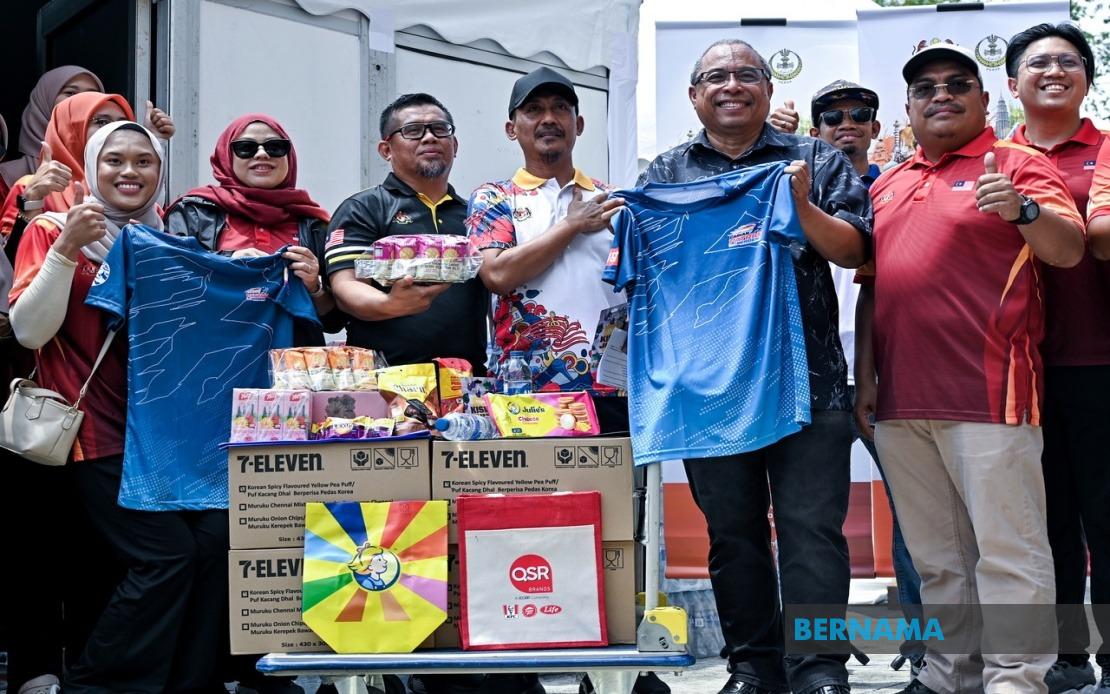
The financing model underlying these celebrations reflects significant confidence in private sector alignment with national commemorative events. Corporate sponsorship has historically been crucial for enabling large-scale public festivities, and this year's effort appears to have captured genuine enthusiasm from Malaysian businesses. The Communications Ministry has secured commitments from fifteen companies for the Ipoh launch alone, a list encompassing logistics provider J&T, convenience store chain 7-Eleven, coffee brand ZUS Coffee, and restaurant group QSR Brands. This roster illustrates how celebrations of national significance attract diverse commercial entities seeking brand association with patriotic messaging.
The sponsorship landscape offers particular interest for analysts monitoring corporate Malaysia's engagement with state initiatives. The fact that organisers may exceed last year's funding levels suggests either genuine enthusiasm for the 2026 celebration concept or perhaps enhanced corporate recognition of reputational benefits from visible association with national events. For smaller Malaysian enterprises and international companies operating locally, sponsorship of national celebrations provides accessible platforms for demonstrating corporate citizenship. The breadth of sponsor categories—spanning logistics, retail, beverages, and food service—indicates that patriotic positioning transcends traditional corporate boundaries.
The ceremonial centrepiece takes place tomorrow morning in Ipoh, where Prime Minister Datuk Seri Anwar Ibrahim will officiate proceedings commencing at ten o'clock. The event will unfold as a carefully choreographed showcase combining athletic and cultural elements. The Patriot Merdeka Run in the morning hours is designed to mobilise community participation, transforming physical activity into patriotic expression. By evening, organisers will premiere the HKHM2026 theme song through performance by a prominent Malaysian male vocalist, an artistic component designed to create a memorable cultural touchstone for the entire celebration period. The anticipated three thousand guests represent a significant gathering, suggesting the Communications Ministry views this as a major statement occasion.
The broadcasting approach adopted for tomorrow's ceremony reflects contemporary media consumption patterns while maintaining the public accessibility that characterises national celebrations. Radio Televisyen Malaysia will provide traditional television coverage, while Bernama ensures newswire distribution reaches outlets nationwide. The inclusion of Facebook Live streams across Merdeka360, the Communications Ministry, and the Information Department's pages indicates recognition that substantial audiences consume national events through digital platforms rather than conventional broadcast channels. This multi-channel dissemination strategy ensures that geographical location no longer restricts access to ceremonial proceedings.
For Malaysian viewers and observers, the 2026 celebrations represent more than calendar observance. The emphasis on new programming elements, the scale of corporate participation, and the involvement of the Prime Minister signal that national leadership considers these commemorations vital for sustaining civic consciousness. In the Malaysian context, where diverse religious and ethnic communities comprise the national polity, celebrations framed around independence and national identity serve functional purposes beyond entertainment. They provide occasion for reflection on shared citizenship and national achievements, particularly important during periods when political dynamics or social divisions might otherwise dominate public discourse.
The expansion of patriotic programming also reflects evolving demographics. Younger Malaysians, particularly those engaging primarily through social media and streaming platforms, require different engagement strategies than previous generations. The introduction of new elements alongside traditional programming attempts to bridge this generational divide, ensuring that national celebrations remain relevant and compelling across age cohorts. The strategic withholding of programme details suggests organisers understand that sustained anticipation, particularly when mediated through social media discussion and speculation, can amplify ultimate impact.
Regional implications deserve consideration as well. Within Southeast Asia, Malaysia's approach to national celebrations offers a model for how multiethnic democracies can employ commemorative occasions to strengthen national cohesion. The deliberate inclusion of faith-based programming, the emphasis on linguistic nationalism through Kembara Bahasa, and the integration of commercial and civic sectors demonstrate a sophisticated understanding of how celebrations function as unifying mechanisms. As other regional nations grapple with comparable challenges of maintaining national identity while respecting plurality, Malaysia's 2026 approach merits attention.
Looking forward, the success of the HKHM2026 celebrations will likely be measured not merely by attendance figures or sponsorship levels, but by whether they effectively regenerate patriotic sentiment and civic engagement among Malaysians across demographics. The combination of cultural programming, athletic activities, digital accessibility, and corporate participation suggests organisers have learned from previous iterations. The emphasis on novelty and surprise elements indicates an attempt to overcome potential fatigue with standardised celebratory formats. Whether these strategic innovations translate into genuine renewal of national consciousness will ultimately determine whether the 2026 celebrations succeed in their stated objective of igniting the spirit of patriotism and fostering collective appreciation for Malaysian independence.

