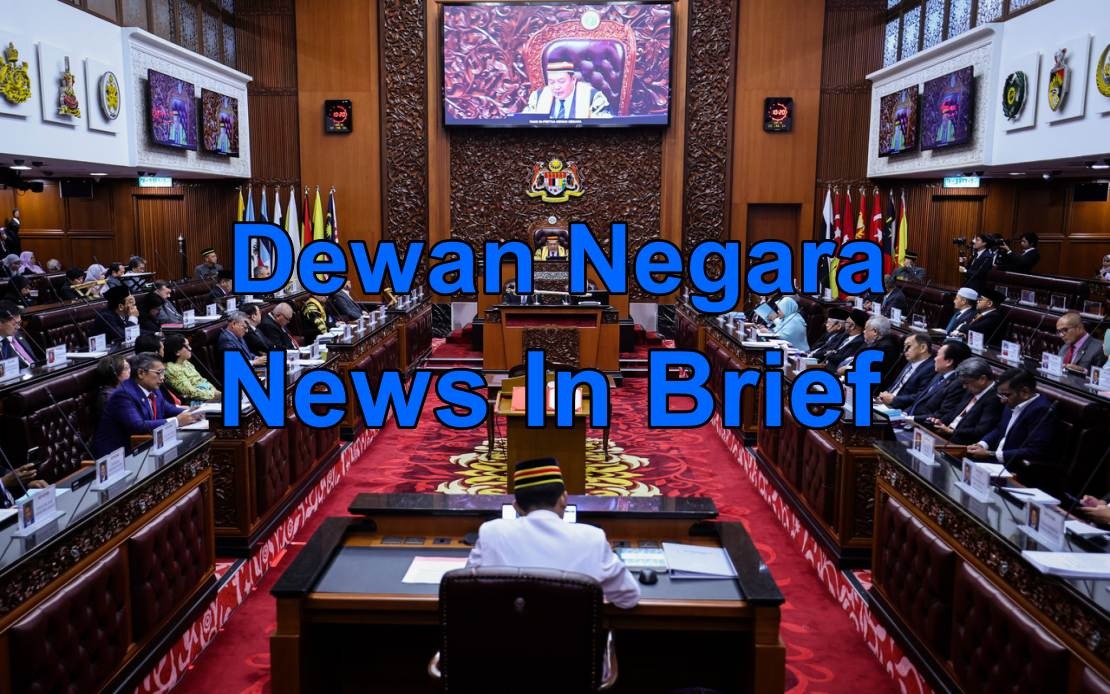
Malaysia's government has intensified its response to the El Nino phenomenon through a systematic cloud seeding campaign, executing 35 operations across strategically selected locations between February and June this year. The initiative represents a proactive stance on environmental management, acknowledging the urgent need to bolster water security as the country faces prolonged drought conditions expected to persist through early 2027. Deputy Minister Syed Ibrahim Syed Noh outlined the programme's multifaceted objectives during parliamentary proceedings, emphasising that the operations serve to enhance rainfall capacity, elevate dam water levels, and simultaneously address the cascading effects of extended dry spells on public health and atmospheric quality.
The cloud seeding operations function as a collaborative effort between multiple government agencies, specifically the Natural Disaster Management Agency and the Royal Malaysian Air Force, with implementation contingent upon favourable atmospheric conditions. This inter-agency coordination reflects the complexity of environmental interventions and the technical precision required to execute effective weather modification programmes. The strategy extends beyond simple rainfall generation, targeting the interconnected challenges of water supply security, haze mitigation, and drought resilience. For Southeast Asian nations monitoring climate volatility, Malaysia's approach offers valuable operational insights into managing El Nino's regional consequences.
Parallel to environmental efforts, Malaysia's labour market has registered significant gains through the Progressive Wage Policy, which has now benefited over 51,363 workers since its inception. The initiative has exceeded its original participation target of 50,000 eligible employees, indicating broader employer buy-in and sustained commitment to wage enhancement mechanisms. Entry-level workers—typically among the region's most economically vulnerable—have experienced median wage increases of 15.79 percent, translating to a RM300 monthly uplift from the baseline of RM1,900 to RM2,200. This represents a meaningful improvement in purchasing power for workers at the lower income spectrum.
The wage gains extend beyond entry-level positions, with non-entry-level workers recording median monthly increases of 10.86 percent, rising from RM2,199.15 to RM2,438. The differentiated percentage increases reflect the policy's design to prioritise compression among lower-wage cohorts whilst maintaining incentive structures across the employment ladder. With 4,025 employers now participating, the programme demonstrates substantial private sector engagement with government-led wage enhancement initiatives. The government's RM300 million allocation across the 2025-2027 period underpins the scheme's financial sustainability and signals long-term commitment to wage-setting reform.
Economy Minister Akmal Nasrullah Mohd Nasir confirmed that a comprehensive impact assessment is underway to evaluate the feasibility of expanding the Progressive Wage Policy's scope and ambition. This evaluation phase proves crucial for understanding the policy's effectiveness in reducing income inequality, improving worker retention rates, and stimulating domestic consumption in lower-income segments. The assessment will likely inform subsequent policy iterations and determine whether the framework can be extended across additional sectors or occupational categories. For Malaysian workers and employers alike, these findings will carry significant implications for future labour market architecture.
On cultural preservation, the Tourism, Arts and Culture Ministry has signalled openness to recognising Malaysian Tamil music and songs as National Heritage under the National Heritage Act 2005. Deputy Minister Chiew Choon Man articulated the regulatory pathway, explaining that such designations require rigorous research, documentation, and evaluation grounded in artistic and historical significance. The process emphasises Malaysia's commitment to acknowledging the contributions of diverse communities to the nation's cultural fabric. Tamil musical traditions, deeply embedded in Malaysian social and religious life for generations, possess substantial historical and communal value that warrants institutional recognition.
The heritage designation process outlined by the ministry establishes a structured framework rather than automatic approval, requiring comprehensive documentation of works' connections to Malaysia's broader historical narrative. This methodical approach ensures that heritage recognition rests on substantive evidence rather than symbolic gestures, creating a credible and enduring legacy framework. Senator K. Saraswathy's parliamentary question reflected broader community interest in formalising the archival and recognition of Malaysian Tamil cultural contributions. The ministry's constructive response indicates receptiveness to the initiative, though formal designation timelines remain contingent upon resource allocation and bureaucratic processes.
Meanwhile, the government has committed to periodic review of merchant discount rates within the Sumbangan Asas Rahmah assistance initiative, addressing concerns that the one percent MDR may disproportionately burden small traders and retailers. Finance Minister II Amir Hamzah Azizan clarified that the MDR structure shifts programme costs from beneficiaries to participating merchants, ensuring aid recipients face no financial barriers. The collected discount revenues flow to Yayasan MyKasih to fund programme operations, including technological infrastructure, merchant training, and complaint resolution mechanisms. This cost-sharing model represents a deliberate policy choice to prioritise accessibility for vulnerable populations.
The government's willingness to revisit MDR levels demonstrates responsiveness to small business concerns whilst maintaining the programme's financial viability. Striking this balance proves challenging in social assistance design, as overly burdensome merchant charges risk deterring participation and constraining aid reach. Small traders and retailers, frequently operating on narrow profit margins, are indeed sensitive to incremental cost increases. The ministry's commitment to ongoing review suggests that policymakers recognise this tension and view rate adjustment as a legitimate tool for programme refinement. Southeast Asian retailers facing similar digital transformation pressures may observe Malaysia's approach as a case study in balancing social objectives with business sustainability.
Collectively, these parliamentary updates reveal a government pursuing multidimensional policy interventions addressing climate resilience, wage equity, cultural preservation, and social assistance accessibility. The cloud seeding programme tackles immediate environmental crisis management, whilst the Progressive Wage Policy addresses structural income inequality in labour markets. Cultural heritage recognition acknowledges Malaysia's ethnic and religious diversity as a strategic national asset. The SARA programme review prioritises vulnerable population access whilst seeking sustainable merchant engagement. These initiatives intersect with broader Southeast Asian development challenges, offering both practical solutions and policy evolution pathways relevant to regional policymakers navigating similar demographic, environmental, and economic pressures.

