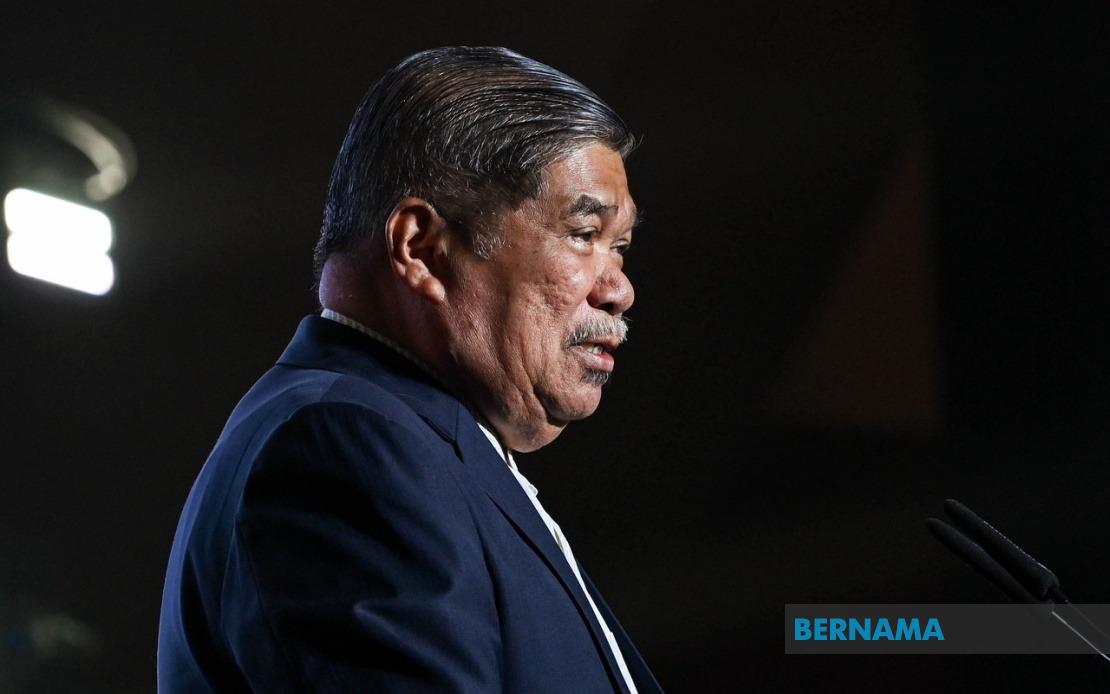
Malaysia's Agriculture and Food Security Minister Datuk Seri Mohamad Sabu has signalled that a breakthrough in trade negotiations with Thailand appears imminent, with government officials expecting to announce results by the conclusion of July. The talks, which have progressed to their closing phases following a recent visit by Thai agricultural ministry representatives, centre on longstanding trade barriers that have hindered bilateral commerce in fisheries and agricultural commodities for nearly a decade.
At the heart of these negotiations is Thailand's embargo on Malaysian shrimp exports, a restriction that has remained in place since 2017 and has cost local producers substantial market access. Alongside this contentious issue, Malaysia has been pursuing approval for its livestock products to enter the Thai market, an application that has stalled since 2024 despite repeated diplomatic efforts. The combination of these two unresolved matters has created a drag on agricultural trade relations between the two neighbours, affecting producers and exporters across both nations.
Mohamad characterised the current state of discussions as entering their decisive stage, describing the pace of resolution as unprecedented in prior bilateral agricultural negotiations. Speaking at the Global Animal Production and Veterinary Industry Summit in Putrajaya, he remarked that inspections would be conducted and that the framework for a settlement was taking shape. His comments suggest that both governments have recognised the mutual benefits of resolving these trade impediments and are motivated to reach a workable compromise.
The significance of this development extends beyond Malaysia and Thailand. For Malaysian producers, particularly shrimp farmers and livestock exporters whose operations depend on access to regional markets, resolution would represent relief from years of commercial uncertainty. The shrimp sector, concentrated mainly in states like Kedah and Perlis, has weathered the restrictions by finding alternative markets, yet Thailand remains a strategically important destination due to geographical proximity and established supply chains. Similarly, Malaysian livestock suppliers have watched their competitive position erode as the application process has dragged on.
Thailand's motivations for negotiating also merit scrutiny. Beyond the mutual economic gains, resolving trade disputes signals to international partners that both nations are committed to functioning regional supply networks and reducing friction within the Association of Southeast Asian Nations framework. Trade normalisation also reflects broader diplomatic efforts to maintain stability and cooperation between two major agricultural producers in Southeast Asia.
Complicating matters further are additional trade restrictions affecting both directions of commerce. Thailand has implemented its own ban on shrimp imports into Malaysia, which became effective on June 1, and has tightened inspections on Malaysian seabass shipments. These measures, while ostensibly grounded in food safety and phytosanitary concerns, have nevertheless created a reciprocal pattern of trade friction that neither side benefits from prolonging.
The government's announcement of these negotiations comes following the first National Food Security Council Meeting of 2026, where officials elevated the urgency of resolving agricultural trade disputes with Thailand. This institutional focus reflects recognition at the highest levels that food security in Malaysia increasingly depends on stable relationships with regional trading partners and that maintaining productive supply chains serves national interests. The meeting underscored how closely intertwined agricultural commerce has become with broader security considerations.
The timing of Mohamad's statements coincides with the Global Animal Production and Veterinary Industry Summit, an event that drew 108 presenters, including 51 international specialists from nations including China, Australia, the United Kingdom, Indonesia, and Vietnam. This gathering provided a multilateral forum for discussing production standards, veterinary protocols, and trade practices—precisely the technical groundwork necessary to undergird any bilateral trade agreement. The summit's emphasis on knowledge exchange and collaborative problem-solving reflects the sophisticated coordination increasingly required to facilitate legitimate trade while maintaining rigorous safety standards.
For Malaysian stakeholders, the promised announcement carries substantial implications. If negotiations succeed, shrimp exporters would regain access to a neighbouring market that understands their products and where supply chains remain partially intact. The livestock industry would similarly benefit from formal market access that has been theoretically available but practically blocked. More broadly, a successful resolution would demonstrate that Malaysia and Thailand can navigate even contentious trade disputes through patient diplomacy.
Regional observers will likely view the outcome as a bellwether for bilateral trade relations during a period when various protectionist pressures and food security concerns have strained commerce across Southeast Asia. A positive result could reinforce faith in ASEAN's commitment to resolving disputes through dialogue rather than escalation, while a failed outcome might embolden harder-line positions on both sides. The specific terms—whether Thailand agrees to lift its shrimp ban, what conditions Malaysia accepts regarding inspections, and how livestock market access is structured—will shape agricultural commerce for years ahead.
Mohamad's characterisation of the current phase as the quickest resolution process in prior bilateral negotiations suggests both sides have invested political capital in reaching closure. Whether the promised month-end announcement materialises as a comprehensive agreement, a framework for continued talks, or a targeted resolution addressing only certain issues remains unclear. Nevertheless, the signals emanating from both governments indicate that the era of indefinite trade suspension may be approaching its end, offering Malaysian producers the prospect of restored market opportunities in a crucial neighbouring economy.

