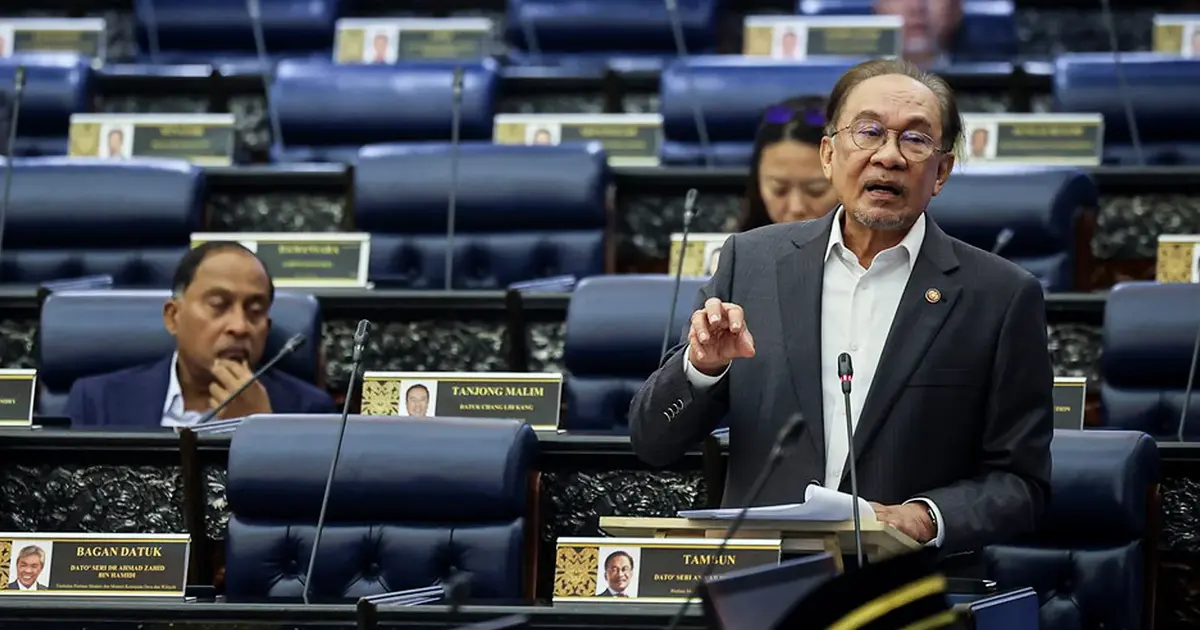
Malaysia's government has signalled a more lenient approach towards companies rectifying errors in their electronic invoicing systems, with Prime Minister Anwar Ibrahim confirming that voluntary corrections will face no financial penalties until the conclusion of 2027. The extended timeline represents a significant buffer period for enterprises still adapting to the mandatory e-invoice framework, which has become a cornerstone of the nation's tax administration modernisation drive.
The government's decision to maintain a penalty-free window reflects growing recognition that the transition to digital invoicing systems has created genuine compliance challenges across Malaysia's business landscape. Many companies, particularly in the manufacturing and trade sectors, have struggled with the technical and procedural aspects of the e-invoice system as they integrate new software platforms and retrain accounting personnel. By extending the grace period, authorities are attempting to balance enforcement objectives with the practical realities of systemic change.
Anwar's announcement carries particular significance given Malaysia's emphasis on widening the tax base and improving revenue collection through digital means. The e-invoice system, a key pillar of the Inland Revenue Board's modernisation agenda, promises enhanced transparency and reduced compliance costs over the long term. However, the government recognises that penalising businesses during the transition phase could generate resentment and undermine broader tax administration reform.
The finance ministry, through the Second Finance Minister, is expected to engage directly with oil companies and other major sectors to address sector-specific implementation issues. This targeted dialogue acknowledges that different industries face distinct challenges in adopting e-invoicing standards. Petroleum and energy companies, for instance, operate complex supply chains with multiple invoicing touchpoints, making systematic compliance particularly intricate.
The extended grace period also reflects lessons learned from previous tax system overhauls in the Southeast Asian region. Countries including Singapore and Indonesia have similarly extended transition periods, recognising that abrupt enforcement measures can disrupt cash flow and investment decisions among small and medium enterprises. Malaysia's approach mirrors regional best practice in sequencing digital transformation with business readiness.
Industry observers note that the announcement provides breathing room for businesses to identify systemic errors and implement corrective mechanisms without financial jeopardy. This creates an opportunity for organisations to upgrade their underlying accounting infrastructure, train staff more thoroughly, and establish robust quality control procedures before penalties commence. The voluntary correction phase essentially functions as an extended pilot period during which companies can stress-test their compliance frameworks.
For multinational corporations and foreign investors operating in Malaysia, the extended timeline reduces regulatory uncertainty and improves the predictability of compliance costs. International businesses often coordinate invoicing practices across regional subsidiaries, and Malaysia's flexible grace period facilitates smoother integration into regional operations. This consideration becomes particularly relevant as Malaysia competes with regional peers for foreign direct investment.
The government's inclusive approach also addresses the practical challenge that many e-invoice errors stem from legitimate disputes over invoice content, timing, and classification rather than deliberate evasion. By allowing corrections without penalty, authorities acknowledge that the system itself may contain ambiguities requiring clarification and adjustment. This flexibility should encourage businesses to flag problematic areas rather than simply accepting non-compliant practices as inevitable.
Looking ahead, the grace period's endpoint in late 2027 provides stakeholders with a concrete implementation horizon. Businesses can now schedule system upgrades, staff training, and process redesigns with firm deadlines in mind. Simultaneously, tax authorities can prepare enforcement strategies and build capacity to process penalty assessments once the grace period concludes. This staged approach distributes administrative burden across multiple years.
The announcement underscores the Malaysian government's commitment to digital transformation as an economic modernisation priority rather than merely a tax collection mechanism. E-invoicing represents a foundational layer for broader initiatives including supply chain digitalisation, real-time trade data collection, and integrated business reporting systems. By protecting businesses during this critical transition phase, the government signals its intention to nurture ecosystem-wide digital maturity.
Sector-specific negotiations between the finance ministry and oil companies assume heightened importance given energy's significance to Malaysia's economy and government revenue. Petroleum companies operate under distinct regulatory frameworks and often maintain long-term invoicing relationships with established suppliers. Customised solutions for such sectors can demonstrate governmental flexibility while maintaining overall compliance objectives.
The extended timeline also creates space for technological improvements to the e-invoice platform itself. Feedback from businesses during the grace period can inform upgrades to system interfaces, validation protocols, and error-handling procedures. This iterative approach recognises that no digital system emerges perfect from inception; continuous refinement based on user experience remains essential.
Ultimately, Malaysia's decision reflects sophisticated tax administration thinking that recognises transformation requires both firmness and flexibility. The penalty-free correction period through 2027 balances the government's revenue objectives against business sector realities, positioning digital invoicing as a shared modernisation endeavour rather than a punitive compliance regime.

