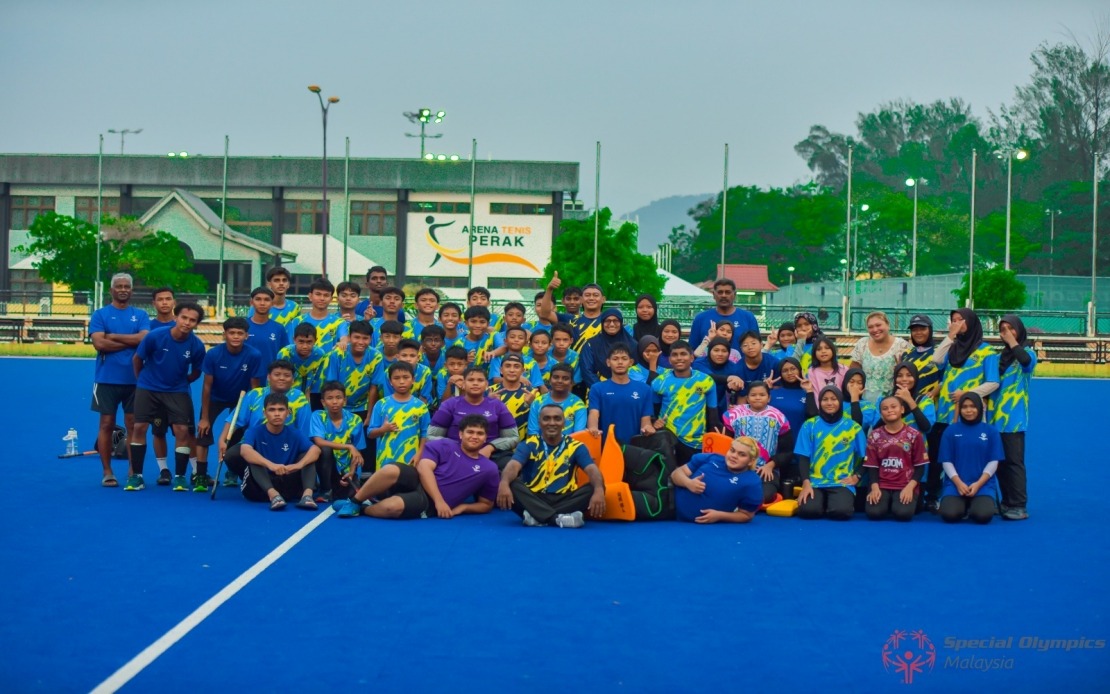
Malaysia is preparing for a significant milestone in its sporting calendar with the selection of a 10-member team for the inaugural FIH Para Hockey ID World Cup 2026, scheduled to take place across Belgium and the Netherlands from August 20 to 25. The tournament represents a landmark opportunity for Malaysian athletes competing in para hockey within the intellectual disability classification to demonstrate their capabilities on the world stage, competing alongside some of the globe's elite teams in this emerging discipline.
The Malaysian contingent comprises six male and four female athletes, selected through a rigorous process that commenced in December 2025. Shanker Retinam, the assistant head of delegation, emphasised that player selection was determined by evaluating individual performance metrics, commitment levels during training sessions, and adherence to discipline requirements. This mixed-gender composition reflects the inclusive nature of the tournament structure and Malaysia's commitment to developing para hockey talent across both sexes.
Preparation for this international competition has been intensive, with all selected athletes participating in centralised monthly training programmes held in Ipoh. These systematic training camps have provided the team with adequate time to build chemistry, refine tactical approaches, and develop the physical conditioning necessary to compete effectively against established para hockey nations. The sustained preparation schedule underscores the seriousness with which Malaysia is approaching its inaugural World Cup participation.
What renders this particular tournament exceptionally significant is its scheduling alongside the concurrent Men's and Women's Hockey World Cups at identical venues throughout Belgium and the Netherlands. This arrangement creates unprecedented visibility for para hockey, positioning it alongside traditional hockey at the highest international level. The synchronised hosting elevates the profile of athletes with intellectual disabilities and signals growing recognition of para hockey as a legitimate and valued discipline within the global sports ecosystem.
Malaysia has been placed in Pool B alongside a diverse and competitive array of opponents including the Netherlands, Argentina, England, Spain, India, Chile, and Bulgaria. The pool composition presents both considerable challenge and opportunity, exposing Malaysian players to different playing styles and tactical approaches. The team's opening fixture will pit them against Bulgaria in the Netherlands, providing an early test that will be crucial in establishing momentum within the group stage.
The tournament will feature the world's 16 most accomplished para hockey teams, gathered to compete for inaugural honours. For Malaysia, this represents validation of its developing para hockey programme and an opportunity to gauge its competitive standing against recognised powerhouses in the discipline. The inclusion of established hockey nations like Argentina, England, and Spain suggests that para hockey has attracted significant investment and development support across multiple continents.
Logistical preparations are well advanced, with the national team scheduled to depart for Europe on August 17, providing several days for acclimatisation and final training adjustments before competition commences. Prior to departure, a ceremonial flag-handover will take place at the Royal Perak Golf Club, with Sultan Nazrin Shah, the Sultan of Perak, officiating the proceedings. This high-level patronage reflects the importance Malaysia places on the occasion and demonstrates state-level support for para-athletes.
The participation of Malaysian athletes in this inaugural championship carries broader implications for the nation's para-sports development trajectory. Success or competitive showings at this level typically generate renewed domestic interest and investment in particular disciplines, potentially encouraging more athletes with intellectual disabilities to pursue para hockey pathways. The visibility gained through competing at such a prestigious international forum also enhances Malaysia's standing within global para-sports organisations and can influence future hosting opportunities for regional championships.
For Southeast Asia more broadly, Malaysia's participation signals the region's growing engagement with para-sports development beyond traditional Paralympic disciplines. While regional para-sports ecosystems have historically concentrated on athletics, swimming, and weightlifting, the expansion into team sports like para hockey demonstrates evolving sporting ambitions and infrastructural development. This diversification could inspire neighbouring nations to develop comparable programmes and create a more robust regional para-sports competitive landscape.
The achievement of fielding a competitive team at this level represents considerable organisational effort by the Perak Special Olympics Association and supporting bodies. Para-sports development in Malaysia, whilst expanding, remains resource-constrained compared to established Olympic programmes, making the coordination of systematic training, athlete identification, and international travel arrangements noteworthy achievements. The success of this World Cup campaign will likely influence strategic planning and budget allocation for future para-sports initiatives.
Looking forward, Malaysia's performance at the FIH Para Hockey ID World Cup will establish a baseline for future competition. Regardless of results, participation at this inaugural event positions the nation as an emerging competitor in para hockey and provides invaluable experience for athletes and coaching staff. The insights gained from competing against world-class opposition will inform subsequent training methodologies and talent development strategies within the Malaysian para-hockey community.

