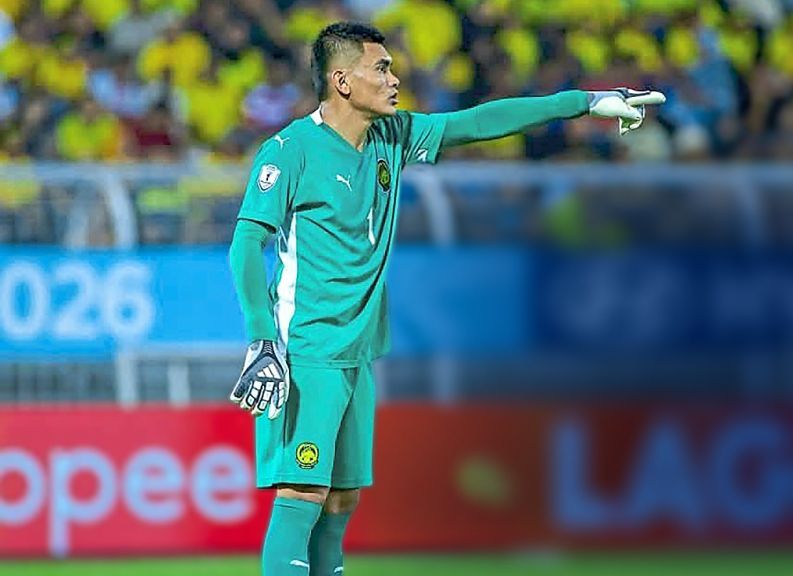
Malaysia's hopes of reaching the Hyundai AFF Cup final suffered a significant setback on Sunday when the Harimau Malaya were comprehensively outplayed by defending champions Vietnam, losing 0-2 in the first leg semi-final encounter at Cheras Football Stadium here. The result leaves interim coach Tan Cheng Hoe's squad facing an uphill climb in the return fixture at MyDinh Stadium in Hanoi, where they will need to overturn the deficit against one of Southeast Asia's most consistent football teams.
The match proved decisive from its opening stages, with Malaysia already dealing with adversity by the 15th minute when centreback Rodney Celvin Akwensivie was forced from the pitch through injury. The absence of an established defender forced Tan Cheng Hoe into an early tactical adjustment, with young centreback Aysar Hadi Sapri entering the fray. This substitution disrupted Malaysia's defensive organization at a crucial juncture, setting a pattern of struggles that would characterize much of the team's evening.
Despite falling behind early in terms of momentum, Malaysia created a genuinely promising opportunity to take the lead in the 34th minute, when a perfectly weighted low cross from leftback Faris Danish Asrul found captain and striker Paulo Josue in space. The Malaysian skipper's tap-in was expertly saved by Vietnam goalkeeper Patrick Le Giang, who showed quick reflexes to deny what could have been a crucial breakthrough. The disappointment only deepened seconds later when midfielder Daryl Sham George received the ball with the goal seemingly at his mercy, only to inexplicably send his strike high over the crossbar into the stands. Such profligacy in front of goal would ultimately prove costly as the match progressed.
Vietnam's attacking prowess materialized before the interval when Vietnamese wingback Truong Tien Anh delivered a sumptuous cross that found Xuan Son completely unmarked in the penalty area. The Vietnamese forward had the simplicity of heading past Le Giang into the net, giving the visitors a 1-0 advantage heading into the break. The goal exposed a concerning defensive vulnerability in Malaysia's setup, particularly in how space was being managed in wide areas where the Vietnamese team demonstrated superior movement and positioning.
The second half saw Malaysia attempting to wrestle back control of the match through possession-based football, hoping to create enough chances to restore parity. Vietnam, comfortable with their advantage, shifted toward a more cautious approach, relying on swift counter-attacking movements to trouble the Malaysian backline. This tactical divergence created an intriguing contest between Malaysia's attacking ambitions and Vietnam's defensive solidity, though neither side found the breakthrough moment that might have shifted the game's trajectory.
A significant moment arrived in the 60th minute when Uzbekistan referee Rustam Lutfullin appeared to have made a game-changing decision, sending off Vietnam goalkeeper Le Giang for handling the ball outside his penalty area. The dismissal promised to provide Malaysia with a genuine opportunity to capitalize on their numerical advantage. However, video assistant referee technology intervened, with the VAR review determining that Le Giang had not actually used his hands to clear the ball, overturning the original decision and allowing the Vietnamese goalkeeper to remain on the pitch. The intervention frustratingly restored Vietnam's full complement of players precisely when Malaysia seemed poised to exploit a man advantage.
Trying to inject fresh impetus into attacking play and shore up the midfield, Tan Cheng Hoe made several substitutions in the latter stages, introducing winger Haqimi Azim Rosli and midfielder Ibrahim Manusi, with the latter making his international debut. These changes represented attempts to unlock Vietnam's increasingly solid defensive shape through different tactical approaches and player combinations. However, the Vietnamese back line remained resilient and organized, effectively neutralizing Malaysia's renewed attacking momentum without conceding additional clear-cut opportunities.
Vietnam sealed the victory in the 86th minute when defender Faris diverted the ball into his own net, compounding Malaysia's misery on a frustrating evening. The own goal essentially confirmed that Malaysia would head to Hanoi with significant ground to make up in the second leg. The circumstances of the goal, scoring against their own goalkeeper, underscored the defensive disorganization that plagued Malaysia throughout the encounter.
With the first leg concluded, Malaysia now faces the formidable challenge of traveling to MyDinh Stadium to face the same opposition that showed superior organization, experience, and clinical finishing throughout Sunday's encounter. The defending champions demonstrated why they have established themselves as regional powerhouses, combining organized defending with dangerous counter-attacking options. For Malaysia to progress, they will need to demonstrate marked improvement in their defensive discipline, take their chances with greater precision, and match Vietnam's intensity from the opening whistle. The second leg represents a genuine test of character and tactical adjustment for the Malaysian squad.

