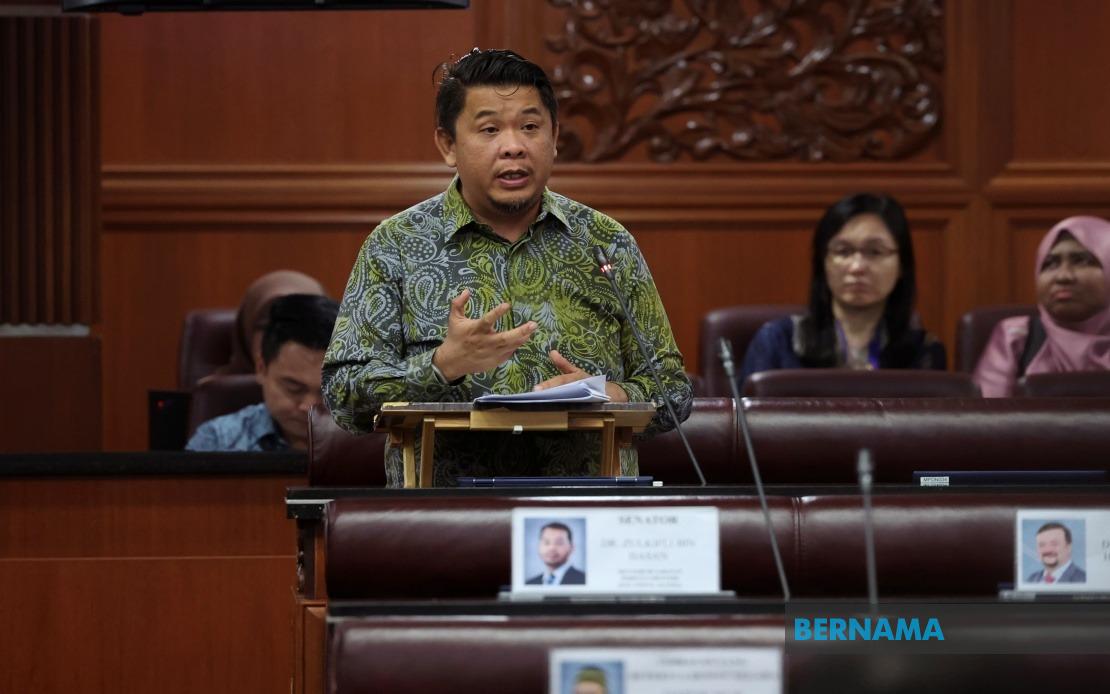
Malaysia has ordered the United Nations High Commissioner for Refugees to suspend all new refugee registrations while the government overhauls its approach to managing asylum seekers, Deputy Foreign Minister Datuk Lukanisman Awang Sauni announced in parliament on July 23. The decision reflects a fundamental shift in how Kuala Lumpur intends to handle one of Southeast Asia's most intractable humanitarian challenges, moving away from the international body's coordination towards a domestically controlled system known as the Refugee Registration Document, or DPP programme.
Lukanisman explained that the Cabinet approved this directive to ensure refugee management operates under stricter government supervision and in a more systematic fashion. The temporary halt on registrations is intended to create space for implementing the DPP framework, which will centralise all refugee data collection, verification, and monitoring within Malaysian institutions rather than relying on UNHCR documentation or records. This distinction matters considerably for a nation that has historically borne significant migration pressures but has resisted becoming a signatory to the 1951 Refugee Convention, the international legal instrument that defines refugee status and protection obligations.
The government frames the restructuring as essential for maintaining order and controlling the refugee population within its borders. By consolidating registration under the DPP, authorities argue they can verify identities more rigorously, coordinate information across enforcement agencies, and prevent undocumented migrants from exploiting gaps in the current system. Malaysia contends that absorbing refugee populations without formal convention protections creates unsustainable pressures on public services, housing, and employment—concerns that resonate with policymakers grappling with limited resources and political sensitivities around migration in a diverse society already managing significant internal complexities.
The policy change carries particular significance for Rohingya refugees, the Muslim minority fleeing Myanmar who have become the focus of parliamentary questions and humanitarian concern. Senator Hussin Ismail raised the plight of Rohingya without valid identity documents or recognition from their country of origin, prompting Lukanisman's extended response about the government's multilayered approach. The registration freeze directly impacts approximately 185,000 Rohingya currently sheltering in Malaysia, many of whom lack any formal documentation and exist in legal limbo despite years of residence.
Malaysia's position reflects a calculated diplomatic and strategic stance. By suspending UNHCR registrations, the government simultaneously demonstrates determination to address irregular migration while signalling to its ASEAN partners, particularly Myanmar's government, that it expects greater responsibility in managing displaced populations. Lukanisman highlighted that Malaysia continues pursuing multilateral engagement with Myanmar and fellow ASEAN members to tackle the Rohingya crisis more comprehensively, suggesting that the registration pause doubles as diplomatic pressure on the regime to create conditions for repatriation.
The strict registration process envisioned through the DPP will involve collaboration between immigration authorities and other enforcement bodies to screen applicants and confirm eligibility before issuing documentation. This approach aims to prevent what officials view as uncontrolled population growth among migrant communities while maintaining capacity to identify individuals attempting to enter or remain through fraudulent means. For Malaysia, a nation frequently used as a transit point for human trafficking networks and irregular migration flows, such gatekeeping functions hold genuine operational importance.
Simultaneously, Malaysia is moving forward with repatriating approximately 5,000 Myanmar nationals currently held in immigration detention facilities. According to Lukanisman, the Myanmar government has signalled readiness to accept these deportees, with transfers expected to proceed via naval vessels once administrative procedures complete. This repatriation programme represents a significant diplomatic achievement given the strained relationship between Kuala Lumpur and Naypyidaw following Myanmar's 2021 military coup, yet underscores Malaysia's determination to reduce its detained migrant population regardless of political complications.
The registration suspension raises important questions about the humanitarian implications for genuine refugees unable to access formal status documentation. Without UNHCR verification, vulnerable individuals—including trafficking victims, political dissidents, and those fleeing persecution—may struggle to establish their protection claims within a system designed primarily for administrative control. The transition period between suspending UNHCR registrations and fully implementing the DPP could create a documentation vacuum affecting access to healthcare, education, and employment for marginalised populations.
Regionally, Malaysia's move signals that Southeast Asian nations are increasingly reluctant to outsource refugee management to international bodies, preferring sovereignty-preserving domestic frameworks despite the technical and humanitarian expertise that international agencies offer. This pattern aligns with broader regional trends toward hardening borders and emphasising state control, even as displacement pressures from Myanmar, Afghanistan, and elsewhere intensify. Other ASEAN members facing similar refugee inflows may view Malaysia's approach as a viable alternative to burden-sharing arrangements or convention-based obligations.
For Malaysian civil society and humanitarian organisations, the policy presents immediate challenges in continuing support for refugee populations during the registration transition. NGOs have historically worked alongside UNHCR to provide services and advocacy, and the shift toward government-led systems may restrict their operational scope or require renegotiated relationships with authorities. The emphasis on verification and identity confirmation, while administratively sensible, could also delay access to assistance for those awaiting processing under the new DPP framework.
Lukanisman's explanation deliberately emphasised that Malaysia's decision stems from the burden of hosting refugee populations without formal international legal obligations, a framing that appeals to domestic audiences concerned about resource allocation and security. The argument that non-signatories to the Refugee Convention should not unilaterally absorb displaced populations reflects longstanding Malaysian frustration with unequal burden-sharing in migration crises. By restructuring the registration system, the government positions itself as managing a pressing challenge responsibly while protecting national interests.
Looking forward, the success of the DPP programme will depend on whether the government can establish verification processes that are both rigorous and fair, maintaining humanitarian standards while achieving administrative control. The parallel repatriation efforts suggest Malaysia is pursuing a two-track approach: reducing the detained migrant population through deportations while creating a managed pathway for those deemed eligible for temporary residence. This combination could reshape how Malaysia accommodates refugee populations for the foreseeable future.

