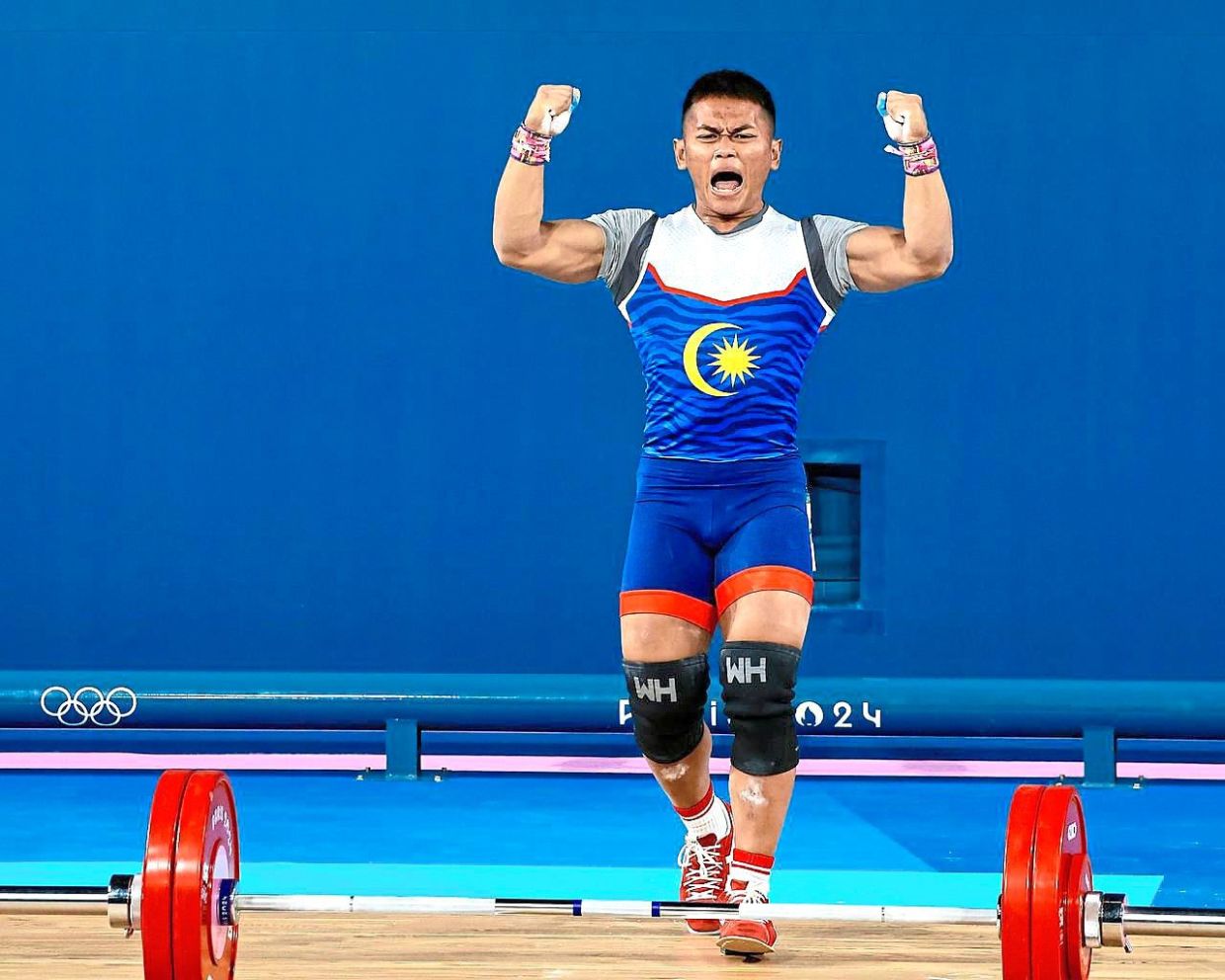
Malaysia's commitment to strengthening its weightlifting programme has intensified following an impressive display at last month's Glasgow Commonwealth Games, with the Youth and Sports Ministry announcing a RM1 million injection to accelerate the sport's development across all levels. The decision reflects official recognition that weightlifting represents one of the nation's most dependable medal-winning disciplines on the international stage, a view reinforced by discussions between Youth and Sports Minister Dr Mohd Taufiq Johari, the Malaysian Weightlifting Federation, and the National Sports Council regarding long-term growth strategies.
The Glasgow Commonwealth Games proved to be a watershed moment for Malaysian weightlifting, with the national contingent delivering five gold medals, one silver, and one bronze—a haul that positioned lifters as the country's leading contributors to the overall medal tally. This performance came at a Games where Malaysia accumulated eight gold medals, three silver medals, and five bronze medals in total, underscoring how disproportionately important weightlifting has become to national sporting success on the Commonwealth stage. The consistency of returns from a relatively modest athlete base compared to larger sporting programmes suggests the sport enjoys both technical depth and institutional stability.
Dr Taufiq's announcement extends beyond the headline funding allocation to encompass a comprehensive facility and personnel upgrade that signals deeper strategic intent. The Rompin weightlifting training centre, which has served as the sport's primary development hub, will undergo significant infrastructure improvements designed to elevate it to Sports Centre of Excellence status. This transformation reflects a broader philosophy that competitive success depends on world-class training environments, equipment standards, and coaching expertise—factors that become increasingly critical as weightlifters from smaller nations attempt to compete at elite levels against lifters from larger, better-resourced countries.
The appointment of a dedicated full-time coach stationed permanently at Rompin represents a structural innovation aimed specifically at female athlete development. This move acknowledges a significant gap in Malaysian weightlifting: while male lifters have established competitive pathways, female participation and elite performance remain comparatively underdeveloped despite weightlifting's increasingly inclusive approach across international federations. By dedicating specialist coaching resources to women's progression, the ministry appears to be hedging against future medal losses should female lifters fail to sustain competitive standards, while simultaneously expanding the talent pool from which Malaysia can draw.
The Malaysian Weightlifting Federation and National Sports Council will also increase quotas within the NSC development programme, a decision that typically translates into enhanced athlete allowances, training grants, and competition opportunities. However, the ministry's emphasis on maintaining rigorous selection criteria and prioritizing athletes demonstrating genuine potential suggests this expansion will focus quality over quantity—a disciplined approach that prevents resources from becoming scattered across marginal talent. The timing, scheduled to take effect following the ongoing Malaysia Games competition, allows officials to assess which emerging lifters warrant increased support based on demonstrated performance under pressure.
For Malaysian sports policy more broadly, the weightlifting investment illustrates how Commonwealth Games success can generate political momentum for sustained funding. Unlike sports that capture consistent media attention or enjoy grassroots participation, weightlifting typically operates with minimal public visibility yet consistently delivers medal returns that improve Malaysia's standings relative to rival nations. This creates a paradox: the sport deserves investment precisely because it performs well, yet performs well partly because past investment established competitive infrastructure. Breaking into this virtuous cycle requires the kind of strategic funding increases now being deployed.
Regionally, Malaysia's weightlifting revival carries broader implications. Within Southeast Asia, few nations have established comparable institutional frameworks for systematic weight training athlete development, creating an opportunity for Malaysian lifters to establish regional dominance during a period when investment is increasing. Neighbouring countries have not matched Malaysia's recent facility improvements or coaching appointments, suggesting a window exists to build competitive advantages before regional competitors catch up. This relative advantage becomes particularly valuable ahead of major regional championships and future Commonwealth Games cycles.
The financial commitment also reflects evolving understandings of sports development costs. The RM1 million allocation, combined with facility upgrades and full-time coaching appointments, suggests the ministry recognizes that sustained international competitiveness in technical sports requires continuous investment rather than episodic support tied to individual Games cycles. This approach contrasts with older models where funding followed rather than preceded major competitions, instead positioning Malaysia to compete confidently across multiple international platforms scheduled over the coming years.
Dr Taufiq's framing of weightlifting investment as a "long-term investment in building a stronger weightlifting ecosystem" signals that the ministry views the sport as strategically important beyond immediate medal considerations. Developing world-class coaching talent, improving facility standards, and expanding athlete pipelines creates institutional capacity that generates returns across multiple competition cycles and potentially produces coaching expertise that can be exported regionally or internationally. This ecosystem perspective suggests policymakers anticipate weightlifting remaining a strategic priority for Malaysia regardless of short-term performance fluctuations.
The Glasgow success that prompted this funding boost represents validation of earlier development decisions, rewarding the federation and council officials who invested resources in athlete identification and competition scheduling during preceding years. However, maintaining momentum requires translating financial commitments into tangible improvements that athletes experience—better facilities, more competition opportunities, enhanced coaching quality, and clearer pathways toward international representation. The coming months will reveal whether administrative structures can efficiently convert the RM1 million allocation and facility improvements into the competitive advantages these investments theoretically promise.

