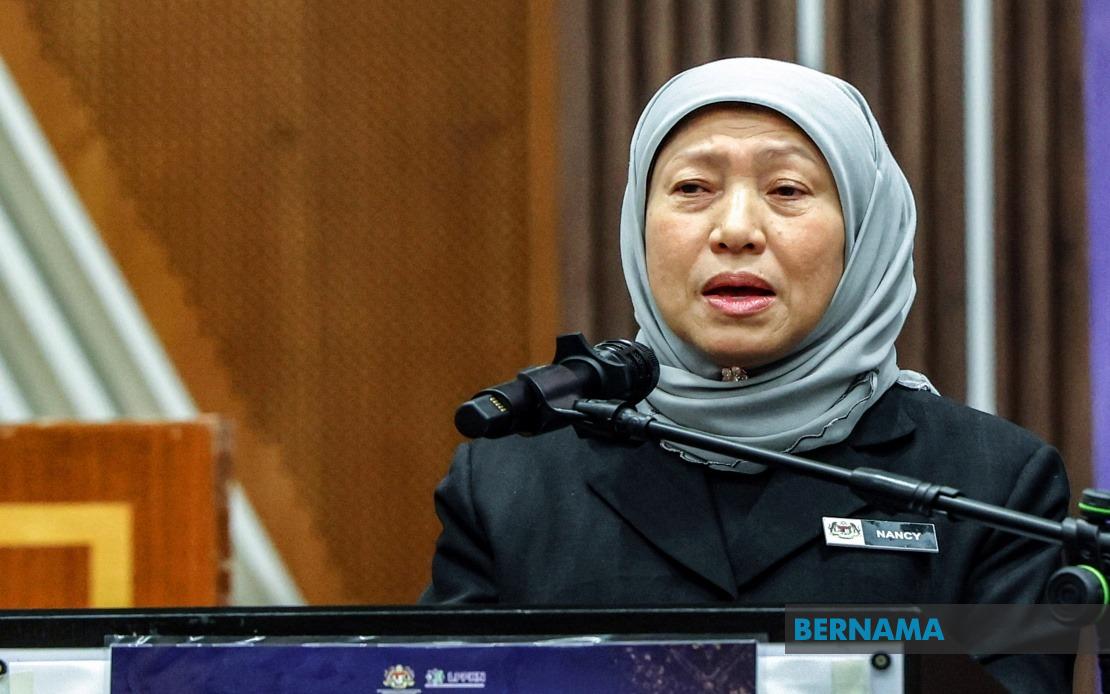
The Ministry of Women, Family and Community Development (KPWKM) is embarking on an 18-month national study designed to reshape how Malaysia approaches men's empowerment, moving beyond traditional notions of male roles to encompass mental health, emotional resilience and responsible family participation. The initiative, announced by Minister Datuk Seri Nancy Shukri at the Men's Empowerment Consultative Forum in Putrajaya, represents a significant policy pivot recognising that contemporary challenges facing Malaysian men require nuanced, multifaceted solutions grounded in gender equality rather than dominance hierarchies.
The research underpins the government's National Gentleman Initiative, which seeks to cultivate a generation of men characterised by integrity, emotional maturity and the capacity to contribute meaningfully to family stability and broader national progress. Rather than limiting male empowerment to economic advancement or leadership positions, the framework acknowledges that genuine masculine development encompasses psychological well-being, interpersonal skills and the willingness to distribute household and childcare responsibilities equitably. This conceptual shift reflects growing international research demonstrating that traditional masculinity constructs often inhibit men from seeking help for mental health issues, maintaining healthy relationships and engaging authentically with family life.
Minister Shukri articulated a vision of male empowerment fundamentally rooted in mutual respect and partnership. She stressed that genuine gentlemanly conduct involves exercising leadership through wisdom and collaborative decision-making rather than dominance, treating women as equal partners in family and national building rather than subordinates. This framing directly challenges entrenched patriarchal attitudes that may undermine family cohesion and perpetuate gender-based violence, positioning gender respect as foundational to authentic male development rather than a constraint upon it.
The consultative forum itself adopts a Public-Private-People Partnership (4P) approach, deliberately gathering insights from diverse stakeholders including business leaders, community organisations, civil society representatives and affected individuals. This methodology recognises that understanding male challenges requires perspectives spanning workplace dynamics, household economics, healthcare provision and grassroots experiences. The collaborative platform aims to surface practical recommendations that can inform both immediate policy interventions and longer-term structural reforms within Malaysian society.
Statistical evidence undergirds the urgency of this initiative. Malaysia's male suicide rate stands approximately three times higher than the female rate, a disparity frequently attributed to men's reluctance to seek mental health support due to stigma and ingrained beliefs about emotional stoicism. The 2023 National Health and Morbidity Survey indicated that 4.6 per cent of Malaysians aged 16 and above experience depression, yet help-seeking behaviours remain significantly lower among men, suggesting substantial unmet mental health needs within the male population.
Economic pressures compound these psychological vulnerabilities. Household debt has reached 84.3 per cent of gross domestic product according to Bank Negara Malaysia, placing enormous financial strain on male breadwinners navigating wage stagnation, inflation and competing family obligations. This economic stress cascades into family dysfunction, with divorce statistics rising 4.1 per cent to 60,457 cases in 2024. Financial inadequacy, inability to meet maintenance obligations and protracted domestic conflict emerged as primary contributors to family breakdown, illustrating how economic insecurity intertwines with relationship deterioration and masculine identity crises.
Domestic violence statistics reveal additional concerns. Royal Malaysia Police data showed that 95 per cent of recorded domestic violence perpetrators between January and December 2025 were men, indicating that some males respond to stress, inadequacy and relationship breakdowns through violence rather than constructive coping mechanisms. This pattern suggests that conventional approaches emphasising punishment alone prove insufficient without simultaneous interventions addressing underlying psychological, economic and relational dysfunction driving violent behaviour.
The National Gentleman Study's findings will directly shape future policymaking and programme development across multiple government domains. Recommendations may influence mental health service design, workplace family support initiatives, educational curriculum incorporating emotional literacy, financial counselling services and domestic violence prevention strategies. By grounding these interventions in systematic research rather than assumption, Malaysian policymakers can develop more targeted, evidence-based approaches resonating with male experiences and addressing root causes rather than symptoms.
For Southeast Asian readers, Malaysia's initiative holds broader significance as regional societies grapple with similar masculinity crises, economic pressures and family instability. The study's emphasis on integrating mental health, economic security and relational skills into male empowerment frameworks offers a model potentially adaptable across the region. Rather than viewing men's empowerment and gender equality as competing agendas, Malaysia positions them as complementary objectives wherein genuine male development requires genuinely equitable partnerships and emotional authenticity.
The consultation process itself signals governmental commitment to inclusive policymaking, inviting diverse voices to shape national priorities affecting half the population. As Malaysia progresses through this 18-month investigation, outcomes will likely influence how neighbouring countries conceptualise and address men's wellbeing within broader gender equality frameworks. The initiative fundamentally reframes male empowerment discourse from competitive advantage or hierarchical dominance toward psychological resilience, relational maturity and collaborative family contribution, potentially catalysing similar reconsiderations throughout Southeast Asia.

