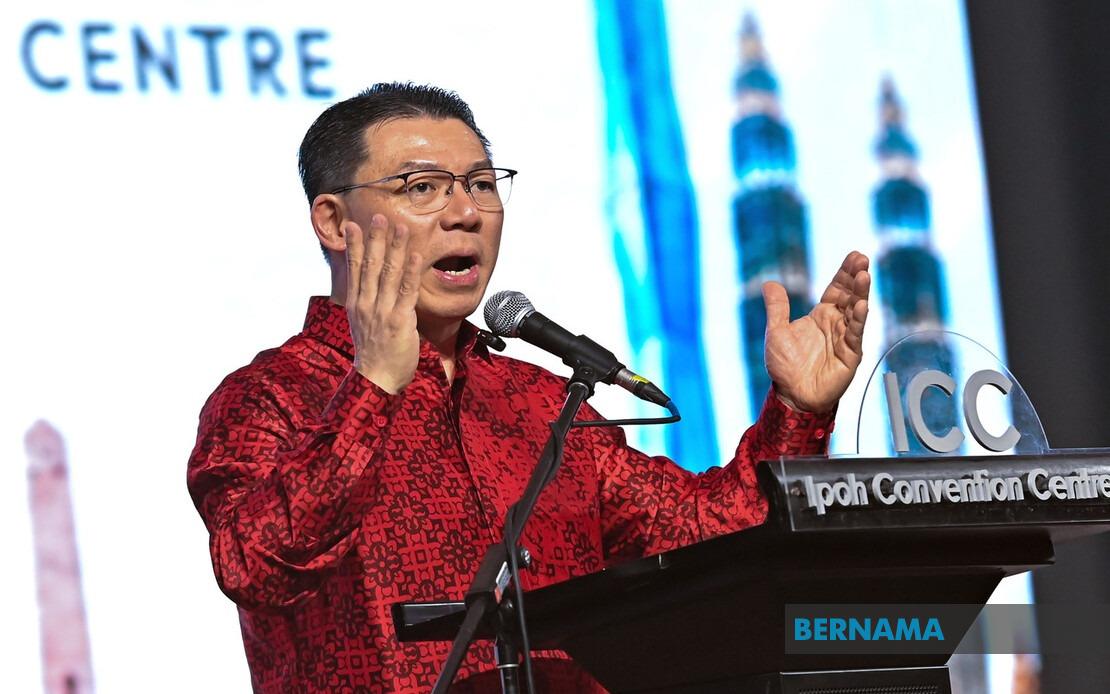
Malaysia is embarking on an ambitious transformation of its urban public spaces through a new national initiative announced by Housing and Local Government Minister Nga Kor Ming at the 2026 National Landscape Day Celebration in Melaka. The MY Public Space programme represents a strategic collaboration between the Ministry's National Landscape Department and UN-Habitat, the United Nations agency focused on human settlements, with the overarching goal of ensuring that public recreational areas across the country meet rigorous international quality benchmarks while remaining accessible, secure, and capable of withstanding environmental pressures.
The initiative reflects a broader commitment to enhancing the lived experience of Malaysians through thoughtfully designed and maintained public gathering spaces. Rather than imposing a one-size-fits-all template, the approach tailors international best practices to the specific needs and aspirations of Malaysia's varied urban contexts, from bustling metropolitan centres to smaller towns seeking to revitalise community gathering points. This flexibility is crucial for a nation as geographically and demographically diverse as Malaysia, where public space requirements differ markedly between high-density urban areas and more suburban or rural communities.
Implementation of MY Public Space will proceed through four distinct operational pillars. The first involves establishing a national recognition framework that aligns with the Rosa Sinensis Award, providing a standardised benchmark for evaluating public space quality. The second pillar focuses on rolling out the MY Public Space Toolkit as a pilot project, creating practical guidance for planners and developers. The third concentrates on upgrading the systems and approaches used to manage public spaces across municipalities and local authorities. The fourth and most significant element aims to embed the toolkit into Malaysia's official landscape development guidelines and policies, transforming it from an initiative into a permanent standard governing how the country creates and maintains its public realm.
The partnership with UN-Habitat carries particular significance for Malaysia's international standing. By collaborating with this respected United Nations agency, the country positions itself as a leader in sustainable urban development within Southeast Asia and on the global stage. This alignment also reinforces Malaysia's commitment to the Sustainable Development Goals, particularly those addressing quality of life, environmental sustainability, and inclusive communities. As the current President of the UN-Habitat Assembly, Malaysia has elevated international expectations regarding its own urban development practices, making the launch of MY Public Space a necessary and credible demonstration of this leadership role.
Parallel to the MY Public Space initiative, the government is pursuing an aggressive expansion of recreational park infrastructure. The MADANI Parks programme aims to establish 1,000 such facilities nationwide by 2035, ensuring that no community lacks access to quality green spaces. This target carries significant implications for Malaysian public health, environmental sustainability, and quality of life. Between 2024 and 2025, the government has already commissioned 217 MADANI Recreational Parks across the country, substantially surpassing the annual target of 100 parks. This accelerated pace suggests genuine commitment to the programme, though maintaining such momentum for a full decade will require sustained funding, political will, and coordination across multiple local authorities with varying capacities and resources.
Melaka itself demonstrates the programme's tangible progress, with 10 of the 217 completed parks located in the state. The announcement of three additional MADANI Recreational Parks in Ayer Keroh and Masjid Tanah indicates that expansion will reach beyond established urban centres into secondary towns. This geographical spread is essential for equitable access to recreational facilities and reflects recognition that quality-of-life improvements must extend to communities beyond major metropolitan areas. For Malaysian residents in smaller towns where green space and recreational facilities have traditionally been limited, such projects represent meaningful enhancement of local amenities.
Beyond immediate recreational benefits, the government views landscape development as a significant economic opportunity. The national landscape industry is targeted to contribute up to RM40 billion to Malaysia's Gross Domestic Product by 2035, a substantial contribution reflecting both domestic investment and international export potential. Malaysia's landscape sector has already demonstrated export competitiveness, with RM534.3 million in landscape product exports recorded in 2025 to markets including Singapore, Japan, Australia, and the United States. This success reflects growing regional and global demand for landscape design services, sustainable urban planning expertise, and related products.
To capitalise on this economic potential while ensuring quality standards, the National Landscape Department is preparing the Malaysian Landscape Industry Blueprint, a comprehensive long-term strategic document addressing critical dimensions of industry development. The blueprint encompasses workforce capacity building, establishing coordinated industry standards, fostering innovation in green technology, strengthening the value chain from suppliers through to service providers, and enhancing the international competitiveness of Malaysian landscape companies. These elements are interdependent; for instance, workforce development must align with industry standards and technology innovation to ensure Malaysian professionals can execute sophisticated projects and maintain export quality.
The workforce dimension deserves particular attention for Malaysia's regional competitiveness. As Southeast Asian countries increasingly prioritise sustainable urban development, demand for skilled landscape architects, horticulturists, environmental planners, and construction specialists will intensify. Malaysia's ability to develop indigenous talent and position itself as a regional hub for landscape expertise could generate employment across multiple skill levels while establishing Malaysian firms as sought-after regional consultants. This is especially relevant given the concentration of landscape expertise in developed economies; Southeast Asian countries seeking cost-effective yet high-quality landscape solutions may increasingly turn to Malaysia and other regional providers.
Prime Minister Datuk Seri Anwar Ibrahim's attendance and official opening of the 2026 National Landscape Day Celebration underscores the programme's elevation within government priorities. Securing prime ministerial endorsement for landscape and urban development initiatives signals that such matters are no longer peripheral concerns but central to Malaysia's vision for sustainable, inclusive national development. This political commitment is essential for ensuring that public space development remains prioritised across budget cycles and election periods, when competing demands for government expenditure intensify.
The MY Public Space initiative and MADANI Parks programme together constitute a coordinated strategy for reshaping how Malaysians experience their urban environments. By combining international best practices with local context, establishing clear quality standards, and pursuing ambitious expansion targets, the government is attempting to address what urban planners identify as a critical gap in many developing and middle-income countries: the absence of adequate, high-quality public spaces accessible to all socioeconomic groups. Such spaces serve essential functions beyond recreation, providing venues for social cohesion, community organising, public health, environmental management, and democratic participation.
For Malaysian readers, the implications are tangible and multifaceted. The expansion of parks and public spaces will improve immediate quality of life, providing free or low-cost recreational facilities and areas for community gathering. The workforce development component offers employment and skills development opportunities across the landscape sector. The economic trajectory targeting RM40 billion GDP contribution signals a maturing industry with export potential and investment opportunities. The alignment with UN standards and international best practices positions Malaysia competitively within Southeast Asia's increasingly competitive market for urban services and expertise.
Looking ahead, the success of MY Public Space and MADANI Parks will depend on implementation consistency, adequate funding, effective coordination among federal and local authorities, and sustained political support across multiple electoral cycles. The announced targets are ambitious; maintaining momentum while ensuring quality standards remain met presents genuine administrative challenges. Nonetheless, the initiative represents a significant statement about Malaysia's priorities and aspirations for its urban future.

