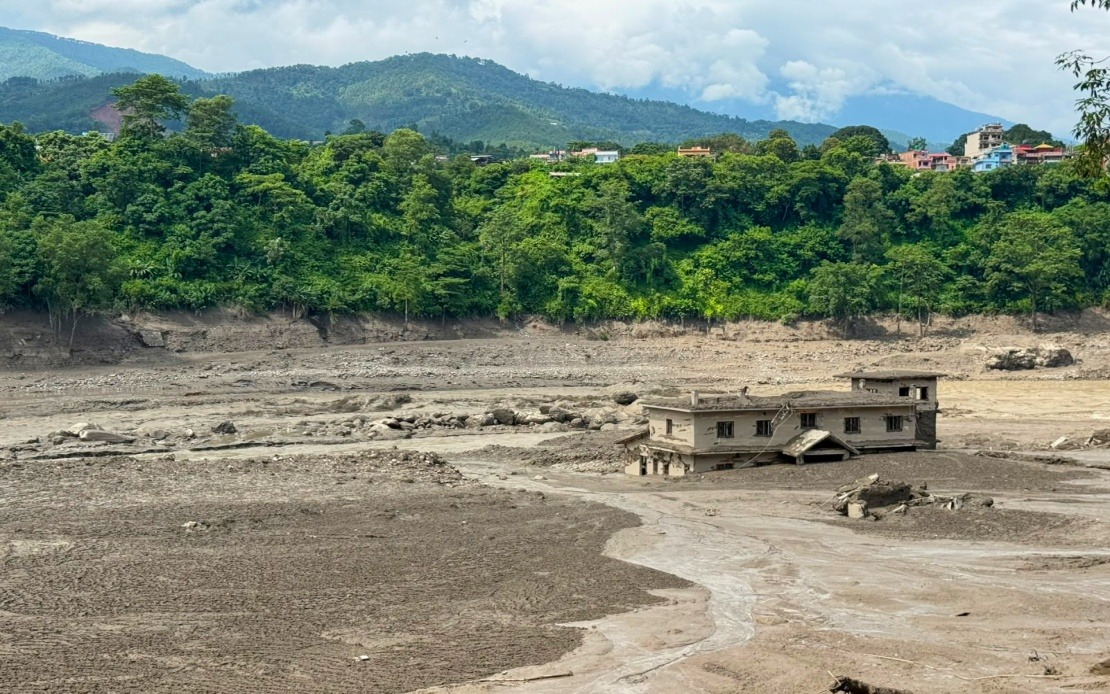
Prime Minister Datuk Seri Anwar Ibrahim has confirmed that Malaysia is mounting an active search operation to trace 54 citizens who have lost contact following catastrophic flash floods that devastated Rasuwa district in Nepal yesterday. In a statement released today, Anwar expressed deep concern about the situation and emphasised that locating the missing Malaysians and ensuring their safety remained a top priority for the MADANI Government.
The scale of the unaccounted-for citizens underscores the severity of the natural disaster that struck the Nepal-Tibet border region. Heavy rainfall combined with glacier landslides along the Bhote Koshi River triggered the flash floods, which have created substantial obstacles to both search and rescue operations and to establishing communication with those affected. The flooding has rendered sections of the main transport corridor connecting the disaster zone to Kathmandu impassable, further complicating efforts to reach trapped residents and visiting nationals.
The Malaysian Embassy in Kathmandu has assumed the primary coordination role, maintaining close liaison with Nepalese government authorities and emergency response agencies deployed on the ground. Recognising that regional cooperation can enhance rescue effectiveness, Malaysia has taken the additional step of mobilising officers stationed at the Malaysian High Commission in Dhaka, Bangladesh, to reinforce coordination efforts and provide supplementary support to embassy teams working in Nepal.
Anwar's public statement reflects the government's determination to communicate both urgency and competence to anxious families waiting for news of their relatives. His emphasis on prayer and collective national concern signals recognition of the emotional toll on Malaysian households with members in the affected region. The Prime Minister called upon all Malaysians to unite in supporting the search efforts, framing the recovery operation as a national endeavour rather than a diplomatic or bureaucratic exercise.
The communication blackout affecting the disaster zone has emerged as a critical barrier to establishing the precise welfare status of the missing nationals. Downed telephone and internet infrastructure means that even Malaysians who have survived the initial flooding may be unable to contact authorities or their families abroad. This infrastructure collapse compounds the logistical challenges facing rescue teams, who must navigate damaged roads and unstable terrain to reach potentially stranded individuals.
Malaysia's mobilisation of diplomatic resources across two countries reflects established regional protocols for mass casualty or mass missing person incidents. By involving the Dhaka mission, the government has expanded its operational capacity beyond what the Kathmandu embassy could accomplish independently, demonstrating coordination between Malaysian diplomatic missions in South and Southeast Asia. This inter-mission approach also allows for information sharing and resource pooling across the broader region.
The disaster highlights vulnerabilities faced by Malaysian travellers and expatriates across the Himalayan region, where trekking, mountaineering, and tourism remain popular pursuits. Rasuwa district, situated along major trekking routes, attracts visitors from numerous countries. The convergence of seasonal weather patterns and geographical hazards in this border area creates recurring risks that Malaysian authorities and potential travellers must consider in planning regional visits.
The Foreign Ministry's coordination of the response demonstrates the institutional machinery available to Malaysian citizens abroad during emergencies. However, the incident also underscores how rapidly natural disasters can overwhelm normal communication and transportation infrastructure, leaving nationals isolated in remote regions. The government's proactive public communication about ongoing efforts serves both to reassure families and to signal Malaysia's diplomatic engagement with Nepalese authorities.
The broader regional context includes Nepal's recurring vulnerability to monsoon-related flooding and glacial hazards, particularly in districts bordering Tibet. Climate patterns affecting the Himalayan region have produced increasingly severe weather events, suggesting that such disasters may recur with greater frequency. For Malaysian travellers and those planning travel to Nepal and surrounding regions, such incidents carry important implications for risk assessment and emergency preparedness.
As search and rescue operations continue, the Malaysian government has committed to maintaining intensive monitoring of developments and sustaining all necessary efforts to locate the missing citizens. The statement emphasises that the welfare and safety of affected Malaysians will remain central to government priorities throughout the ongoing crisis. Authorities have urged public patience as ground teams work to navigate infrastructure damage and communicate with potentially isolated individuals across the affected district.

