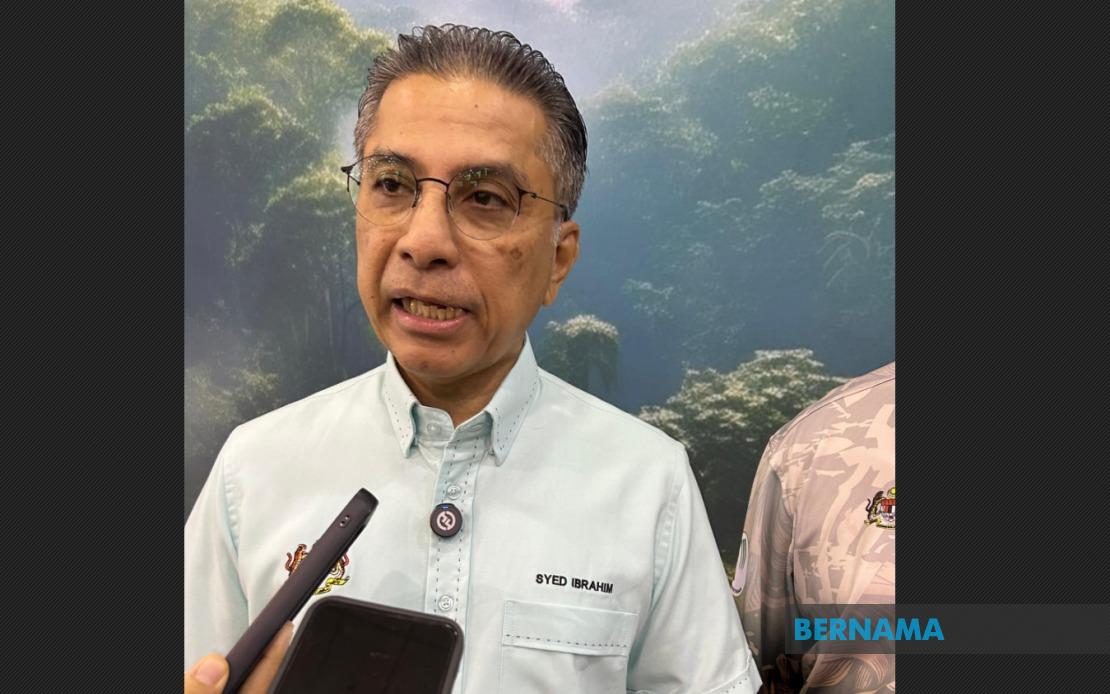
The Ministry of Natural Resources and Environmental Sustainability has placed three Malaysian Asian elephants under close observation following their relocation to Tennoji Zoo in Osaka, Japan, in March as part of a long-term bilateral conservation initiative. Deputy Minister Syed Ibrahim Syed Noh confirmed that Dara, Amoi and Kelat are being monitored continuously to ensure they adapt successfully to their new environment, marking a significant commitment by Malaysia to international wildlife cooperation standards.
The three animals form the centrepiece of a quarter-century strategic programme linking Taiping Zoo and Night Safari with Tennoji Zoo, reflecting growing recognition across the region that responsible elephant management requires collaboration between institutions capable of meeting global welfare benchmarks. This arrangement represents more than a simple transfer; it exemplifies how Southeast Asian nations are increasingly engaging in structured partnerships that balance conservation objectives with animal wellbeing.
Before finalising the programme, Malaysia's Department of Wildlife and National Parks conducted rigorous assessments examining both the physical and psychological dimensions of the relocation. These evaluations were designed to verify that Tennoji Zoo adhered to internationally recognised wildlife management protocols, ensuring that accepting the elephants would not compromise their health or behavioural integrity. The thoroughness of this pre-transfer process underscores Malaysia's determination to protect national assets and uphold diplomatic obligations simultaneously.
To facilitate the elephants' transition, seven trained mahouts from Perhilitan rotated through Tennoji Zoo for two months beginning in March, providing continuity of care and helping the animals adjust to their surroundings. This hands-on approach recognised that elephants experience significant stress during relocation and benefit enormously from familiar handlers who understand their individual temperaments and dietary preferences. The mahout system represents a distinctive contribution from Malaysia, leveraging local expertise to support international conservation goals.
Following this initial period, two additional mahouts were stationed at the zoo from June through the end of the month, extending Malaysia's direct involvement in monitoring and care. This ongoing presence allows real-time assessment of how well the animals are integrating into the Japanese facility and provides immediate support if complications arise. The staggered deployment demonstrates a pragmatic recognition that acclimatisation is not instantaneous and requires sustained attention across multiple phases.
The decision faced criticism from some quarters, with animal welfare advocates and non-governmental organisations calling for the elephants to be returned to Malaysia. However, Deputy Minister Syed Ibrahim emphasised that the government's approach prioritises adherence to established international protocols and maintenance of diplomatic relations with Japan. The government maintains that any decisions regarding the elephants must flow through official channels and respect the binding master agreement between the two institutions, preventing unilateral action despite public sentiment.
Syed Ibrahim indicated Malaysia's openness to accommodating proposals for independent international observers or NGO representatives to visit the facility and assess conditions directly. This conditional offer reflects an attempt to balance transparency with contractual obligations, suggesting that if both Taiping Zoo and Tennoji Zoo reach mutual agreement, third-party verification could proceed. Such transparency measures represent a middle ground that acknowledges legitimate public interest without undermining institutional relationships.
Disputes have emerged regarding historical elephant exports, with some sources suggesting 19 animals were previously sent overseas. The Deputy Minister refuted these claims as unofficial, clarifying that Perhilitan's verified records document only 10 elephant exports since 1977. This discrepancy highlights the importance of maintaining accurate institutional data and the challenges surrounding retrospective accountability in wildlife management. Clear documentation prevents speculation and provides a factual foundation for policy discussions.
The Tennoji Zoo arrangement carries significance beyond the individual animals involved, signalling Malaysia's commitment to participating in international conservation frameworks. As Southeast Asian nations face mounting pressure to demonstrate environmental stewardship, partnerships involving captive breeding, genetic management, and long-term care of endangered species gain importance. Elephants, as emblematic megafauna, symbolise broader conservation aspirations and receive substantial public attention.
For Malaysian observers, the episode illustrates the complex interplay between national pride in wildlife resources, international obligations, and animal welfare considerations. The government's measured response—neither refusing cooperation nor ignoring welfare concerns—reflects the delicate equilibrium required in modern environmental diplomacy. As the elephants progress through their acclimatisation phase in Japan, their successful integration will serve as a test case for future similar arrangements across the region.
The continued Malaysian presence at Tennoji Zoo through dedicated mahout support and monitoring protocols demonstrates that cooperation need not mean abandonment of responsibility. By maintaining direct engagement with the animals and the facility, Malaysia preserves influence over their treatment while contributing valuable expertise to the Japanese institution. This model may offer lessons for other regional nations considering international animal transfers and seeking to protect their interests while advancing shared conservation objectives.

