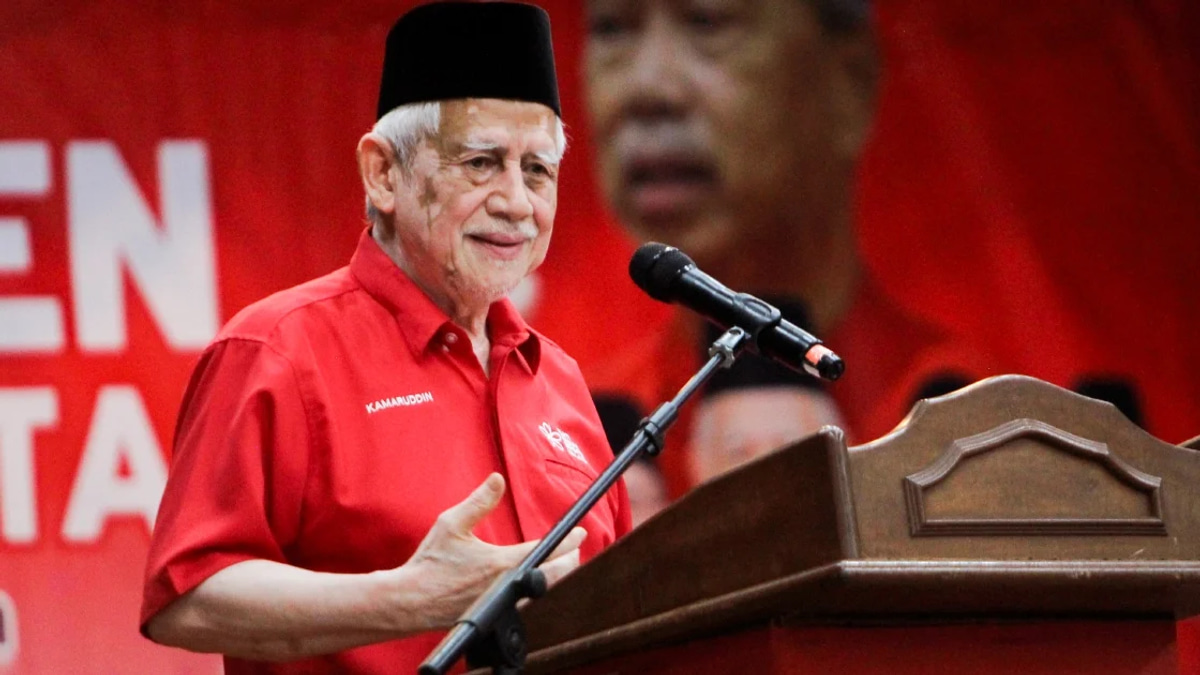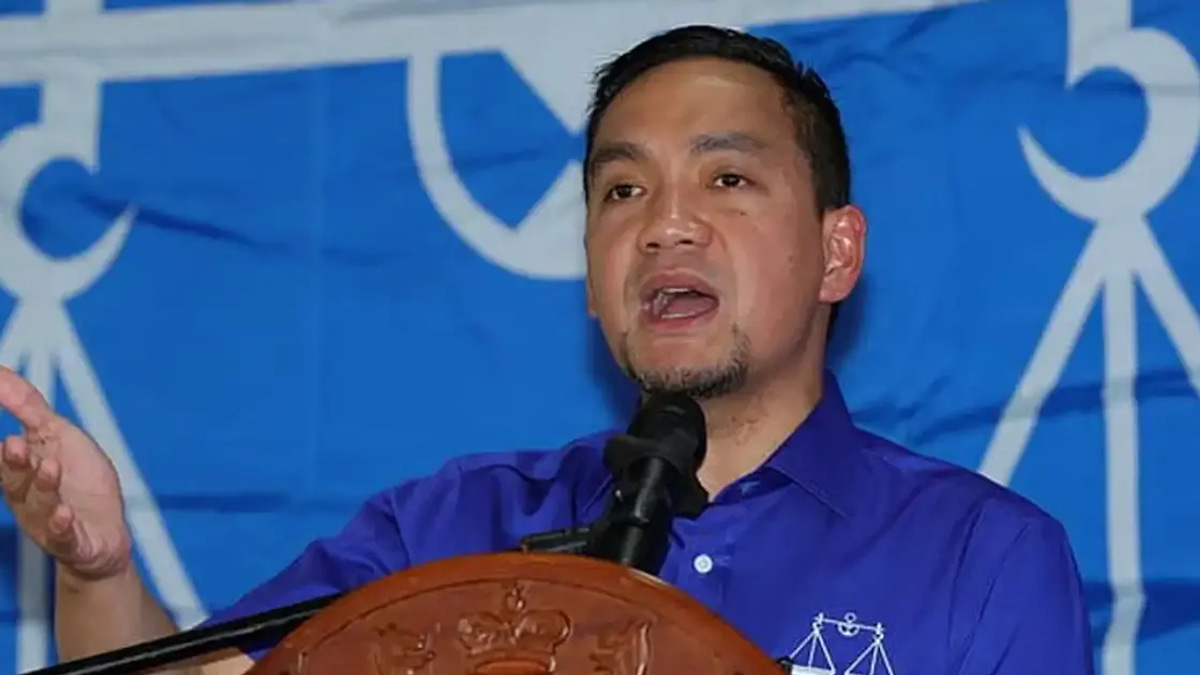
The Malaysian government has issued a public appeal to prioritise human dignity and empathy when discussing and responding to the circumstances of the Rohingya community residing in the country, even as heightened public concern and journalistic scrutiny continue to shape the national conversation around this complex issue.
The call for restraint and humanitarian consideration comes at a time when sentiment surrounding the Rohingya presence has grown increasingly polarised. Media coverage of the community's integration challenges, livelihood concerns, and social dynamics has sparked widespread public debate across traditional and digital platforms. Officials recognise that how Malaysians engage with this topic—both in casual discussion and formal forums—carries real consequences for vulnerable populations and national social cohesion.
The government's position reflects an acknowledgment that effective policy-making on refugee and displaced-person issues requires more than legal enforcement alone. The Rohingya crisis, which stems from the 2017 Myanmar military operations that displaced hundreds of thousands from Rakhine State, remains one of Southeast Asia's most pressing humanitarian emergencies. Malaysia, as a non-signatory to the 1951 Refugee Convention, operates within a distinctive legal framework where the Rohingya hold no official refugee status despite their presence in substantial numbers throughout the country.
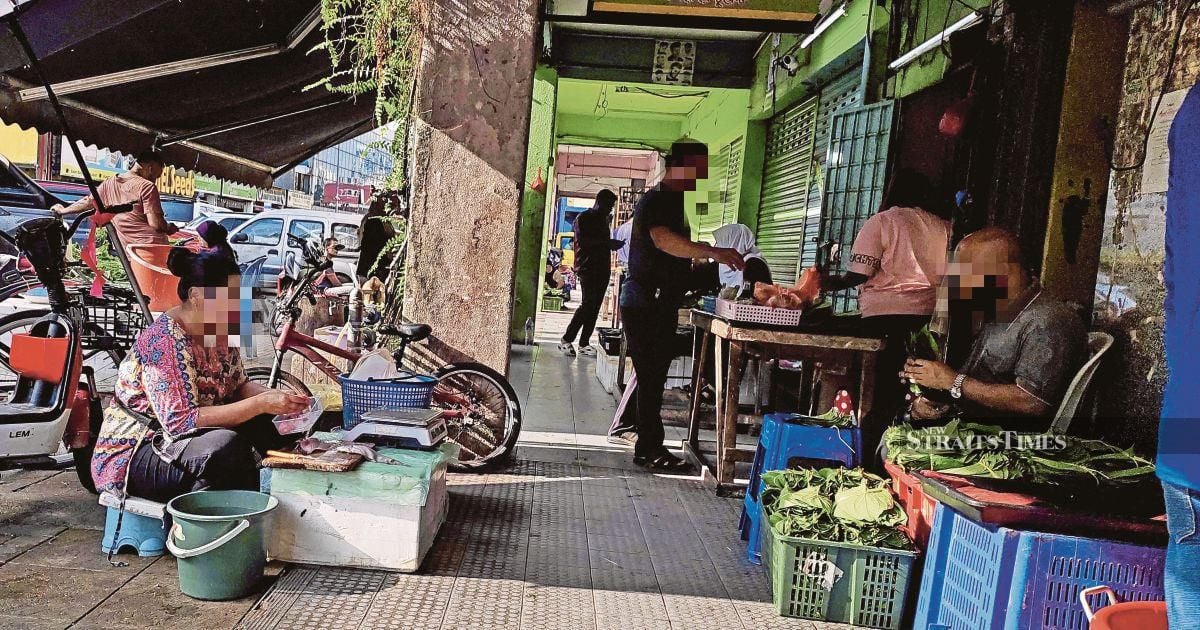
This ambiguous legal status creates genuine policy complications. The government must simultaneously manage border security, public order, and social stability while caring for a population facing precarious living conditions and limited access to formal employment, education, and healthcare services. The tension between these competing demands has generated friction within Malaysian society, where concerns about resource allocation, job competition, and integration challenges resonate particularly among lower-income communities and struggling sectors.
Public discourse has grown increasingly heated as incidents involving Rohingya individuals receive media coverage, sometimes fuelling generalisations about the entire community. Conversely, advocacy groups highlight documented cases of discrimination, labour exploitation, and restricted movement that expose vulnerabilities within the population. This polarised environment makes the government's appeal for balanced perspective strategically significant—such messaging seeks to de-escalate inflammatory rhetoric while signalling that refugee welfare remains a legitimate policy consideration.
The appeal to uphold compassion while respecting legal structures represents an attempt to establish common ground amid ideological differences. Those advocating tighter restrictions on the Rohingya argue that Malaysia already hosts one of the world's largest refugee populations and cannot absorb additional integration costs. Humanitarian advocates counter that international obligations and basic ethical responsibilities demand protection for people fleeing persecution, regardless of formal legal status. The government's framing tries to validate both concerns while discouraging dehumanising language or policy approaches.
For Malaysia's approach to carry credibility internationally and domestically, officials must simultaneously strengthen legal governance structures while visibly protecting the Rohingya from exploitation and violence. This means enforcing regulations that prevent undocumented migration and labour trafficking while ensuring security forces and immigration authorities operate according to established human rights standards. It also requires transparent communication about resource allocation and the specific integration measures being implemented, rather than allowing informational vacuums that fuel speculation and fear.
The Southeast Asian context amplifies these considerations. Thailand, Indonesia, and Bangladesh each host significant Rohingya populations under varying legal and operational frameworks. Coordinated regional responses, if achieved, could distribute humanitarian burdens more equitably and create economies of scale in providing basic services. Malaysia's position as a relatively wealthy, stable nation positions it to model humane refugee policies that other states might emulate, potentially reshaping regional approaches to displaced populations generally.
Domestically, the minister's message addresses concerns within Malaysia's Muslim-majority society, where religious teaching typically emphasises protection of persecuted minorities and vulnerable groups. By anchoring the humanitarian appeal in religious and cultural values familiar to most Malaysians, the government connects refugee protection to broader national identity commitments rather than framing it solely as an international obligation or progressive cause.
Yet translating rhetorical appeals into sustained policy implementation remains the critical challenge. Public compassion tends to erode under economic stress and when community-level impacts seem disproportionate. Without visible improvements in the Rohingya community's circumstances—measurable reductions in trafficking, improved access to education and livelihood opportunities, and prevention of exploitation—calls for humanity risk becoming cynical exercises that satisfy neither advocates nor sceptics.
The government's positioning also reflects international pressure. Malaysia's record on refugee and human rights matters receives scrutiny from international bodies, donor nations, and civil society organisations. How successfully officials balance legal sovereignty with humanitarian standards will shape Malaysia's standing in global forums and its capacity to influence regional refugee and displacement policy-making going forward. The stakes extend beyond the immediate Rohingya population to encompass Myanmar's broader displacement crisis and potential future refugee flows within Southeast Asia as climate change, conflict, and economic instability create additional pressures on vulnerable populations throughout the region.