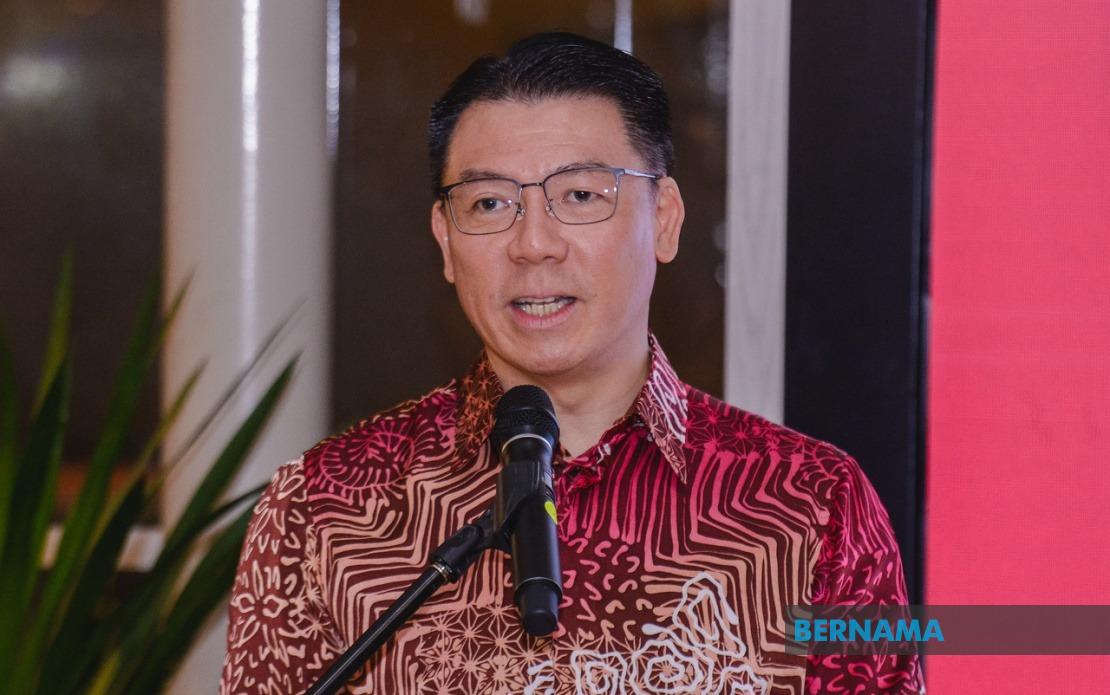
Housing and Local Government Minister Nga Kor Ming has unveiled a significant incentive for homebuyers, revealing that the government will offer a 10 per cent discount on residential purchases during the ASEAN Real Estate Conference (AREC) 2026, scheduled for July 29 to August 1 at the Malaysia International Trade and Exhibition Centre (MITEC) in Kuala Lumpur. This initiative represents a collaborative effort between the ministry and the Real Estate and Housing Developers' Association Malaysia (REHDA) to address mounting affordability challenges facing property seekers across the nation.
The discount programme is specifically designed to lighten the financial load on purchasers when meeting the mandatory 10 per cent down payment stipulated under the Sale and Purchase Agreement framework. For many Malaysians, the deposit requirement represents a substantial barrier to homeownership, particularly in urban markets where property values have escalated significantly. By reducing this initial burden, the government aims to expand access to housing for middle and lower-income households who have struggled to accumulate sufficient savings for conventional deposits.
Prime Minister Datuk Seri Anwar Ibrahim will grace the opening ceremony of the four-day conference, underscoring the government's commitment to revitalising the property sector. The event promises an extensive agenda encompassing industry forums, business-to-business matching sessions, and a comprehensive exhibition anticipated to facilitate approximately RM1.5 billion in property transactions. Such volumes would represent a meaningful injection into the real estate market and could signal renewed investor confidence in Malaysia's housing landscape.
Complementing the purchase discount, the Ministry of Housing and Local Government has launched the Rahmah Cement initiative, a programme designed to mitigate escalating construction expenses that developers face during building phases. Under this scheme, 1.6 million metric tonnes of cement will be distributed to developers constructing affordable housing units. By addressing input cost inflation at the supply side, the government seeks to prevent price increases from being passed to end consumers, thereby maintaining residential affordability across the market.
Nga emphasised that housing affordability remains a cornerstone of the administration's agenda, framing homeownership as both a fundamental aspiration and a practical goal for ordinary Malaysians. The minister articulated this vision through the government's rallying cry of "Rumahku, Syurgaku" (My Home, My Heaven), which encapsulates the belief that quality residential accommodation should be within reach for the broader population rather than remaining an exclusive privilege for wealthy segments. This rhetorical positioning reflects growing public anxiety about housing costs and signals political recognition of the sector's importance to electoral sentiment.
Local property developers achieved notable international recognition recently, with Malaysia clinching the overall championship at the FIABCI World Prix d'Excellence Awards 2026. The nation secured 14 accolades, including eight gold medals and six silver medals across diverse categories. Gold medal recipients included prestigious developments such as Park Regent @ Desa ParkCity for residential high-rise design, The Mansions @ ParkCity Hanoi in the low-rise category, Merdeka 118 for office and sustainable development excellence, Elmina Lakeside Mall in retail specialisation, Sunway Velocity Two in mixed-use development, Gamuda Gardens for master planning, and Diamond Precinct Vietnam in mid-rise residential.
These international accolades demonstrate that Malaysian property developers have evolved from domestic players into globally competitive enterprises capable of executing world-class projects. Since the awards programme commenced in 1992, Malaysian firms have accumulated 135 gold medals, establishing a track record of consistent excellence that reverberates throughout international real estate circles. Such achievements serve to differentiate Malaysia's development sector within the broader Southeast Asian and global property marketplace.
The success of local developers extends beyond trophy collection, with numerous Malaysian firms establishing significant operations across Asia-Pacific and beyond. ParkCity Group has expanded extensively into Vietnam, SP Setia operates substantial portfolios in Australia, OSK Property has strengthened its presence in Melbourne, and EcoWorld has secured footholds in London. These overseas ventures exemplify the capacity of Malaysian enterprises to replicate domestic success internationally, contributing to broader economic diversification and enhancing the nation's brand reputation as a source of property development expertise.
Nga characterised this international expansion as validation of the government's vision to cultivate not merely domestic champions but global contenders capable of competing at the highest levels of international real estate markets. The international standing of Malaysian developers functions as a form of soft power, demonstrating national competence and attracting foreign direct investment into related sectors. Beyond the property industry itself, this success generates confidence among international investors regarding Malaysia's broader business environment and institutional capabilities.
The conference programme includes a significant policy announcement, with Prime Minister Anwar scheduled to launch the National Housing Policy on July 30, the second day of proceedings. This policy framework will likely establish governmental priorities for residential development, affordability targets, and regulatory parameters governing the sector throughout the coming years. The timing of this announcement during AREC 2026 suggests the government intends to leverage the conference's high-profile platform and international audience to communicate its housing vision comprehensively to both domestic stakeholders and the global investment community.
For Malaysian homebuyers and property investors, the convergence of the 10 per cent purchase discount, Rahmah Cement programme, and revitalised policy framework represents a coordinated governmental intervention aimed at reshaping housing market dynamics. The initiatives specifically target affordability barriers while simultaneously signalling confidence in developer capabilities and market fundamentals. Whether these measures prove sufficient to meaningfully shift affordability trajectories will depend on broader factors including interest rate movements, construction cost trends, and overall economic growth trajectories across the region.
The AREC 2026 conference therefore functions as both a celebration of past achievement and an inflection point for future direction within Malaysia's property sector. By combining international recognition of developer excellence with domestic affordability initiatives, the government endeavours to demonstrate that quality housing need not remain unaffordable. The success of this integrated approach will likely influence investor perceptions of Malaysia as a property market and shape residential accessibility outcomes for millions of Malaysians seeking homeownership opportunities.

