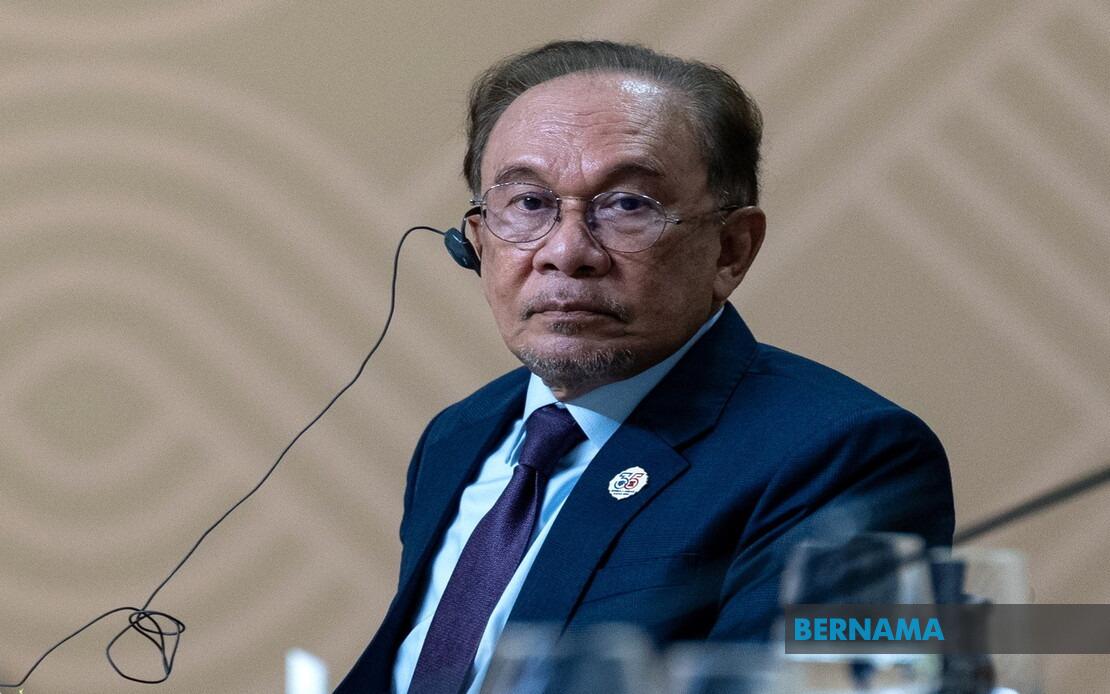
Malaysia's Prime Minister Datuk Seri Anwar Ibrahim has signalled growing confidence that a memorandum of understanding between the United States and Iran could catalyse a broader resolution to the region's protracted tensions and establish sustainable stability across West Asia. The optimistic assessment emerged from his participation in the 35th ASEAN-Russia Commemorative Summit in Kazan, where he fielded questions about the critical diplomatic process unfolding between Washington and Tehran.
An agreement between the two adversaries would represent a significant geopolitical realignment, potentially de-escalating conflicts across the region that have destabilised markets, displaced populations, and drawn in multiple external powers. For Malaysia and Southeast Asia, such a resolution would have immediate ramifications—opening shipping lanes, reducing energy price volatility, and creating space for broader economic engagement with both nations. Anwar's public backing reflects Kuala Lumpur's stakes in regional stability and its diplomatic positioning as a voice for pragmatic conflict resolution.
The Prime Minister's confidence draws substantially from direct engagement with Pakistan's Prime Minister Shehbaz Sharif, who has assumed a central mediating role in the negotiations. According to Anwar, Sharif has maintained intimate involvement throughout the diplomatic timeline and has reported that momentum appears to be shifting positively. This reliance on Pakistan as an interlocutor underscores Islamabad's longstanding relationships with both the United States and Iran, positioning it as a trusted bridge in a process where direct communication has historically been fraught.
The negotiations operate under a compressed timeline, with both parties targeting completion of a final agreement within 60 days. Anwar characterised this window as narrow but surmountable, emphasising that the period demands urgent, focused diplomacy rather than leisurely deliberation. The urgency itself suggests recognition among negotiators that momentum can evaporate quickly in such sensitive affairs, particularly when regional actors and global powers maintain competing interests in West Asia's future trajectory.
During separate discussions with Russian President Vladimir Putin, Anwar encountered comparable optimism about the peace process. Russia's perspective carries weight given Moscow's own strategic interests in the region, particularly regarding energy markets and geopolitical influence. Putin's alignment with Anwar's reading of the negotiations suggests that even powers with divergent global agendas see value in the current diplomatic trajectory.
However, Anwar carefully qualified his optimism by acknowledging the Trump administration's unpredictability. The incoming or current US leadership introduces variables that complicate long-term forecasting about diplomatic outcomes. Previous American approaches to Iran have swung dramatically between engagement and maximum pressure, and political transitions can fundamentally alter negotiating positions and red lines. This caveat reflects pragmatic diplomatic experience—enthusiasm must be tempered by awareness of how US domestic political dynamics can reshape foreign policy priorities.
The potential agreement carries implications extending far beyond bilateral US-Iran relations. Tensions between these two powers have ripple effects across the Gulf, the Levant, and the broader Indian Ocean region where Southeast Asian nations maintain substantial economic and security interests. Maritime trade, energy supplies, and freedom of navigation all depend partly on reducing the military posturing and proxy conflicts that punctuate US-Iran competition.
Malaysia's public positioning as a supporter of peace talks reflects its broader foreign policy orientation toward multilateralism and conflict resolution through dialogue. This stance differentiates Kuala Lumpur from some regional actors who have aligned closely with either Western or Iranian blocs. By emphasising the importance of the negotiations and signalling cautious optimism, Malaysia attempts to position itself as a constructive voice in regional affairs while maintaining working relationships across the ideological and geopolitical spectrum.
The 60-day deadline creates a natural inflection point for reassessing progress. Should negotiations stall or collapse within this window, regional dynamics could shift sharply, potentially triggering renewed military tensions or accelerated weapons proliferation among Gulf states seeking security assurances. Conversely, successful conclusion of an agreement could unlock investments, regional dialogue mechanisms, and opportunities for Southeast Asian economies to expand engagement with both the US and Iran simultaneously.
Anwar's intervention in publicly supporting the peace process also signals Malaysia's willingness to use whatever diplomatic capital it possesses toward promoting stability. This approach aligns with ASEAN's emphasis on non-interference and peaceful resolution of disputes, principles that Malaysia champions in forums ranging from the ASEAN Regional Forum to the East Asia Summit. By backing the negotiations, Anwar implicitly argues that West Asian stability serves Southeast Asian interests.
The emphasis on first-hand information from Pakistan and Russia demonstrates how diplomatic networks function beyond formal state-to-state channels. Regional leaders maintain extensive personal relationships and informal communication mechanisms that often prove more effective than official pronouncements. Anwar's reliance on these networks reflects both his experience as a long-serving minister and Malaysia's accumulated diplomatic relationships across the Muslim world and beyond.
Looking ahead, the 60-day window will test whether the current momentum can withstand inevitable complications. Implementation mechanisms, verification procedures, and the integration of any agreement into broader regional security arrangements remain unresolved. For Malaysian observers and policymakers, the next two months represent a critical period that could reshape the strategic environment affecting trade routes, energy supplies, and the balance of power that influences Southeast Asian security considerations.