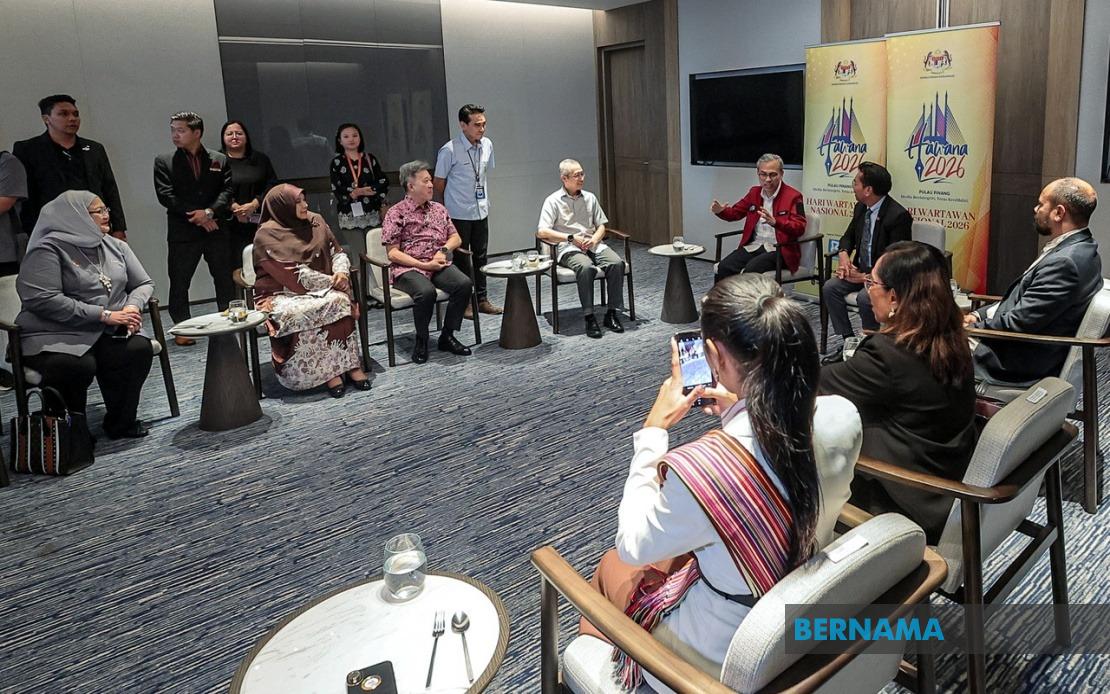
Communications Minister Datuk Fahmi Fadzil has signalled Malaysia's commitment to deepening bilateral media cooperation with Timor-Leste, outlining plans to forge stronger institutional partnerships between the two nations' broadcasting and news operations. The overture emerged during a meeting in Butterworth on June 20 between Fahmi and Timor-Leste's Secretary of State for Social Communication, Expedito Loro Dias Ximenes, alongside senior figures from the East Timorese national news agency Agencia Noticiosa de Timor-Leste (TATOLI).
The proposed framework for enhanced collaboration encompasses Malaysia's principal media institutions. Fahmi indicated that Bernama, the Malaysian National News Agency, and Radio Televisyen Malaysia (RTM) would serve as the primary vehicles for expanded engagement with their counterparts in Timor-Leste. The minister articulated his vision for reciprocal institutional development, emphasising the mutual benefit of closer coordination between these established news organisations that operate across the region.
A particularly significant component of the proposed arrangement involves capacity building in the media sector. Fahmi has suggested that the Tun Abdul Razak Broadcasting and Information Institute (IPPTAR) would host professional training sessions tailored for Timorese journalists. Such an initiative carries considerable weight given Malaysia's longer institutional experience in modern broadcasting and journalism, and could contribute meaningfully to developing Timor-Leste's media infrastructure as the young nation continues building democratic institutions.
The bilateral engagement also addressed a matter of increasing diplomatic significance in Southeast Asia: the standing of both nations within international press freedom assessments. During their discussions, Fahmi and Ximenes exchanged perspectives on how their respective countries perform on the World Press Freedom Index compiled annually by Reporters Without Borders (RSF). The conversation proved revealing about regional trajectories in media governance, with Timor-Leste achieving the highest ranking across Southeast Asia, placing 30th globally among 180 countries surveyed, whilst Malaysia ranks second in the region.
For Malaysia, the comparative assessment appears to underscore both progress and remaining challenges. Fahmi acknowledged that his government has achieved measurable improvements in the index over the preceding three to four years since the MADANI administration assumed office, reversing what he characterised as a decline under previous administrations. Nevertheless, he conceded frankly that Malaysia possesses considerable scope for further advancement, indicating the government views enhanced policies and initiatives as necessary steps toward climbing higher within the RSF rankings.
This candid acknowledgment of Malaysia's press freedom performance reflects broader regional context. Timor-Leste's superior ranking, achieved despite the nation's relative youth and institutional limitations, suggests that press freedom improvements are achievable through deliberate policy choices rather than fixed structural constraints. Malaysia, as a more established democracy with substantially greater resources and institutional capacity, faces particular scrutiny regarding why its press freedom standing lags behind a smaller neighbour still consolidating democratic practices.
The timing of this bilateral engagement carries significance within the broader context of media development across Southeast Asia. Both nations are grappling with contemporary challenges to journalistic integrity, including misinformation, changing news consumption patterns, and the relationship between government communication and editorial independence. By establishing closer institutional connections, Malaysia and Timor-Leste may facilitate peer learning on navigating these shared challenges whilst addressing specific national contexts.
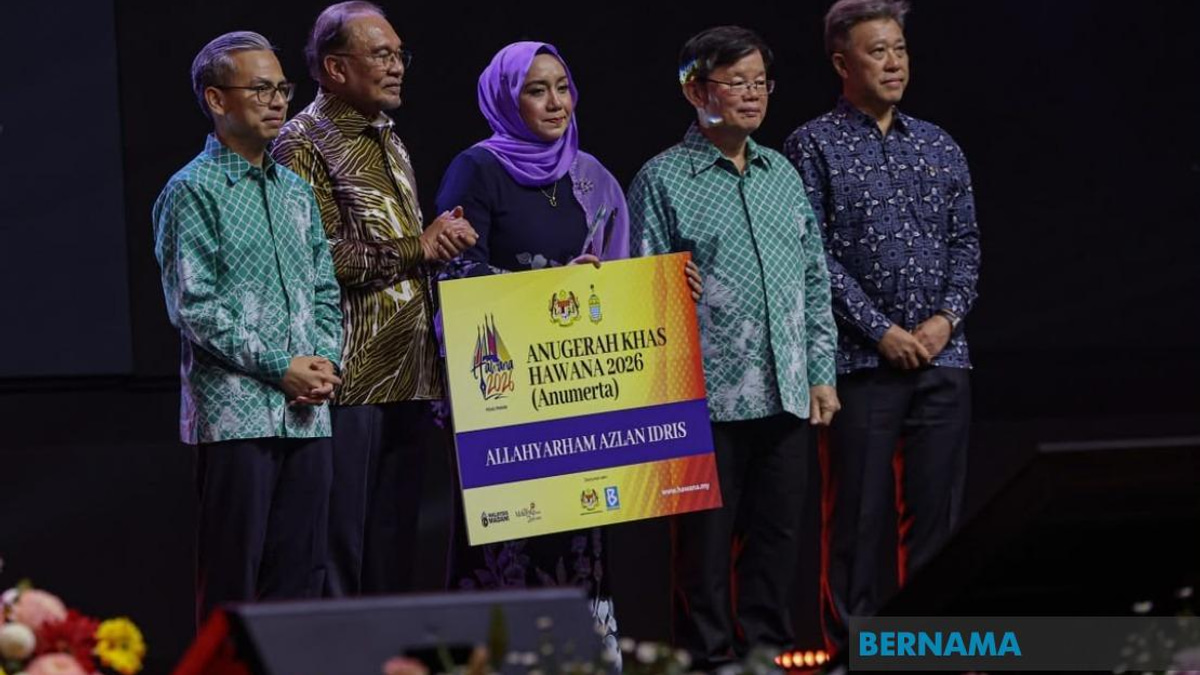
The ministerial meeting occurred during the HAWANA 2026 main conference, a gathering of approximately 1,000 media practitioners from Malaysia and abroad. Held at the PICCA Convention Centre in Butterworth, this sixth edition of the regional media forum proceeded under the thematic banner 'Media Integrity Strengthens Credibility', with Prime Minister Datuk Seri Anwar Ibrahim scheduled to deliver the official opening address. The conference setting provided both practical context for Malaysia's media cooperation initiatives and symbolic reinforcement of the government's commitment to media sector development.
The delegation from Timor-Leste was led by Expedito Loro Dias Ximenes, accompanied by Noemio Mateus Soares Falcao, president of TATOLI, and Madalena DE JCP Carlos, the agency's deputy president. This high-level composition underscores Timor-Leste's seriousness regarding the bilateral engagement and the institutional weight being assigned to strengthened media cooperation within East Timorese government circles.
On the Malaysian side, the ministerial engagement involved substantial institutional representation. Communications Ministry secretary-general Datuk Abdul Halim Hamzah, deputy secretary-general Datuk Bahria Mohd Tamil, Bernama chairman Datuk Seri Wong Chun Wai, Bernama chief executive officer Datin Paduka Nur-ul Afida Kamaludin, Broadcasting director-general Ashwad Ismail, and Bernama editor-in-chief Arul Rajoo Durar Raj all participated, demonstrating that the initiative commanded serious attention within Malaysia's media governance apparatus.
The prospect of enhanced Malaysia-Timor-Leste media cooperation carries implications extending beyond bilateral relations. Strengthened professional networks between news organisations could contribute to more rigorous journalism across the region, facilitating better coverage of transnational issues affecting Southeast Asia. Additionally, structured knowledge-sharing about press freedom improvement strategies might benefit other nations in the region pursuing similar objectives. The framework being established could become a model for how established media systems support developing counterparts whilst maintaining editorial independence and professional standards.
Fahmi's articulation of Malaysia's commitment to improving its international press freedom standing, coupled with practical steps toward bilateral cooperation, suggests the MADANI Government views media development not merely as domestic governance issue but as component of regional diplomatic engagement. By positioning Malaysia as willing participant in professional exchanges and institutional support for neighbouring nations' media sectors, the government advances a conception of regional cooperation extending beyond traditional trade and security frameworks into the crucial realm of information governance and democratic institution-building.